Introducing the Rick Love Peace Award
“Let us consider how we may spur one another on toward love and good deeds.”
- Hebrews 10:24
To honor the legacy of our co-founder Rick Love, who passed away one year ago, and to spur others on toward love and good deeds, we are establishing the Rick Love Peace Award to be presented in 2021. This award will honor those who creatively cross divides to build peace, exhibiting the same character and courage displayed by Rick. We envision multiple $1000 awards to encourage and empower community peacebuilders. Procedures for nominations will be announced in the coming months, but in the meantime you can make a year-end gift to sponsor this project and carry on Rick's legacy.
Check out our Giving Catalog for this and other projects in the works for 2021.
THANKS TO A MATCHING GRANT, ALL GIFTS THIS MONTH WILL BE DOUBLED UP TO $5,000.
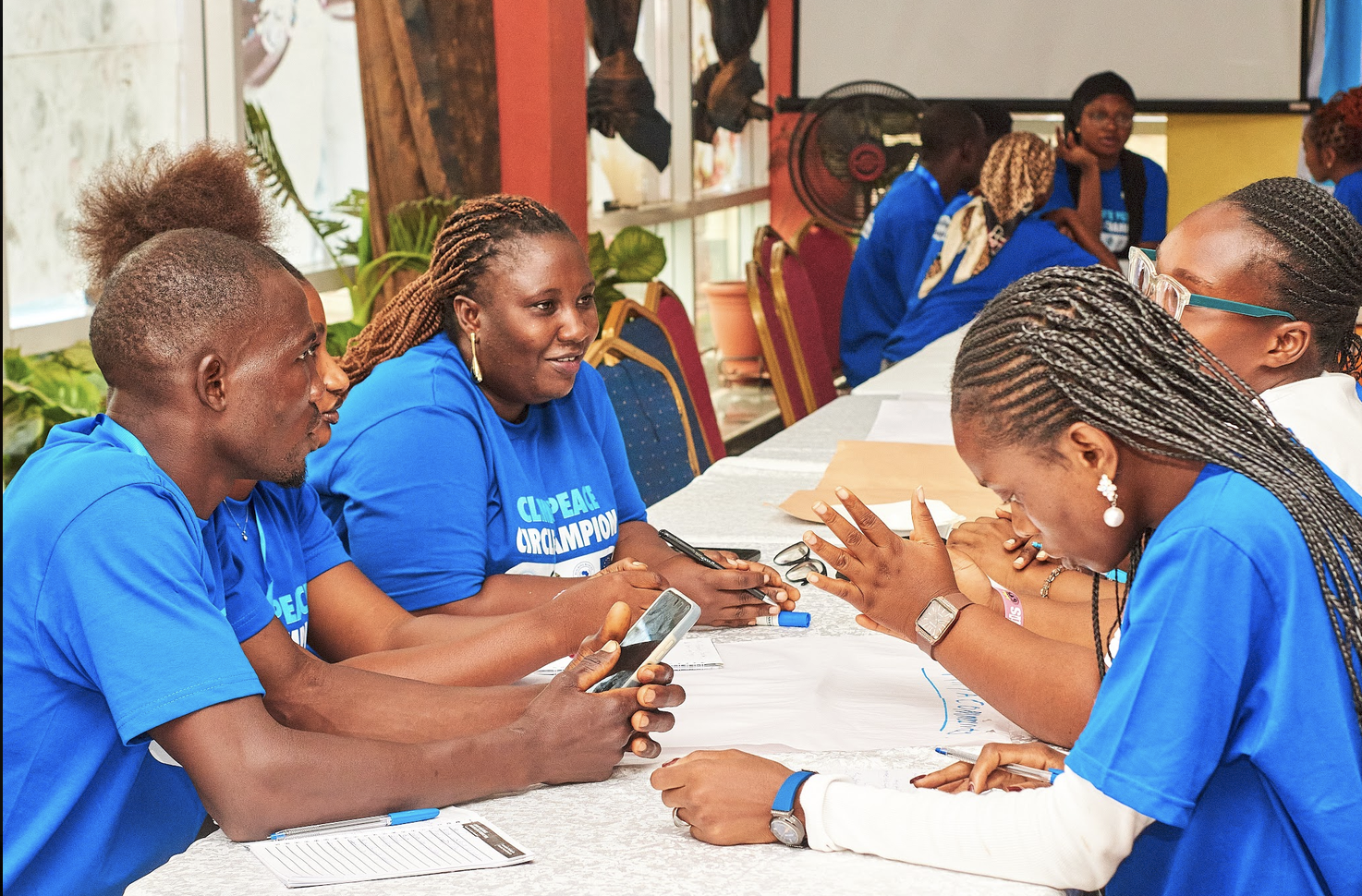
Climate change is increasingly experienced through its effects on livelihoods, access to resources, infrastructure, health, social relationships, and human security. Yet discussions around Climate, Peace and Security can often remain at the level of policy institutions and technical experts. The Climate Peace Circle (CPC) approach starts from a different premise: communities themselves have important knowledge about the risks they experience and should have meaningful opportunities to participate in understanding, discussing and responding to them.

While countries resist welcoming immigrants, going so far as establishing detention centers and deporting people to other locations, biblical teachings show Christians must oppose such harsh policies.

Wendell Berry died this week, and I find myself returning again to one of his poems I have loved for years, The Peace of Wild Things. The wild things can return us to a different rhythm, a peace that does not require us to deny what is happening around us. Perhaps they remind us that stillness itself can be a form of resistance to a world determined to keep us anxious, reactive, distracted, and afraid.
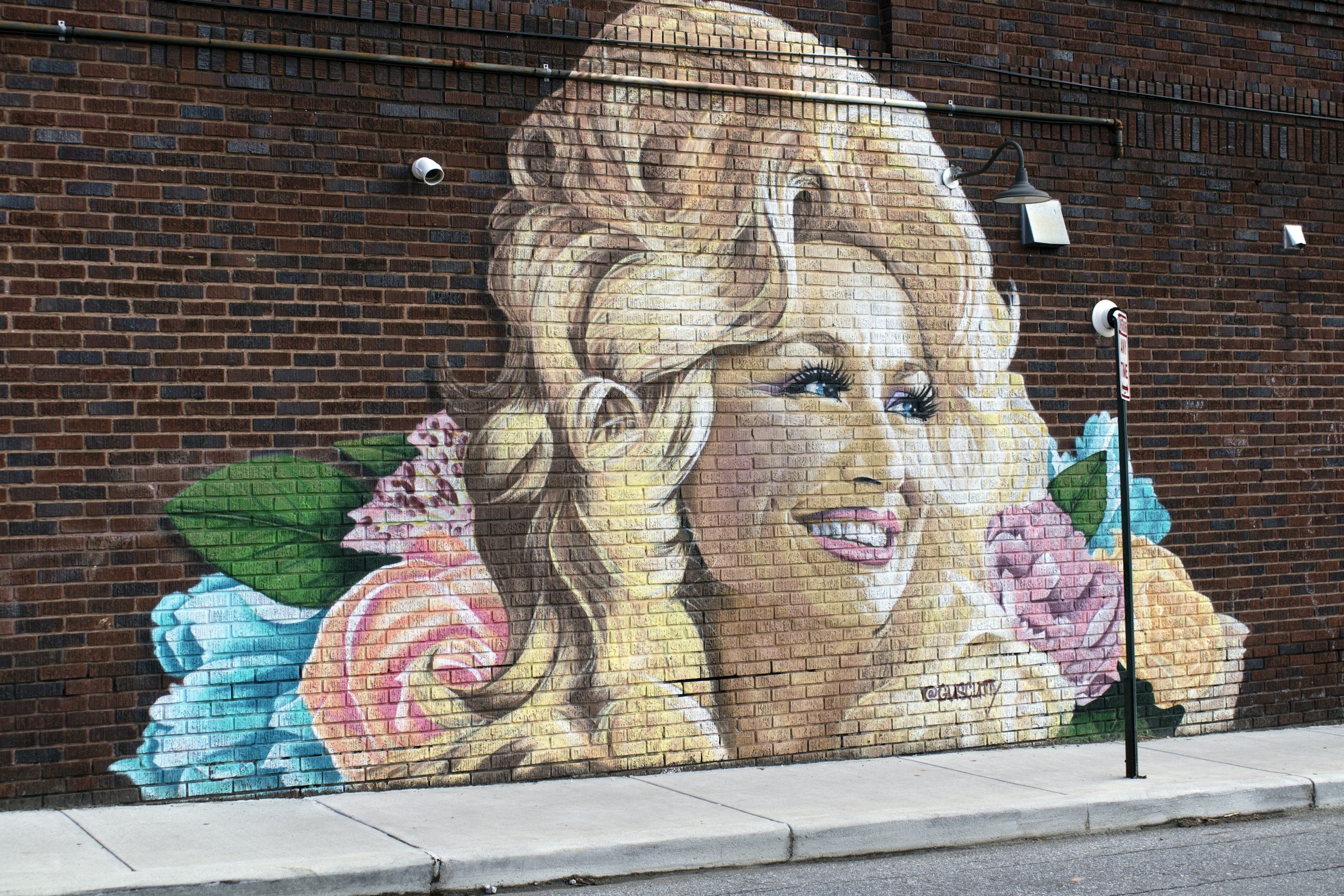
The lives we live and the legacies we leave behind. Reflections on the passing of Dolly Parton, Tim Curry, and Ratko Mladić.
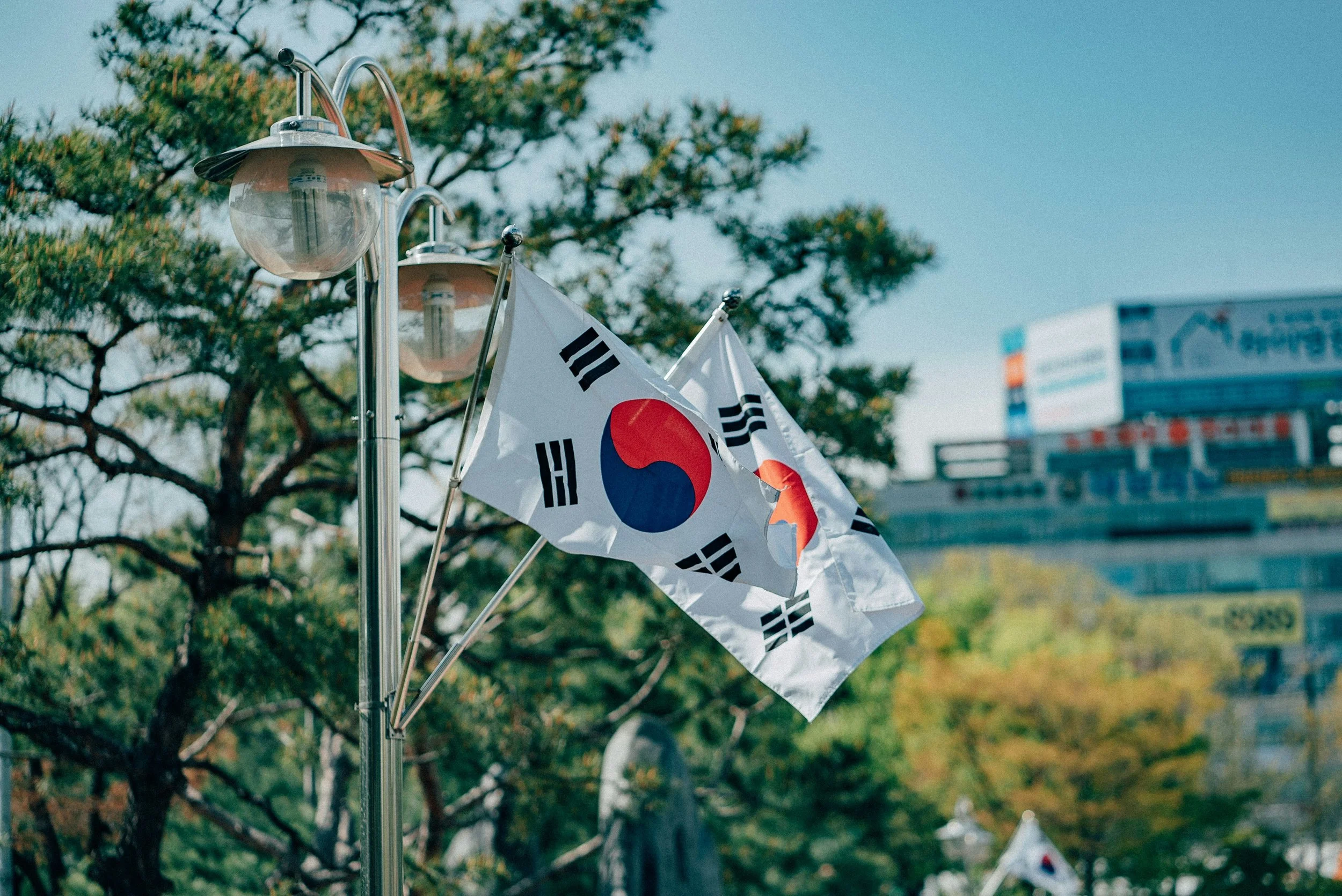
On Sunday, August 16th, US President Donald Trump announced that he had ordered the Department of War to reduce the joint military exercises (between the US and South Korean militaries) on the Korean Peninsula. I’d like to give some nuance to this situation, because whatever Trump’s motives, this public statement creates a small window of opportunity to open peace talks to end the Korean War.
Few words in the Christian vocabulary have been more distorted, weaponized, or misunderstood than “forgiveness.” In many church and societal contexts, forgiveness is asked from those who have been harmed—often quickly, publicly, and in ways that protect the comfort of the powerful and keep the oppressed in place. We need a liberative, trauma-informed, and biblical reimagining of forgiveness—one that centers survivors, breaks cycles of harm, and refuses to be co-opted by oppressive systems. Here’s what we think that looks like.
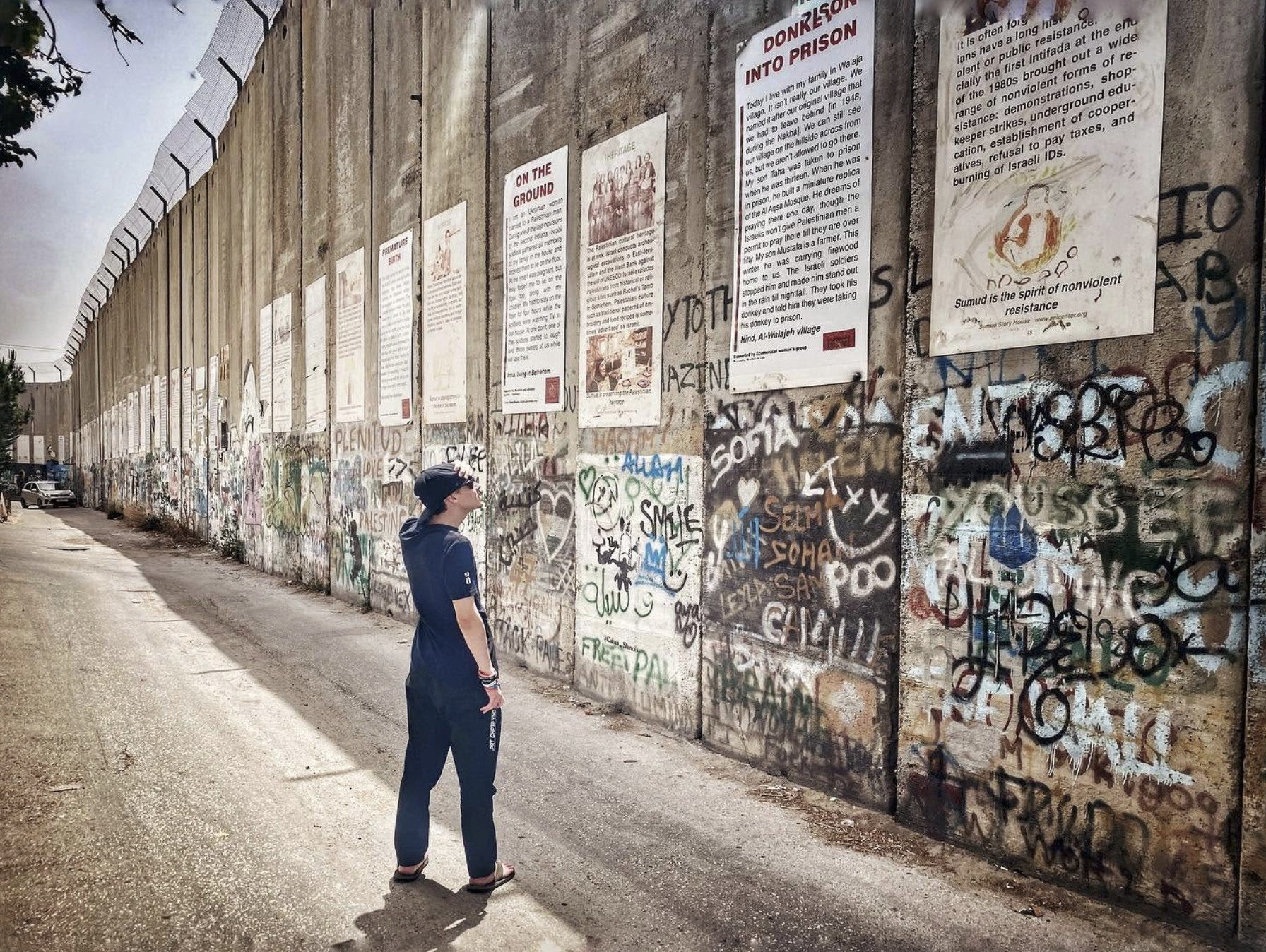
Not too long ago, I had the opportunity to go on a “Holy Land Pilgrimage.” This short trip, my first time in this so-called Holy Land, forever changed the way I read Scripture. I believe it was Saint Jerome in the early 5th century who first referred to this experience as reading the fifth gospel, a term I have heard repeated by many. But I also discovered what I might call a “sixth gospel.”
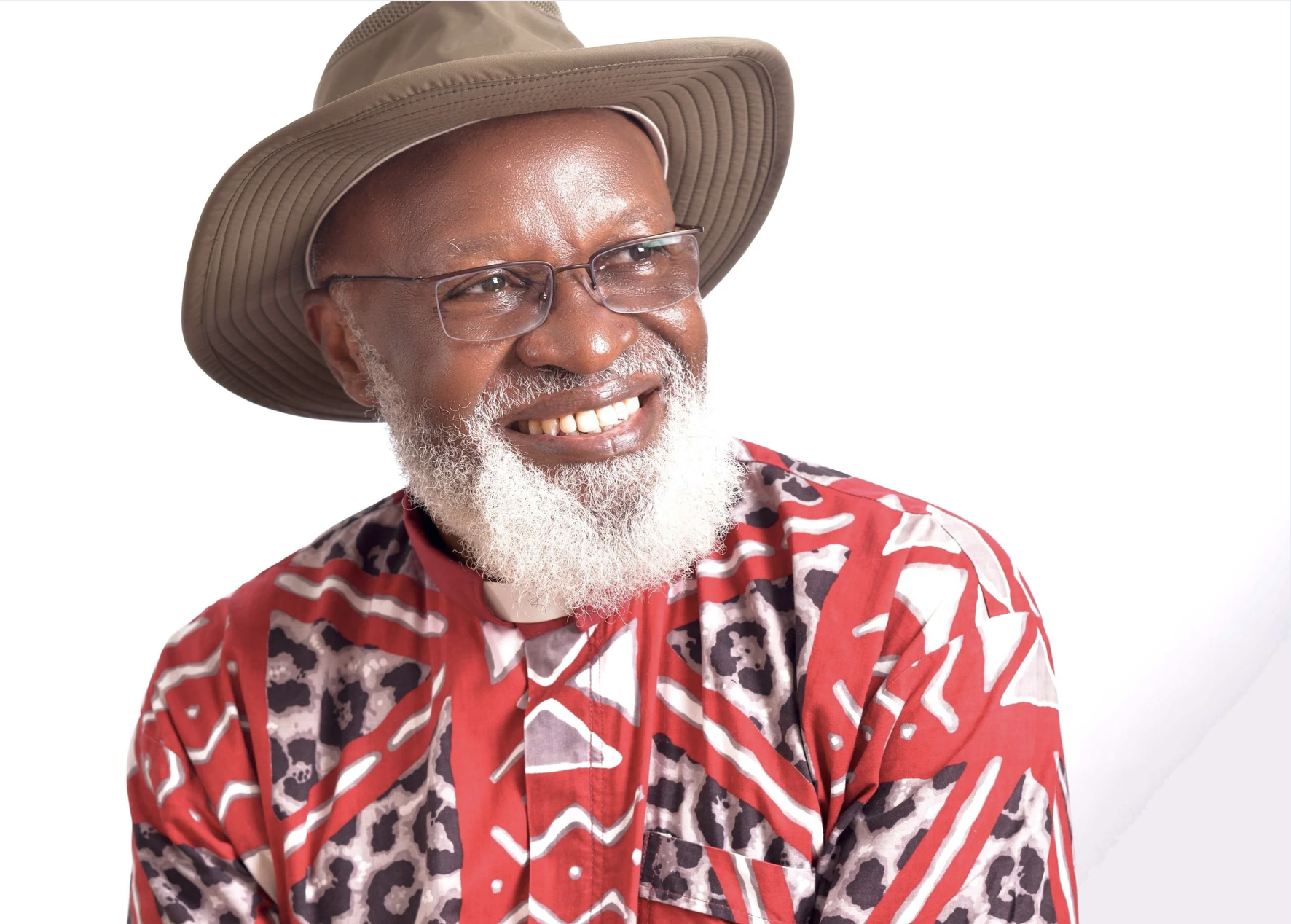
The following is a reflection by Bryan Carey, building on a conversation with Bishop Zac Niringiye. Bishop Zac is a Ugandan theologian and retired Anglican bishop whose decades of ministry, theological leadership, and public advocacy have made him a respected global voice on faith, justice, and the church’s public witness. His work challenges the church to embody the gospel through justice, humility, and solidarity rather than power and control.
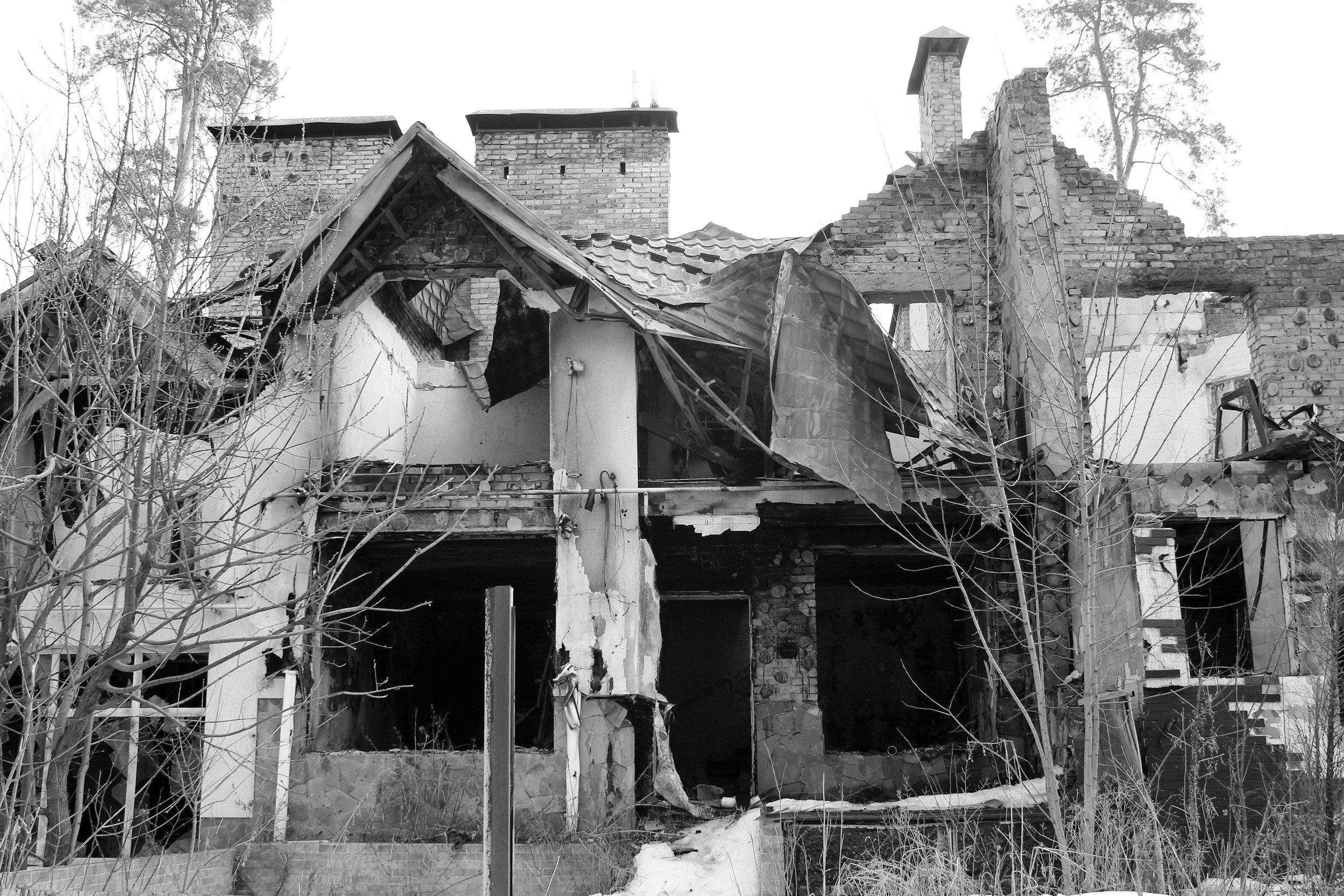
Uganda is in crisis, and the world needs to pay attention. In this blog, an East African researcher and friend of Peace Catalyst discusses Uganda’s situation and what democracies around the world must learn from Uganda before it’s too late.
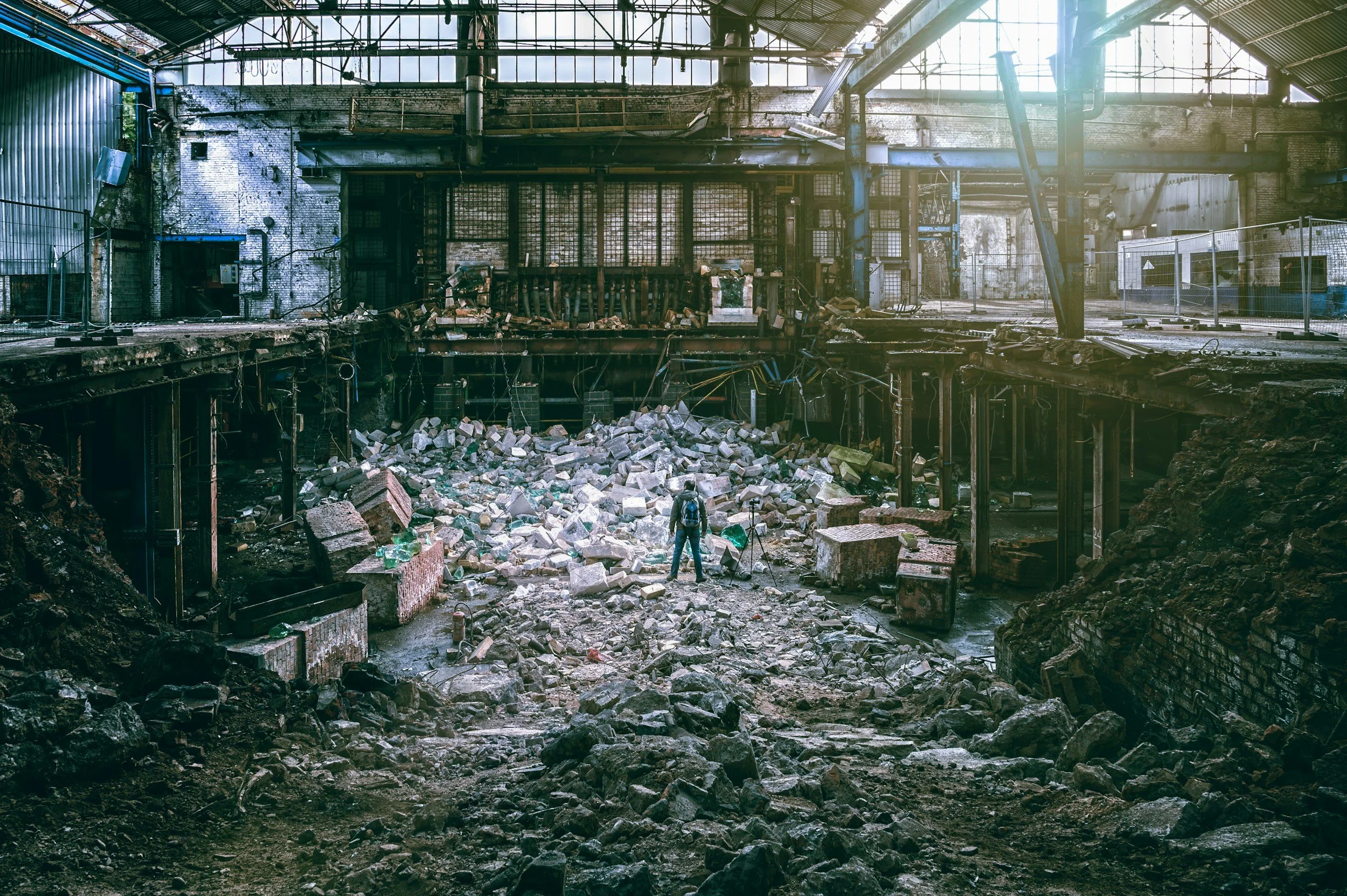
Over the years, I have heard a lot of talk about people deconstructing their faith, and my wife Lucy and I have helped people on their own journeys. Here, I want to focus a bit on my own faith journey and the process I’ve gone through, which I believe has involved three phases of deconstruction.