

cultivating solidarity at the site of struggle
Peace Catalyst International is proud to have Iziko Lamaqabane as an official peacebuilding partner. Iziko Lamaqabane is a South African organization committed to racial and systemic justice, decolonization, and inclusive community development.
Why This Partnership Matters
Peace Catalyst International partners with Iziko Lamaqabane (or “Iziko”) because of a strong alignment in vision, theology, and practice. Both organizations are committed to peacebuilding that confronts systemic injustice, challenges colonial legacies, and cultivates faith expressed through liberative solidarity.
Iziko brings profound contextual wisdom from South Africa, rooted in Black liberation theology, Anabaptist heritage, and accompaniment at the site of struggle.
Peace Catalyst brings a global network of peacebuilders and a platform for cross-contextual learning and solidarity across communities shaped by violence and inequality.
Together, we seek to amplify marginalized voices, equip faith communities for justice-centered peacemaking, and foster relationships that move beyond charity toward mutual transformation.
Peace Catalyst serves as a U.S.-based solidarity partner, helping connect supporters to Iziko’s work while honoring their leadership, autonomy, and local vision.


Iziko’s Approach to Peacebuilding
“Iziko Lamaqabane" means “the gathering space of comradeship.”
As a faith informed support centre for peace and justice practitioners, it is Iziko’s conviction that the more we can walk together, sharing stories, friendship and knowledge, the more our wisdom, longevity, and capacity to disrupt violence and oppression will grow.
Iziko’s practices emerge from this desire to serve practitioners by exchanging and practicing ‘Four R’s’: RESEARCH, RESOURCE, REMEMBER, AND RETREAT.
The practice of thinking has often been denied to Black people. As such, Iziko’s posture is to explore new ways of knowing and being within Black communities and to resurface historically maligned knowledge and experiences. The goal of this is to position blackness and black lived-experience as a space from which learning and thinking for the work of healing colonial wounds can be drawn.
Iziko seeks to walk alongside practitioners through the curation and facilitation of an ever-expanding inventory of knowledge expressed across a range of disciplines (writing, storying, music, art, poetry, audio archiving, etc). Iziko has already established a Peace Library in conjunction with St. Augustine College of South Africa and will soon be establishing the ‘Iziko Journal,’ a peace and justice theological journal which will publish work researched by participants and scholars working with and alongside Iziko.
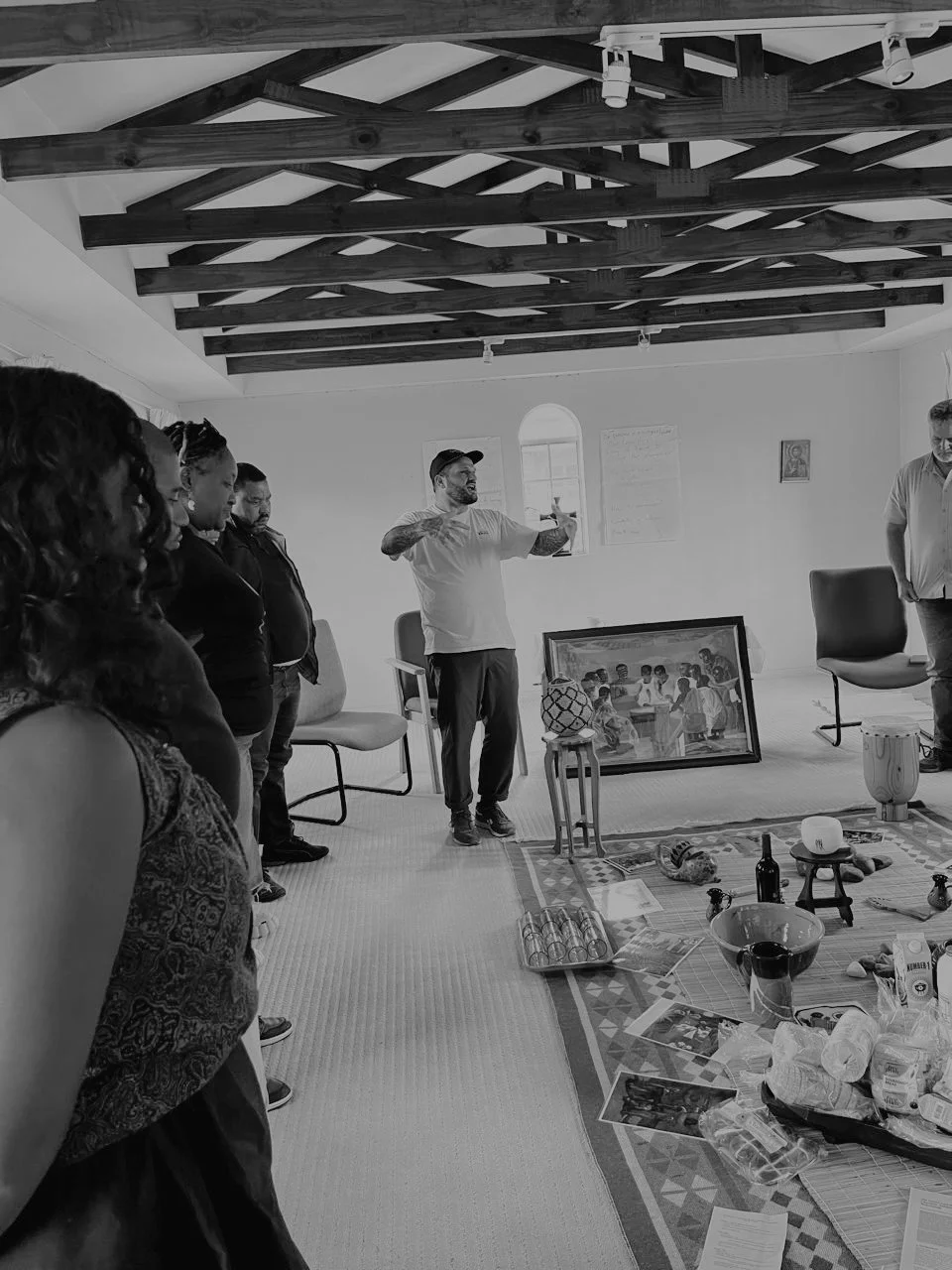
The practice of retreat enables weary practitioners to rest, unlearn urgency, and explore the contemplative practices of silence, prayer, and meditation; to literally retreat from the front lines of sites of struggle and be unburdened. Iziko recognizes the dehumanizing demands our societies often place upon our bodies, namely the ways in which labour practices exploit and reduce people to surplus value. Thus, Iziko sees retreat as an act of resistance against oppression.
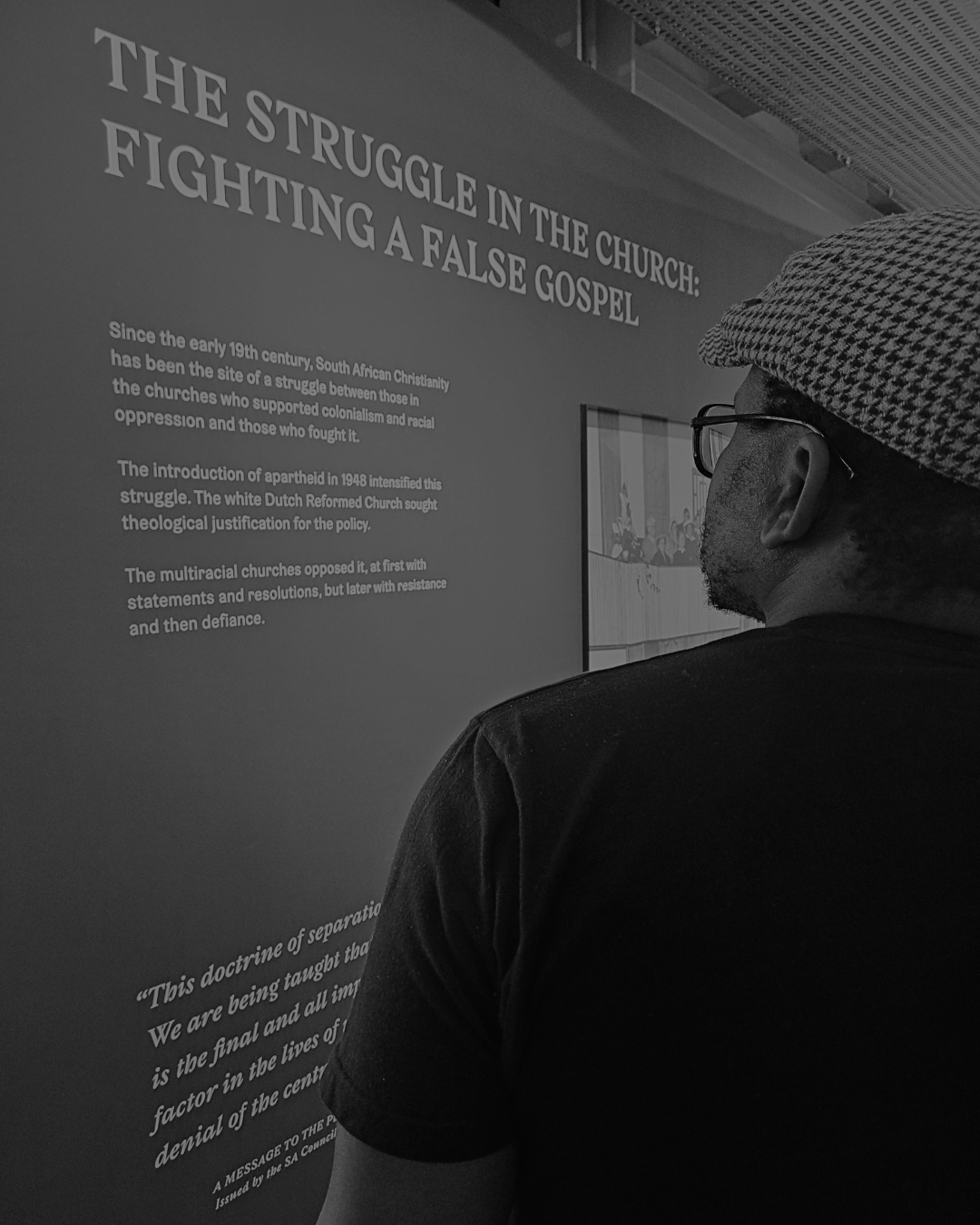
The practice of remembering does not only signify memory or remembrance but is also an invitation to be part of the Body of Christ. Remembering is an ongoing reflective and negotiated process of healing justice, and it is a practice that also recognizes that we are a forgetful people and that we ought to be intentional in narrating the complexity and meaning of truth to advance God’s vision of shalom.
The Iziko Team
-
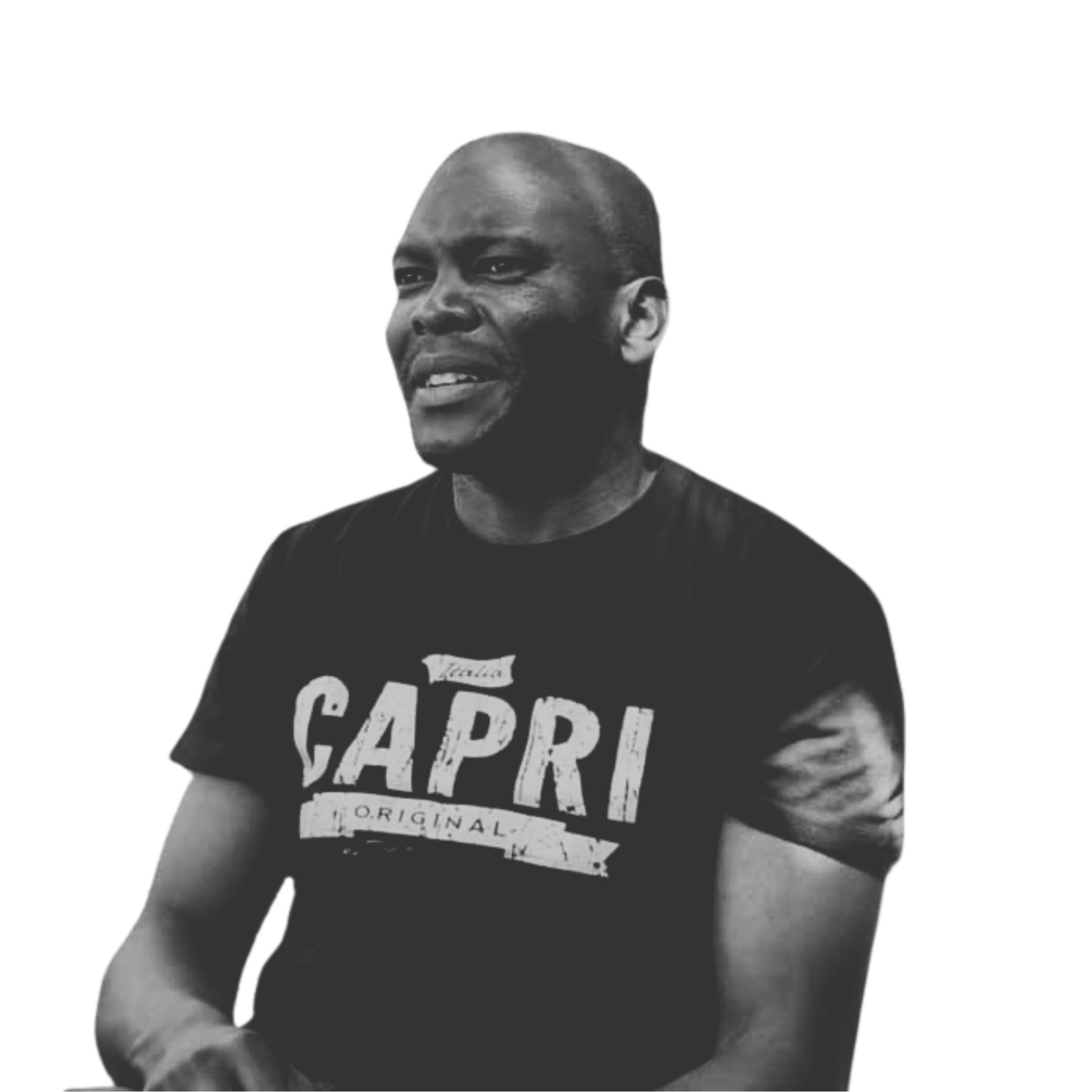
Mziwandile (Mzi) Nkutha is Director of Iziko Lamaqabane. Mzi grew up in Soweto and still carries significant Kasi (township) culture with him. Township life is an ongoing hybrid and croele (re)production of the political and cultural expression of creolization. It is a gift that assists him to both understand our world but more so, to contribute to the making and reshaping of the world. His social interests includes learning from different cultural experiences, including the love of(Afro)jazz, good food, and good African coffees. He lives in Alberton, south of Johannesburg, with his spouse, Lydia Nani Nkutha and daughter, Uluthando Nkutha.

-
Nkosi Gola is an activist and community organiser fascinated with and closely studying the Black church’s expression of justice. He is particularly interested in how this institution, the church, serves as a hub of black resistance, both covertly and overtly.
Nkosi is working at Iziko Lamaqabane as Director of Urban African Solidarity, Black Church, Black Theology Engagement, and Programs Manager.

-
Buyisiwe Putu is a Black South African accountant by profession and founder of Iziko Lamaqabane, where she serves as Director of Afro Feminist-Womanist Solidarity and Operations Manager. Her work bridges financial expertise, theological reflection, and grassroots organising to advance justice-centred community development.
Working at the intersection of faith, land, gender, and economic dignity, she collaborates with women in township and rural contexts to strengthen agriculture-for-liberation initiatives, leadership formation, and sustainable livelihoods. She intentionally connects grassroots women's lived knowledge with academic and theological discourse, ensuring that community wisdom informs institutional practice.
She is currently pursuing further academic formation in theological ethics, deepening her engagement with questions of justice, dignity, and faith-rooted social transformation. Her leadership integrates financial accountability, contextual theology, and African feminist praxis to ensure that development initiatives are economically sound, strategically managed, and socially transformative.
Through Iziko Lamaqabane’s partnership with PCI Peace Catalyst International, she seeks to expand sustainable funding pathways that strengthen grassroots women’s networks and deepen peacebuilding grounded in solidarity and long-term impact.

-
Steve Schallert is a peacebuilder, organiser, educator and practitioner of Kingian-Nonviolent Conflict Transformation living and practicing in Cape Town, South Africa. He serves as the Director of International Solidarity with Iziko Lamaqabane.
Mentored by the Catholic Worker Movement and Plowshares tradition, for the past two decades Steve has helped develop and facilitate dozens of conflict transformation schools and projects in diverse conflict and post-conflict contexts such as Afghanistan, Egypt, Pakistan, Lebanon, and South Africa. His current passions centre on supporting and developing young peace and justice practitioners who are engaged in healing the walls of hostility within their communities.

Programs of Solidarity
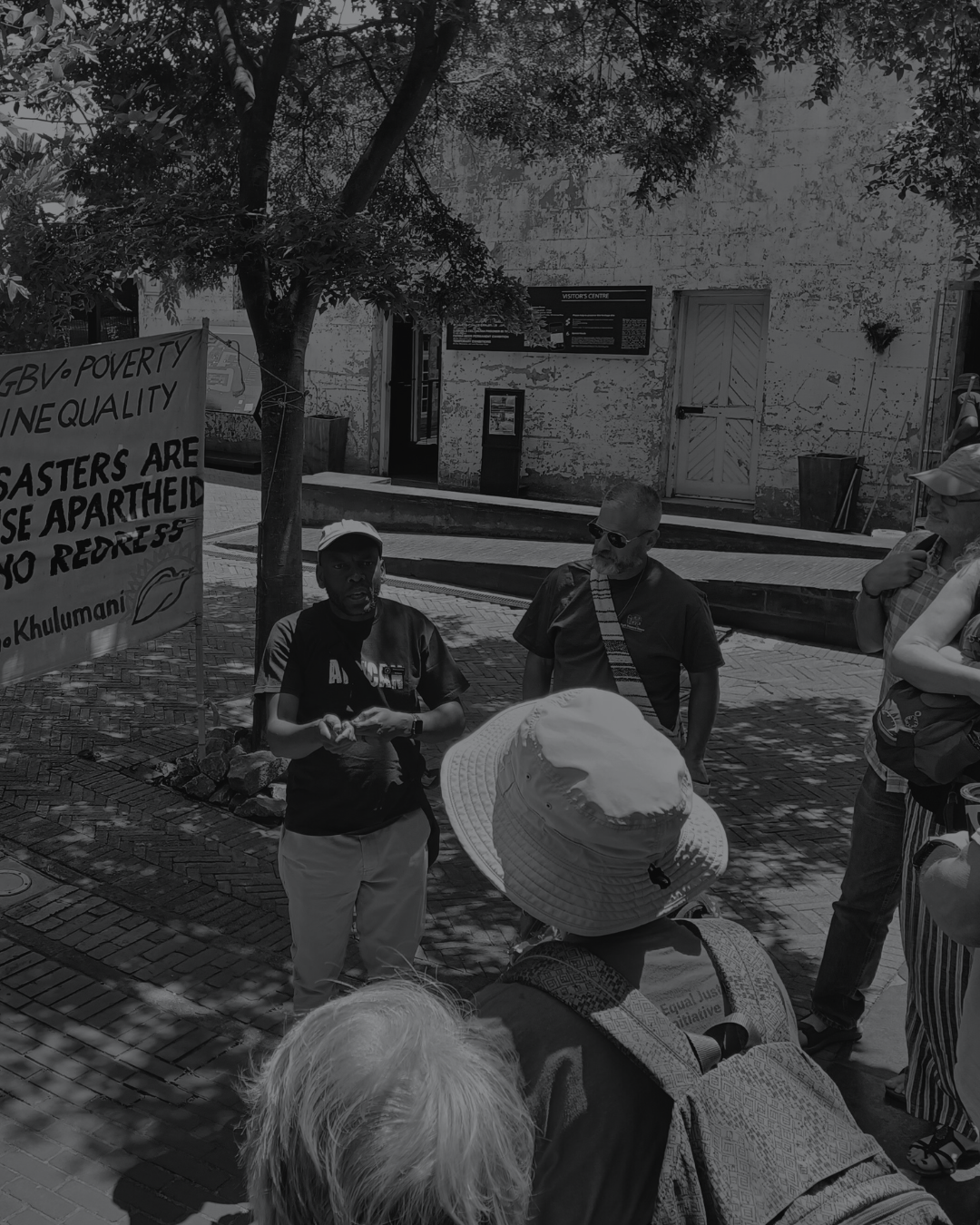
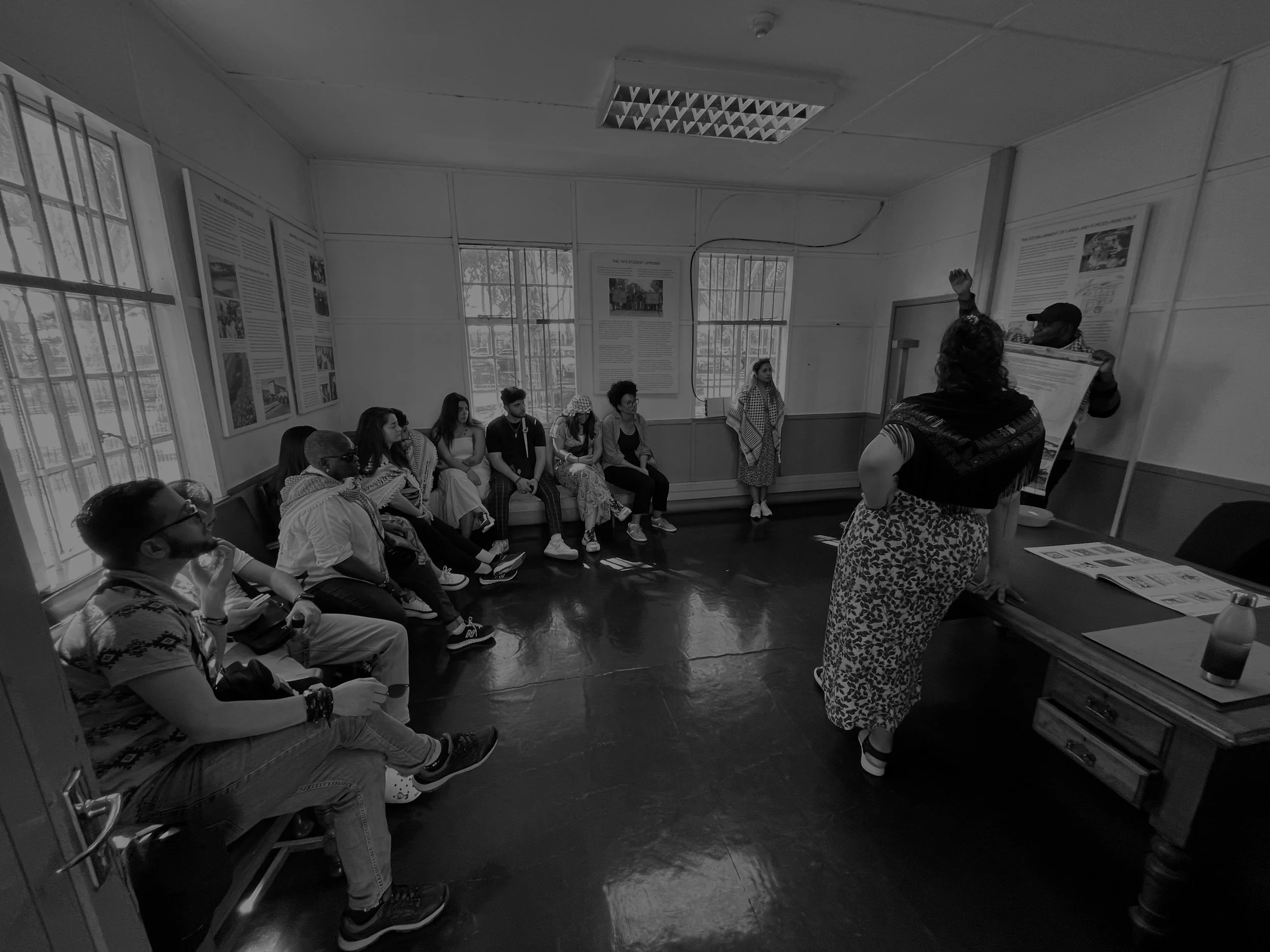
Iziko Lamaqabane cultivates relational solidarity among peace and justice practitioners through pilgrimages, retreats, online networks, and thematic gatherings. Each program creates space for accompaniment, critical reflection, spiritual grounding, and collective learning at the site of struggle — strengthening the wisdom, resilience, and capacity of those working for justice across South Africa and beyond.
Support Iziko
Your gift will support Iziko’s work to heal colonial wounds, disrupt systemic violence, and cultivate faith formed by and expressed in liberative praxis. You’ll help Iziko’s team to work in relational solidarity with urban peace and justice practitioners throughout Africa and serve those active at the site of struggle by facilitating spaces of retreat, exchange and collective learning.
(Peace Catalyst International serves as a U.S.-based solidarity partner. Donations made through this page are designated for Iziko’s programs and transferred in alignment with our partnership agreements and financial accountability standards. PCI provides administrative infrastructure while honoring Iziko’s leadership and local vision.)