The following is a highlight about a recent climate, peace, and security training via Peace Catalyst’s partner PEPNET, the Peace Education and Practice Network, headquartered in Abuja, Nigeria and co-founded by PCI Team Member Moses Abolade.
Bringing climate, peace and security into community dialogue
Climate change is increasingly experienced through its effects on livelihoods, access to resources, infrastructure, health, social relationships, and human security. Yet discussions around Climate, Peace and Security can often remain at the level of policy institutions and technical experts. The Climate Peace Circle (CPC) approach starts from a different premise: communities themselves have important knowledge about the risks they experience and should have meaningful opportunities to participate in understanding, discussing and responding to them.
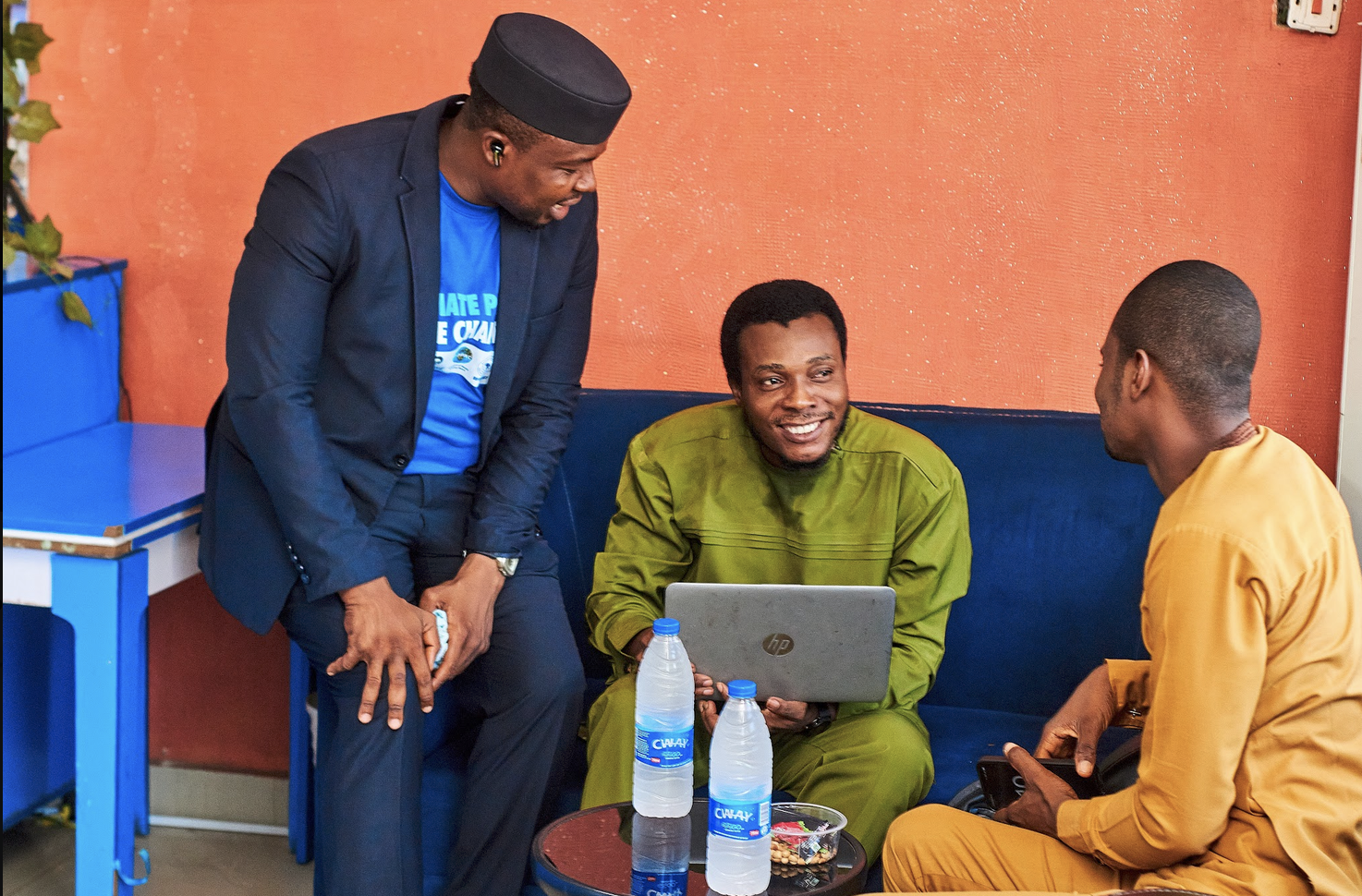
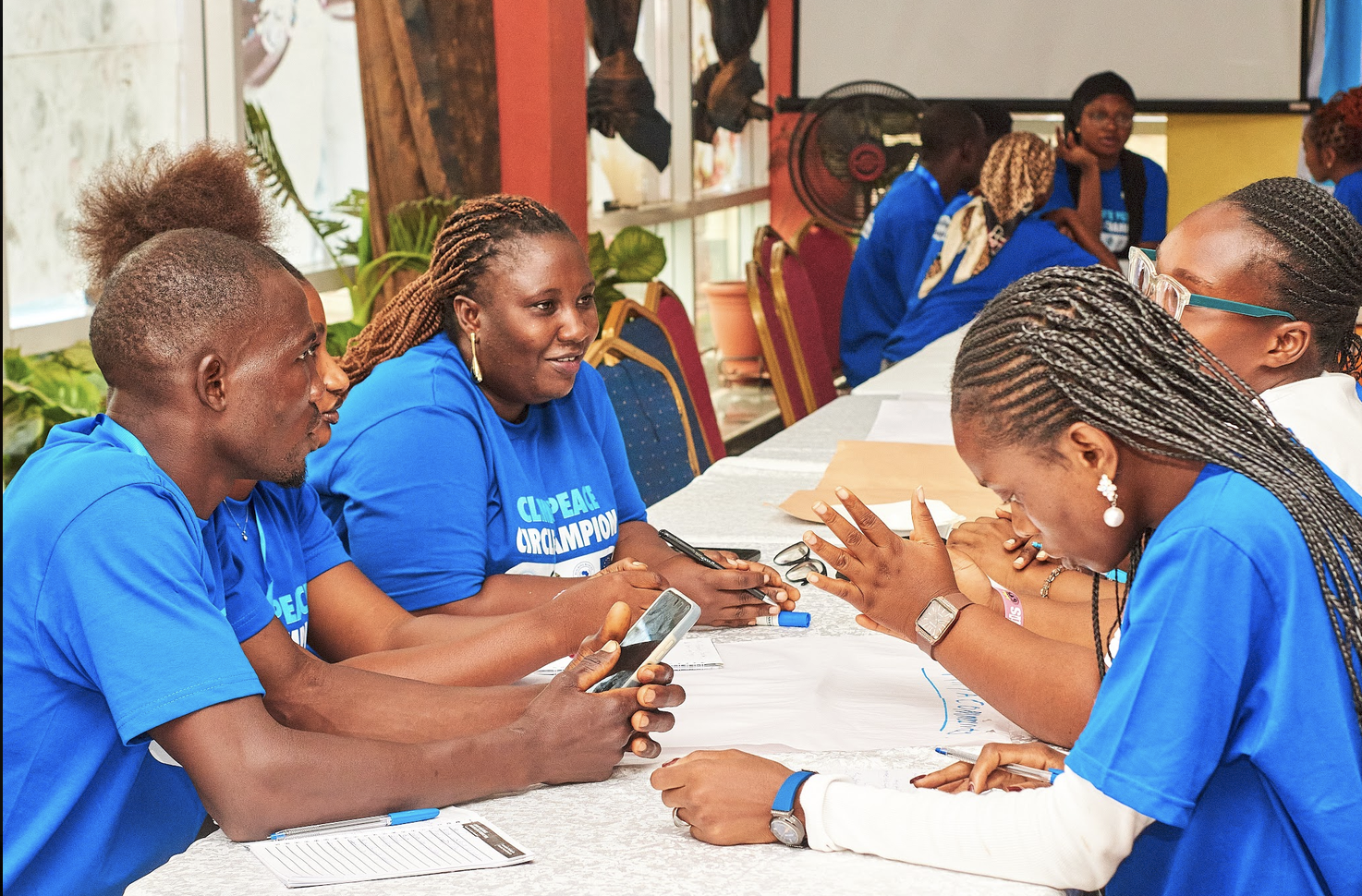
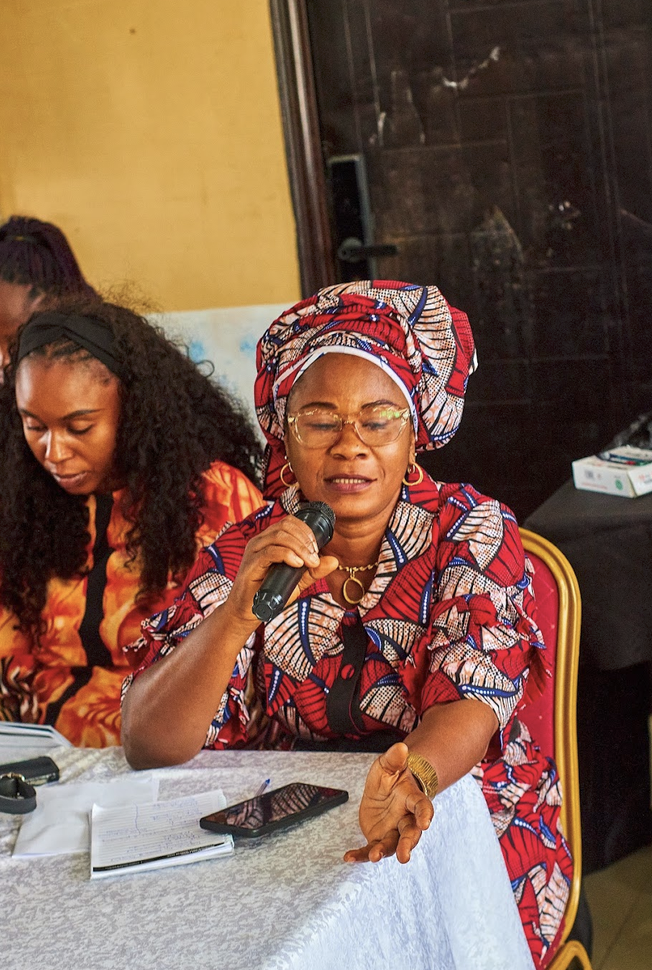
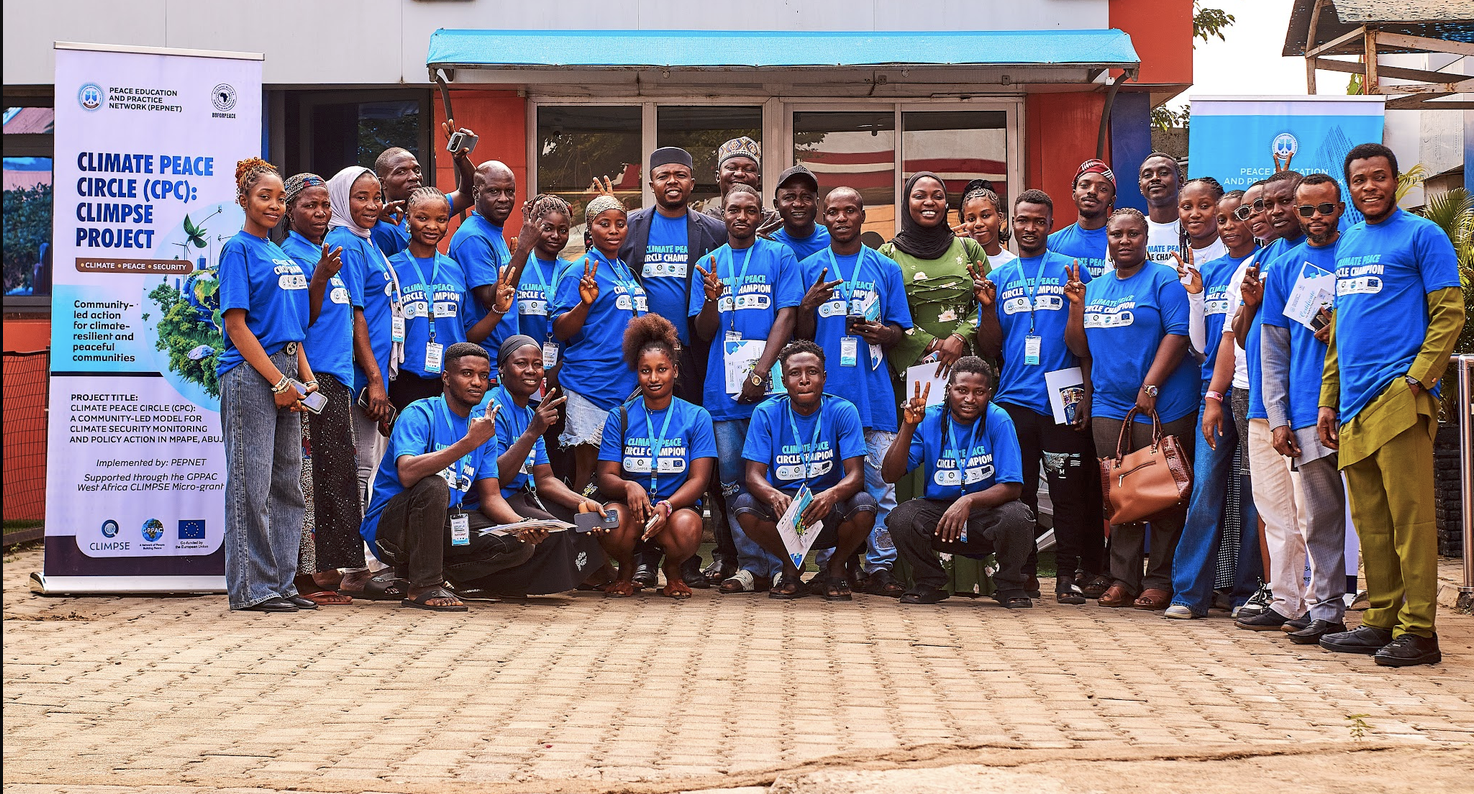
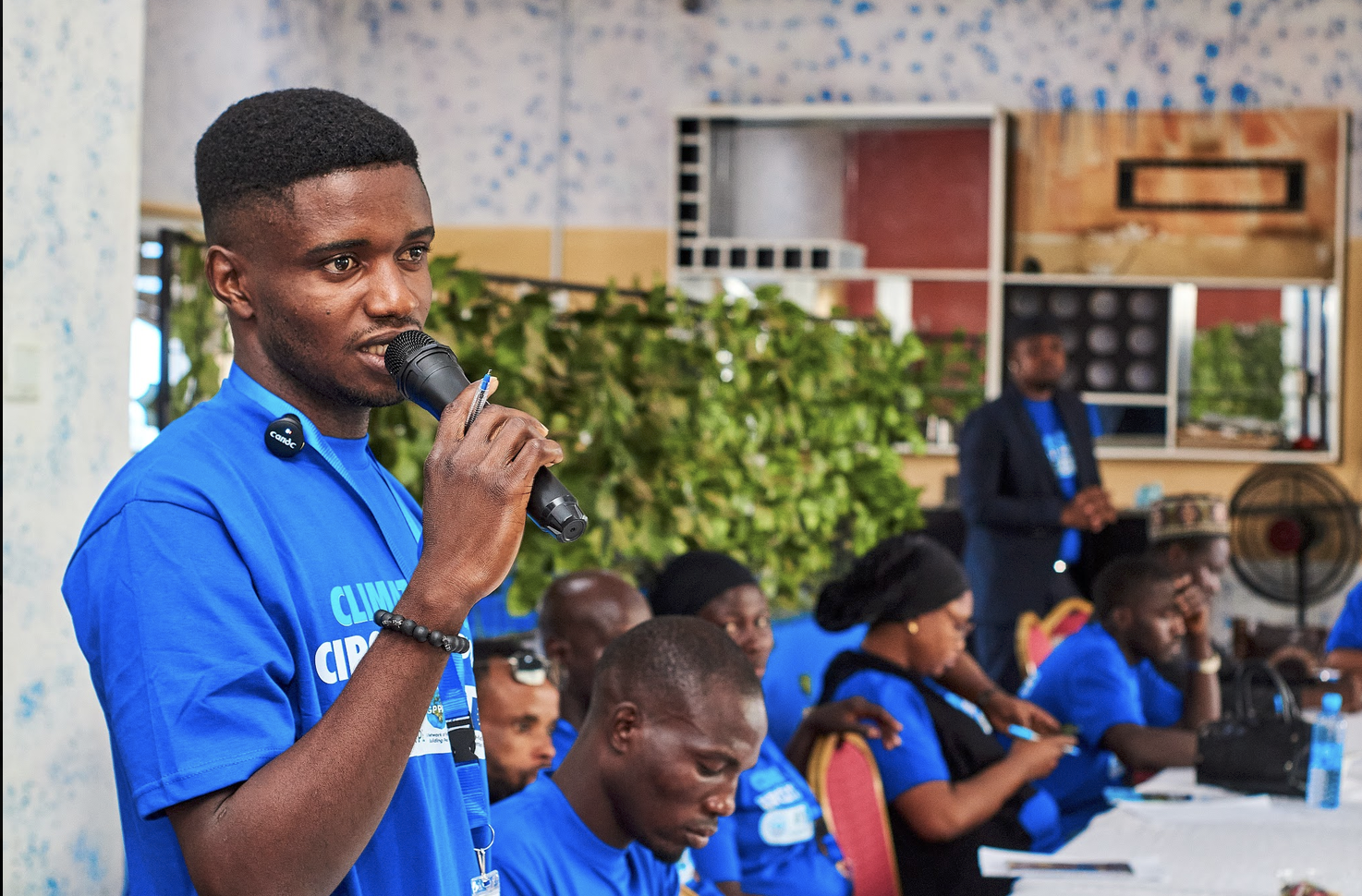
In August 2026, Peace Education and Practice Network (PEPNET) convened a two-day Climate Peace Circle training in Mpape, Abuja, under the CPC CLIMPSE Project. The engagement brought together community members, youth and women, community leaders, government representatives, researchers, peacebuilding practitioners, media professionals, and other stakeholders to discuss a community-led model for climate security monitoring and policy action.
Read the original PEPNET report
Why the Climate Peace Circle approach?
The CPC approach recognises that climate and environmental pressures do not occur in isolation. Issues such as flooding, waste, water challenges, environmental degradation, livelihood pressures, infrastructure gaps, and rapid urbanisation can interact with existing social and economic vulnerabilities. These pressures do not automatically lead to conflict. However, when vulnerabilities remain unaddressed, they can place additional pressure on households, communities and institutions. The Climate Peace Circle therefore creates a space for communities and stakeholders to examine these connections, identify emerging concerns and consider practical responses. For PEPNET, this means viewing communities not simply as beneficiaries of interventions, but as knowledge holders, participants in dialogue and partners in identifying and responding to emerging risks.
Connecting community knowledge with institutional expertise
One of the strengths of the Mpape engagement was the interaction between community experience and institutional knowledge. Participants included representatives from government, research, peacebuilding and environmental institutions, alongside community stakeholders. This created an important space for different forms of knowledge to meet.
Community members brought their lived experiences and observations of environmental and social challenges. Institutional actors brought technical knowledge, policy perspectives and information about existing systems and responses. The value was therefore not simply in having different stakeholders in the same room, but in creating an environment where they could listen to one another, examine shared challenges and explore possibilities for collective action.
From climate concerns to human security
The discussions connected environmental and climate concerns with wider questions of human security and peacebuilding. Participants examined how environmental pressures can affect livelihoods, wellbeing, infrastructure and community resilience. The approach also emphasised the importance of avoiding simplistic assumptions that climate change directly causes conflict.
Instead, the conversation focused on understanding how climate and environmental pressures can interact with existing vulnerabilities and how early action, resilience, dialogue and responsive institutions can help prevent those vulnerabilities from becoming deeper sources of insecurity. This is an important perspective for peacebuilding practice. The question is not only: Does climate change cause conflict? It is also: How can communities and institutions identify emerging risks early and work together to reduce vulnerability and strengthen resilience?
From dialogue to practical action
This training was designed to move beyond raising awareness. Participants engaged with Climate, Peace and Security, climate-sensitive peacebuilding, conflict sensitivity, community resilience, climate-related security risks and community-based monitoring and response. Through practical group activities, participants examined challenges affecting their communities, identified potential climate-security risks and considered possible responses.
The broader CPC CLIMPSE process therefore seeks to create a pathway from: Community knowledge → Dialogue → Observation → Evidence → Action → Policy engagement
This is important because community concerns can easily remain as informal conversations without becoming part of wider decision-making processes. The CPC model seeks to help create a bridge between what communities observe and the evidence that institutions and policymakers can use.
Developing Climate Peace Circle Champions
The training also established a foundation for continued engagement beyond the two-day event. Participants emerged as Climate Peace Circle Champions, creating a growing community of people who can continue to engage with climate, peace and security issues within their communities. The intention is to maintain connections through future CPC engagements, learning exchanges, and community-based observation. This makes the approach different from a conventional training programme where participation ends when certificates are issued. The objective is to support an ongoing community of practice that can continue learning, observing, discussing and responding.
From community observation to policy engagement
A particularly important next step is the development of community-generated evidence. The CPC CLIMPSE process will build on the relationships established through the training to support community climate-security observation, mapping and risk analysis. The evidence generated through this process can contribute to a Community Climate Security Policy Brief and wider engagement with relevant stakeholders. This creates an important pathway:
What communities experience → what communities observe → what communities document → what decision-makers can act upon.
For PEPNET, this is central to making community engagement meaningful. It is not enough to listen to communities. There must also be pathways through which their knowledge can inform action, programming and policy.
What the Mpape experience demonstrates
The Climate Peace Circle experience in Mpape offers a practical lesson: Communities should not only be consulted about climate-related risks. They should have meaningful opportunities to understand, discuss, document, and contribute to responses to those risks.
For PEPNET, the Climate Peace Circle training is not an endpoint. It is the beginning of a longer process of community learning, observation, dialogue, evidence generation, and action. The next stage will be particularly important as Climate Peace Circle Champions and other stakeholders continue to engage with the issues identified during the training and explore practical ways of strengthening community resilience and responding to climate-related security risks. The longer-term value of the approach will ultimately be measured not by the number of people trained, but by what happens afterwards:
Whether communities are better equipped to identify emerging risks.
Whether community knowledge becomes evidence.
Whether evidence contributes to institutional dialogue.
Whether dialogue contributes to practical action.
And whether practical action strengthens peace and resilience.
The Mpape experience demonstrates that Climate, Peace and Security work can begin at the community level, with something fundamental to peacebuilding itself: people coming together to listen, learn, understand and act.


Moses is Peacebuilding Consultant, Facilitator, and Peace Educator with Peace Catalyst in Nigeria. His work focuses on faith-based peacebuilding, youth leadership, and media-driven learning that empowers communities across divides. Moses designs faith-rooted, community-based peacebuilding initiatives focused on empathy, trust, and inclusion. Learn more about Moses here.