What does peacebuilding have to do with safer public transport, healthier food in schools, recycling, or better hangout spaces for young people?
More than we might think.
Peacebuilding is not only about responding to conflict when it happens. It is also about helping people develop the skills, confidence, and opportunities to address problems constructively; participate in decisions that affect their everyday lives; and shape their communities for good. Young people around the world are an incredible force for good but oftentimes lack the support and encouragement they need to develop this knowledge base. However, when they learn that they can identify an issue, listen to different perspectives, engage decision-makers, and advocate for real, concrete change, young people build peace in their own communities.
This principle was the driving rationale behind ASPYRE Europe*, a three-year European Union-sponsored project led by Peace Catalyst team members working with “Nit Udruzenje” and “Youth for Peace” in Bosnia and Herzegovina, youth workers from Italian social cooperative “Agora,” and leaders of the Romanian NGO “Polylogos.” Over these past three years, our consortium taught advocacy workshops, coached, and mentored 60 young people to join together to develop 16 youth-led advocacy projects around issues they genuinely care about in their communities.
The topics were as diverse as the young people themselves. Some aimed to help make everyday life better for themselves, their peers, and family members, including initiatives focused on safer public transport, better study spaces, healthy food vending machines in their high schools and universities, greater visibility of school counselors, and increased accessibility to basic public buildings for those with physical disabilities. Others focused on amplifying young people’s voices in their community by advocating for youth governance at the municipal level of government, awarding youth excellence in academic settings, and creating a youth magazine which would feature scholarships, job opportunities, and fun local activities just for young people. Groups also focused on changing their physical environment by addressing inadequate waste management, adding recycling bins on the way to their university, reducing food waste in cafés and restaurants, and creating opportunities for sports in safe spaces in suburban areas.
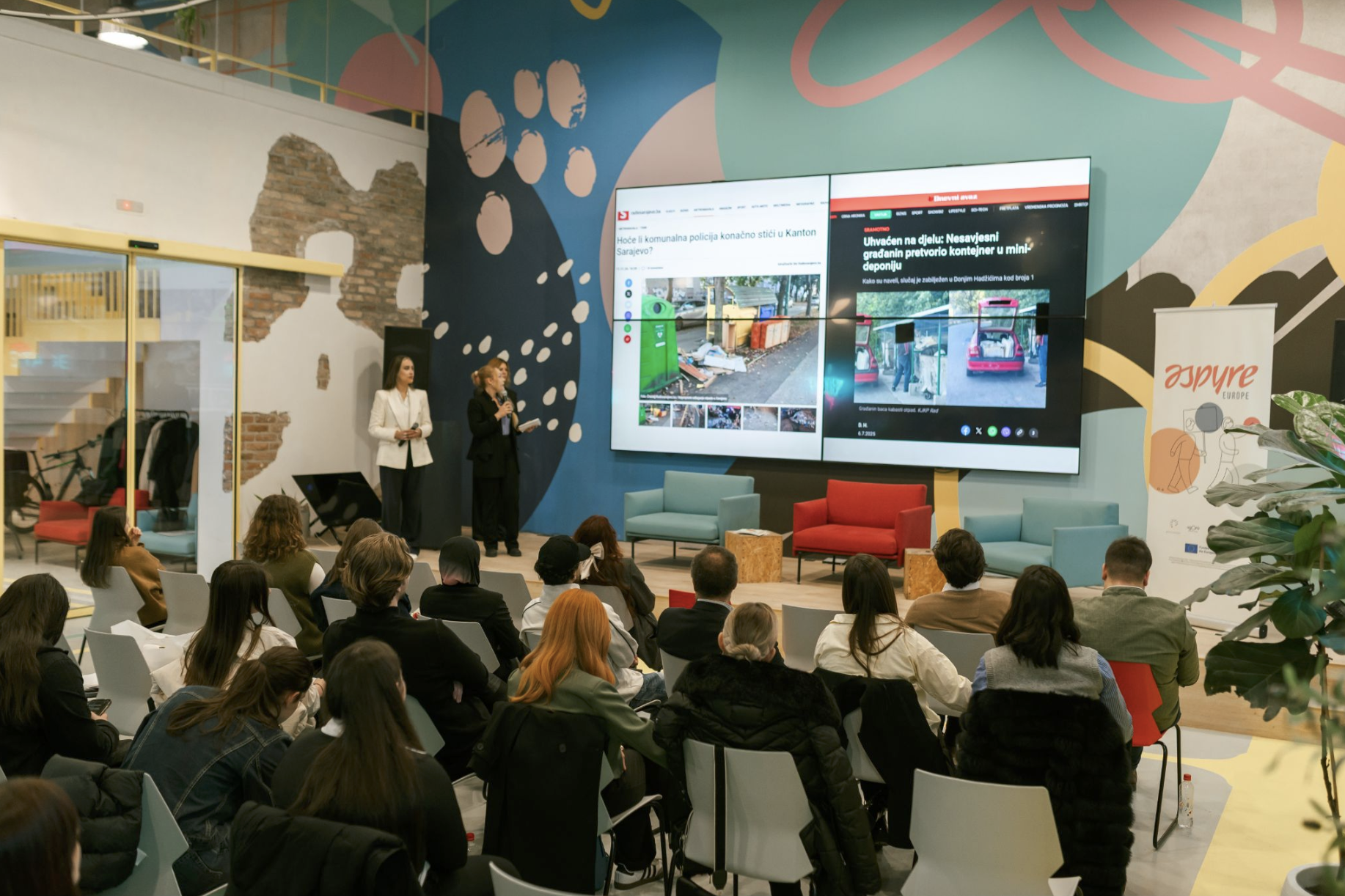
Throughout the project, these youth had the opportunity to develop and present these initiatives to their peers, professors, and local decision makers at Active Youth Forums and Civic Cafés. Many have even met with specific decision makers to discuss progress on their topics, create petitions with hundreds of citizens’ signatures, and create apps to facilitate public buy-in.
Peacebuilding doesn’t have to be grand or dramatic. These young people took a brave step to translate their concern into action, develop their unique voice, work with others, and take constructive action to improve quality of life for every citizen in the communities they call home. Imagine if each of us took the initiative to do what these young people did. Would we see a more peaceful world?
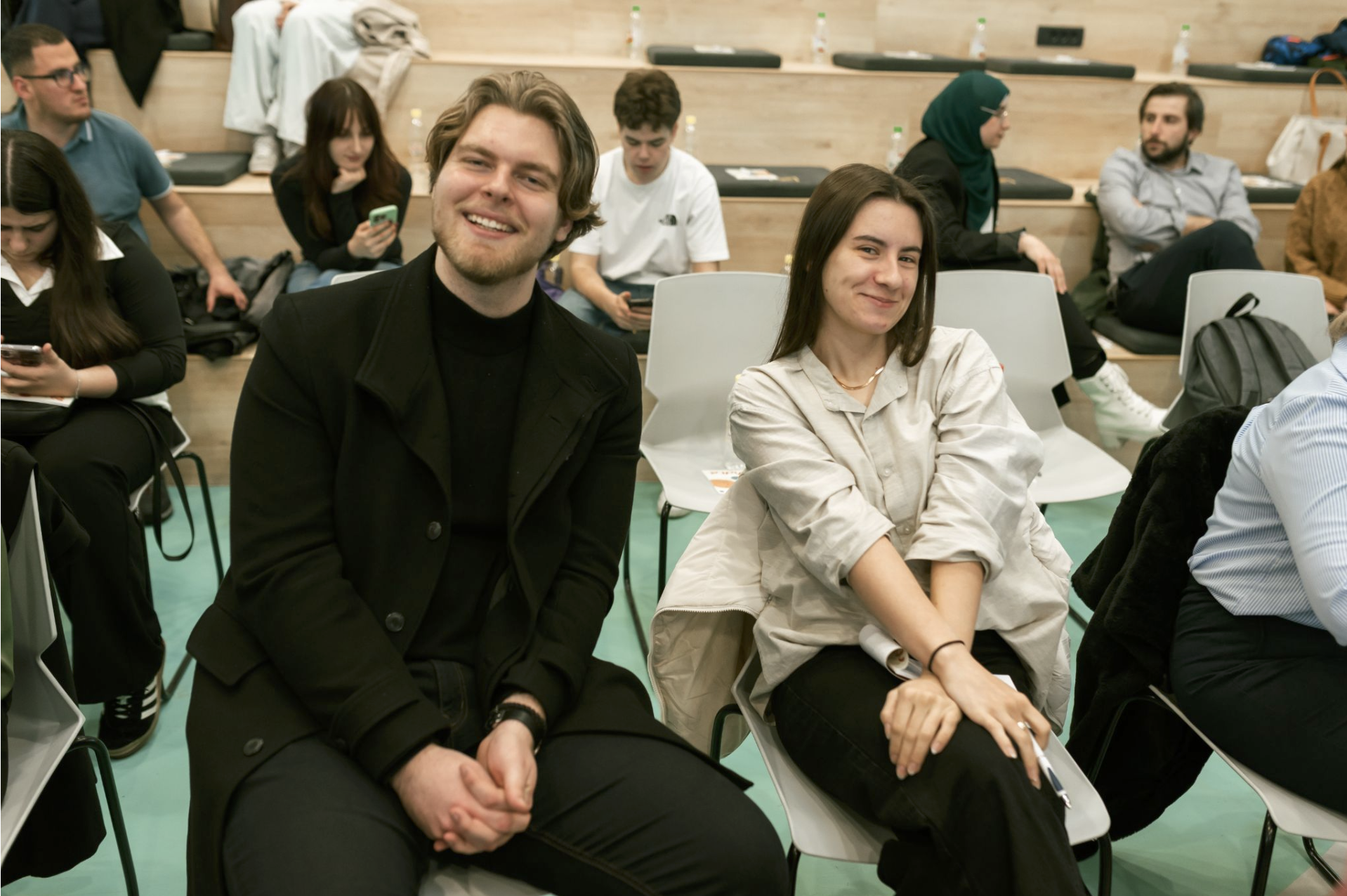
Peace Catalyst in Bosnia & Herzegovina is looking forward to assisting these youth as their projects continue to develop. We’re excited to work with professors and educators who have shown interest throughout the project in teaching skill-based advocacy workshops to youth in their classrooms and youth centers. And we’re making plans to mentor more youth in Bosnia and Herzegovina who are ready to make their own communities more inclusive, resilient, and peaceful - for all.

*Funded by the European Union. Views and opinions expressed are, however, those of the author(s) only and do not necessarily reflect those of the European Union or the European Education and Culture Executive Agency. Neither the European Union nor the granting authority can be held responsible for them.