The Fifth and Sixth Gospels
Not too long ago, as part of my graduate studies in Theology and Culture at St. Stephen’s University (New Brunswick, Canada), I had the opportunity to go on a “Holy Land Pilgrimage” led by Brian and Peri Zahnd. This short trip, my first time in this so-called Holy Land, forever changed the way I read Scripture.
I believe it was Saint Jerome in the early 5th century who first referred to this experience as reading the fifth gospel, a term I have heard repeated by many. Yes, we have the four gospels in the Bible, but visiting the land of the Bible opens our eyes to read the text in new ways.
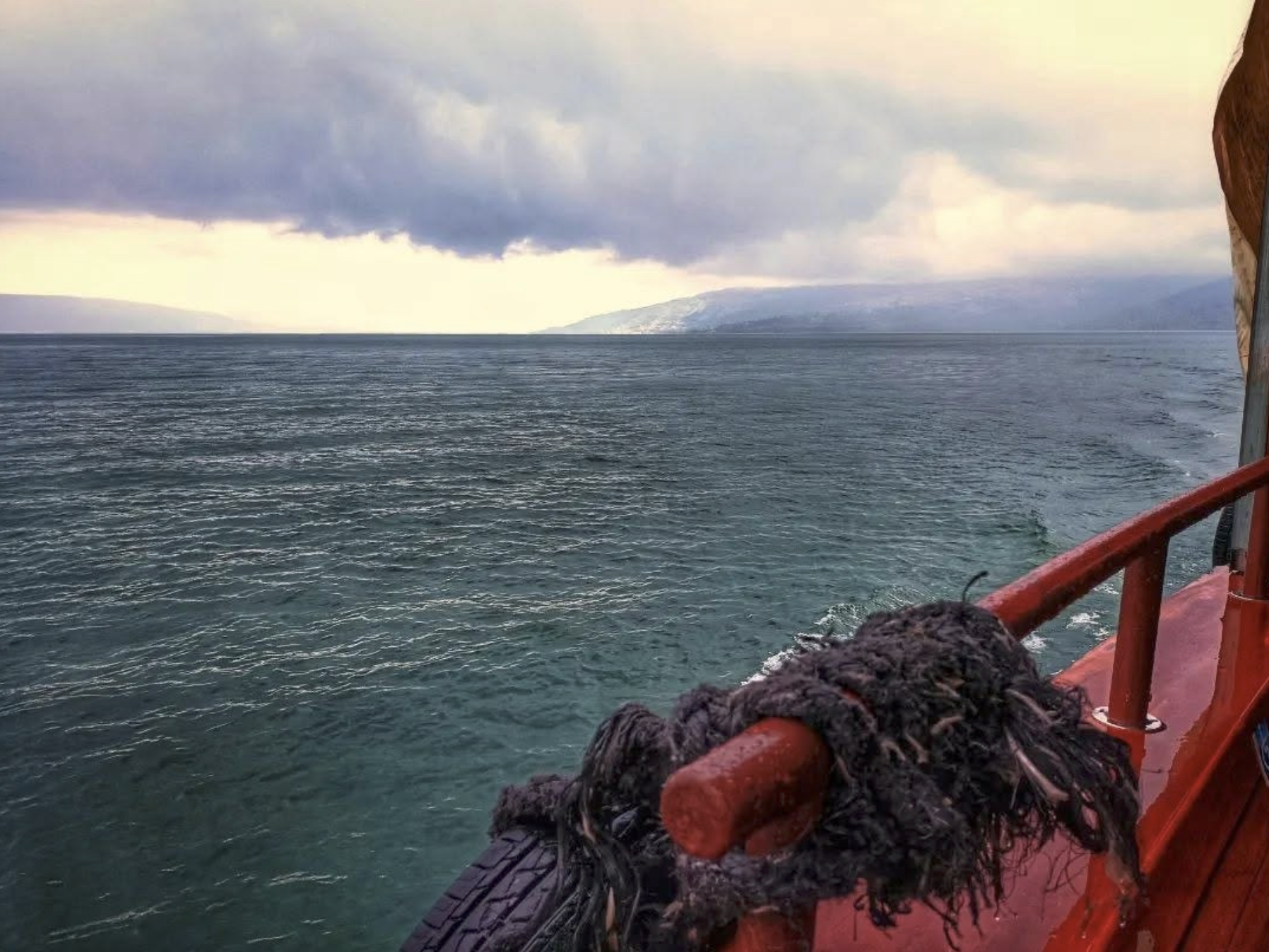
In the Holy Land, I have prayed on the shores of the Sea of Galilee and taken a boat ride on it during a storm (though not a big one).
I have walked up the Mount of Beatitudes and down the Mount of Olives.
I have sat in silence in the Garden of Gethsemane and in the place of the death and resurrection of Jesus.
I have eaten with Bedouins in the Judean wilderness and walked the streets of Jericho.
I have eaten fish from the Sea of Galilee and drank water from Jacob’s well in Nablus.
I have walked the hilly roads of Nazareth and Bethlehem.
I have been in the cold waters of the Jordan River and the salty water of the Dead Sea.
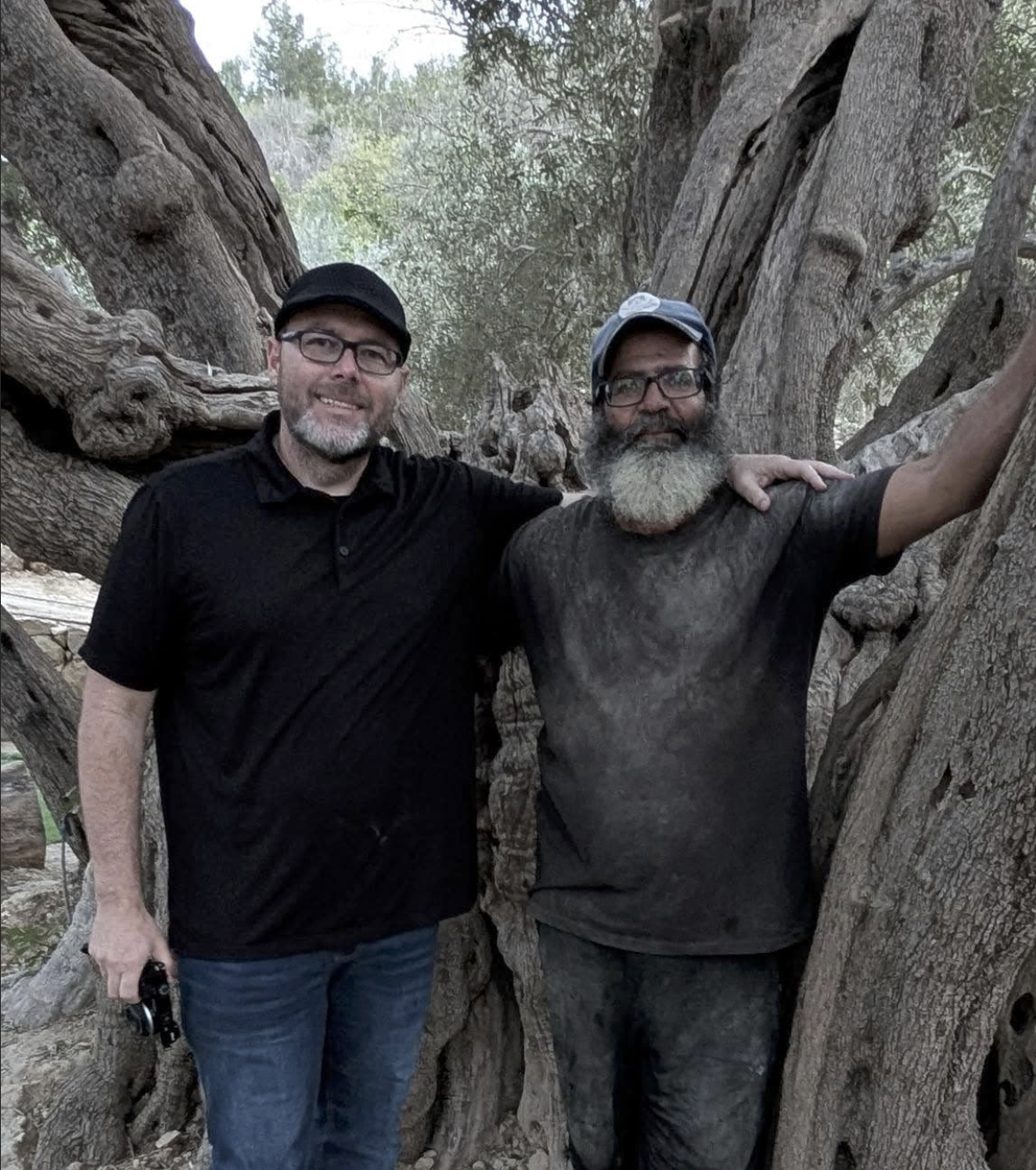
And in the Holy Land, I drank tea in the shade of the oldest olive tree in the world, a tree that dates to before the flood.
And the way I read Scripture is forever changed. In a way, I feel like before this trip I was blind, and during the trip Jesus spat into my eyes so I could see, but everything was still a bit blurry (cf. Mark 8).
It wasn’t until a couple of months later, when I visited again to study at Bethlehem Bible College’s Institute for Peace and Justice, that Jesus spat into my eyes again so that I could see more clearly (though, to be honest, I think gaining my sight is an ongoing process). It was on this trip that I discovered a sixth gospel. If the fifth gospel is the land, then the sixth gospel is the people of the land. More specifically, to narrate my experience and not to exclude or erase anyone else in the land, the sixth gospel is the Palestinian Christians.
Just as seeing and traveling the land helped me see Scripture differently, engaging with and listening to the Palestinian Christians has done the same. Palestinian Christians not only live in the land of Christ, but they live under remarkably similar conditions to those of first-century Jews in Roman-occupied Palestine. Palestinians live under the boot of empire, victim to European racism and colonialism. They have been demonized and dehumanized for decades, to such an extent that, for many, there is no difference between a Palestinian and a terrorist. Palestinians are trapped behind an apartheid wall, living under military occupation, with no rights. Their land is stolen. Their natural resources are stolen. Their history and culture are stolen. They can and are killed for any or no reason. Their children are kidnapped and tortured. Women die giving birth at checkpoints, while soldiers prevent ambulances from reaching them. They are victims of apartheid, ethnic cleansing, and genocide.
I have listened to the stories of displaced women after the Israeli occupation destroyed their refugee camp.
I have listened to a priest who has survived multiple assassination attempts.
I have sat in the tent of people who are terrorized daily by Israeli terrorists who live illegally in Palestine.
I have listened to a mom weep as she told about her daughter being kidnapped by the occupation.
I have watched the smoke rise over the rubble of Gaza.
I have visited a family who has been fighting (in the courts) for decades to keep their legally purchased land outside of Bethlehem.
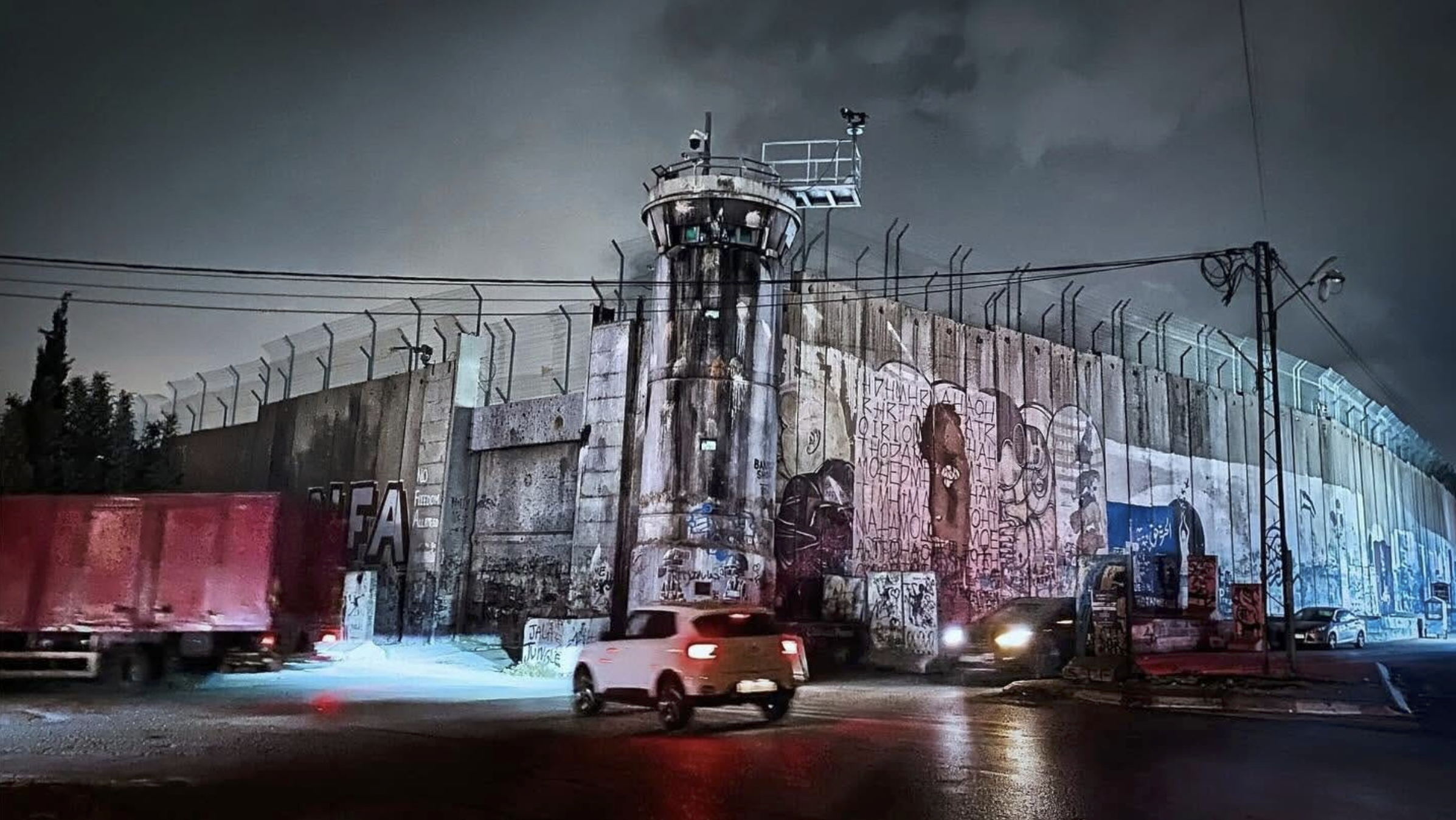
And yet, Palestinian Christians have shown me what it means to live a life faithful to Jesus, even in the midst of such pain and suffering. If anyone has reason to lash out in violence, Palestinians do. Yet Palestinian Christians are firm in their commitment to Jesus and his teachings in the Sermon on the Mount. They believe in and practice turning the other cheek, going the extra mile, loving their neighbors, loving and praying for their enemies, and not returning evil for evil. They refuse to hate. They refuse to use violence. They hunger and thirst for justice. They are like the persistent widow, crying out day and night for justice, even when no one will listen. They believe in Jesus’ words that the meek will inherit the land, that peacemakers are God’s children, and that the persecuted are blessed.
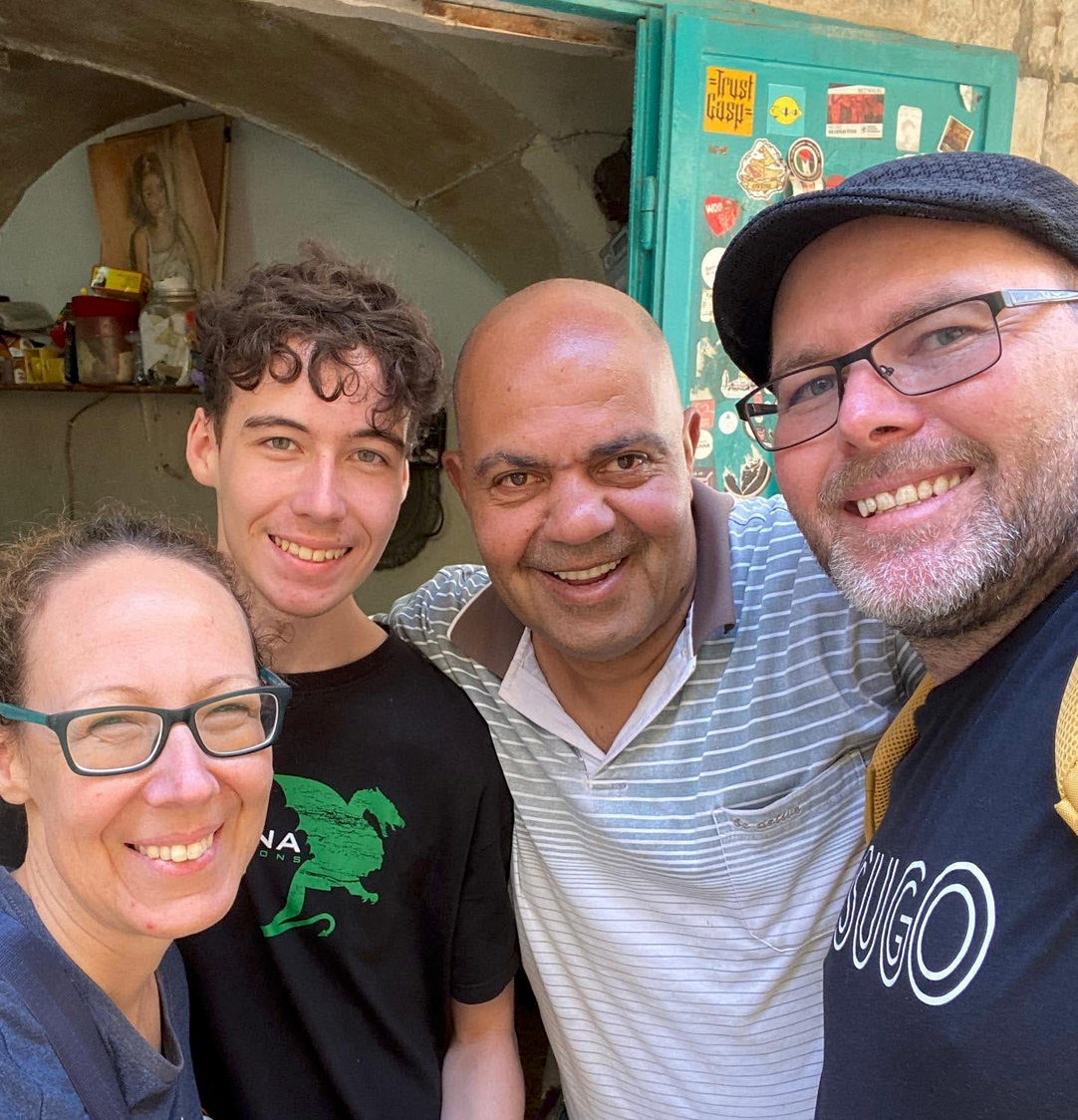
No, Palestinian Christians are not perfect. No, they are not all alike. Yes, they struggle to live out the very teachings I just mentioned, including the very real struggle of instilling these same values in their children.
I’m reminded of what Dr. Tony Deik said at a recent Christ at the Checkpoint conference I attended:
“For us Palestinian Christians, we were fed, I promise you, fed the ethics of Jesus, especially the Sermon on the Mount, since our infancy, with our mother’s milk.
As a child growing up in a Catholic school, I didn’t know much about the Bible. I didn’t even know the story of Abraham or David, let alone Joshua. But I knew Matthew 5 to 7. And when I went to a Lutheran high school, nonviolence resistance was part of our curriculum, day in, day out. For a Palestinian Christian, “love your neighbor” and “love your enemy” are community markers.
And I’m not saying we’re a perfect community. But for us, Jesus’ ethic of love is what makes a Christian Christian.”
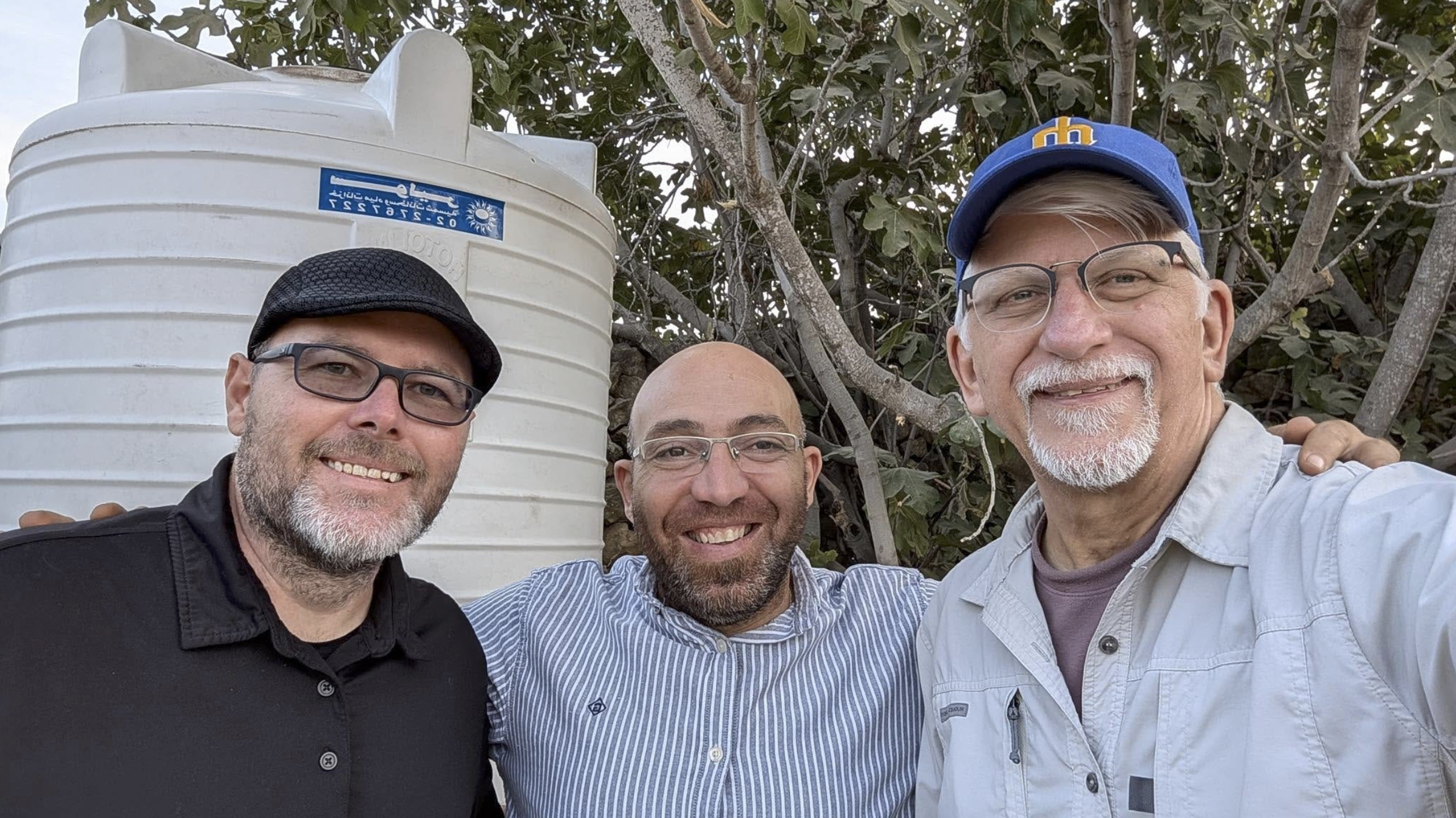
In my more than three decades of following Jesus, I have never encountered a more Christlike community than I did in Palestine, and this changed how I read Scripture.
Brian Zahnd, who first introduced me to this land, says it better than I can (I’ll only quote the first bit of Brian’s post, but I encourage you to read the whole thing):
“I have a problem with the Bible. Here’s my problem…
I’m an ancient Egyptian. I’m a comfortable Babylonian. I’m a Roman in his villa.
That’s my problem. See, I’m trying to read the Bible for all it’s worth, but I’m not a Hebrew slave suffering in Egypt. I’m not a conquered Judean deported to Babylon. I’m not a first century Jew living under Roman occupation.
I’m a citizen of a superpower. I was born among the conquerors. I live in the empire. But I want to read the Bible and think it’s talking to me. This is a problem.
One of the most remarkable things about the Bible is that in it we find the narrative told from the perspective of the poor, the oppressed, the enslaved, the conquered, the occupied, the defeated. This is what makes it prophetic. We know that history is written by the winners. This is true — except in the case of the Bible it’s the opposite! This is the subversive genius of the Hebrew prophets. They wrote from a bottom-up perspective.”
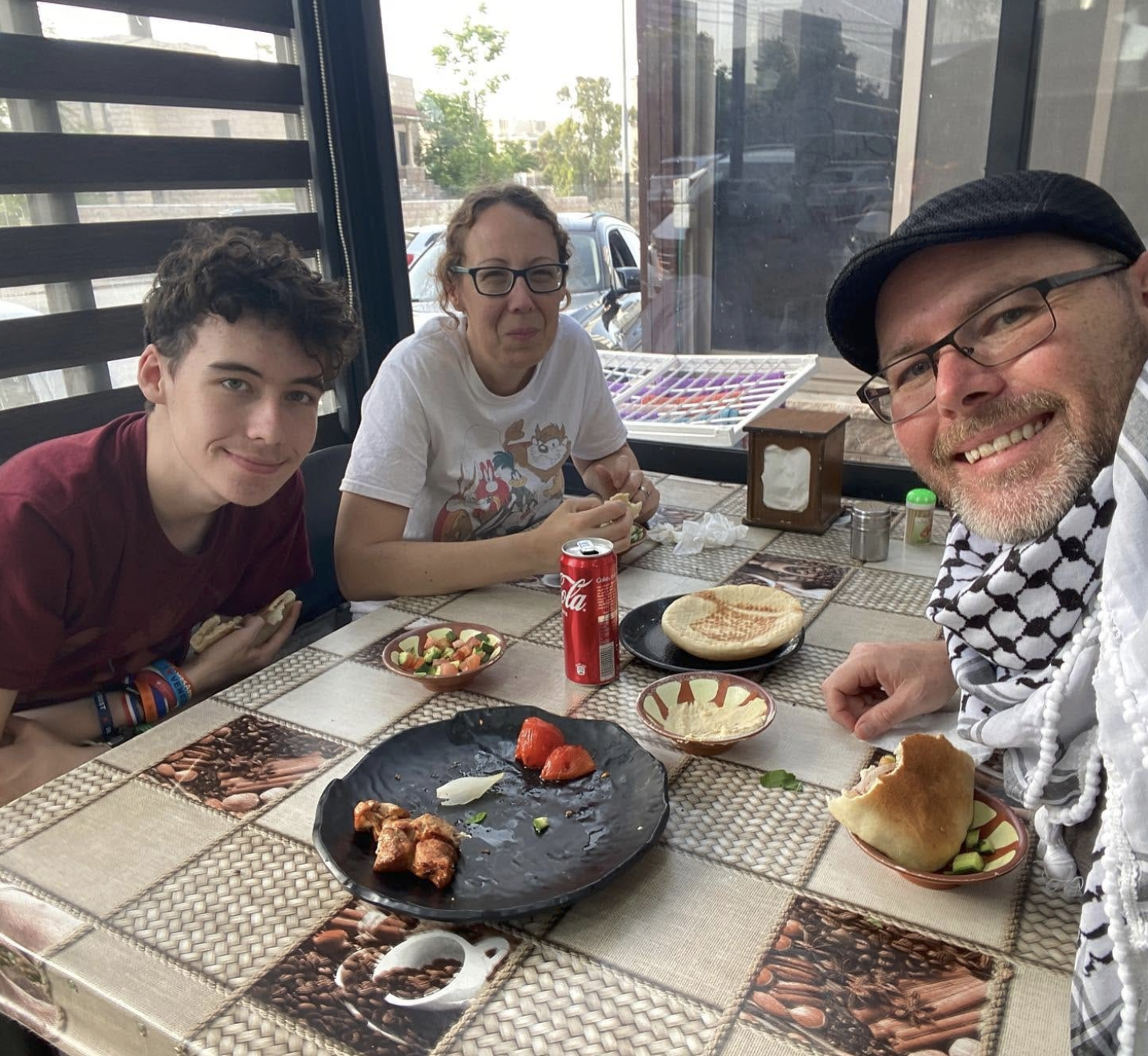
Experiences with both the fifth and sixth gospels have put me on a journey to read the texts from the perspective of their authors, a perspective I was never taught in Bible class or Bible school. How one reads “Blessed are the peacemakers” or “Blessed are the persecuted” is radically different when you are labeled a terrorist and arrested for nonviolently resisting an illegal military occupation. How you understand “love your enemies” and “do good to your enemies” may change when your daughter is run over by a bulldozer while trying to protect a house from being demolished, or your grandmother is shot by a sniper and left to bleed to death in the streets. How you teach Jesus’ jubilee message in the synagogue in Nazareth sounds different when you have been trapped behind a wall or fence for your whole life.
Or one final example. In John 10:10, Jesus says that he comes to give abundant life, but the thief comes to kill, steal, and destroy. I recently heard a sermon in the US where the preacher interpreted this as Satan wants to kill our joy and steal our hope. How might this text sound to a child whose older brother has been killed by a smart bomb, father has been kidnapped, and the house has been demolished by an occupying military?
It’s important, I believe, for each of us to examine the lenses through which we read the Bible, and understand that those lenses have been shaped by our cultures, experiences, personal preferences, and biases. One of the best ways I know to do this is by getting to know people who are different from me. It may not mean you need to visit Palestine (though if you do, I recommend this trip), but it could mean having coffee with someone from a different political party, nationality, sexual orientation, or religion. The more we can engage with people who are different from us, the more we can begin to see and understand the world from their perspective. We may not agree with them on everything, but that doesn’t mean we can’t listen and learn from them. Maybe these interactions won’t change the world by themselves (or how we read Scripture), but change won’t happen without it.
I think I’ll give the final word to Anthony Bourdain:
“If I'm an advocate for anything, it's to move. As far as you can, as much as you can. Across the ocean, or simply across the river. The extent to which you can walk in someone else's shoes or at least eat their food, it's a plus for everybody.”
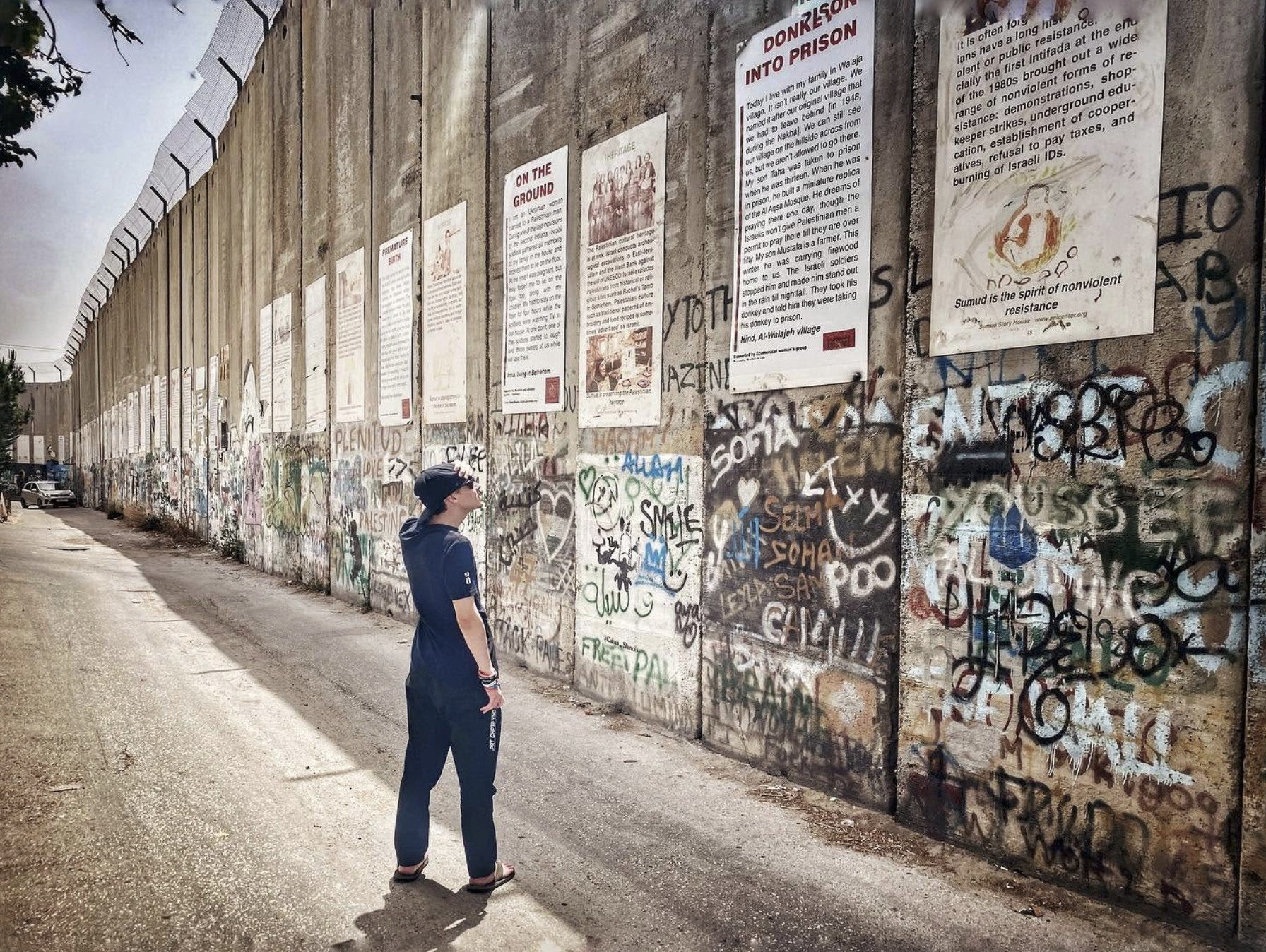
This blog was originally posted on Dougle’s substack.
Mike McDougle is a Peace Catalyst Peace Ambassador in Lithuania. Originally from the United States, “Dougle” is interested in the intersection of peace studies, theology, and culture. Learn more about Dougle here.