
LATEST POSTS

Trauma-Informed Forgiveness: Liberating the Oppressed, Reclaiming Agency, & Breaking the Cycle of Harm
Few words in the Christian vocabulary have been more distorted, weaponized, or misunderstood than “forgiveness.” In many church and societal contexts, forgiveness is asked from those who have been harmed—often quickly, publicly, and in ways that protect the comfort of the powerful and keep the oppressed in place. We need a liberative, trauma-informed, and biblical reimagining of forgiveness—one that centers survivors, breaks cycles of harm, and refuses to be co-opted by oppressive systems. Here’s what we think that looks like.
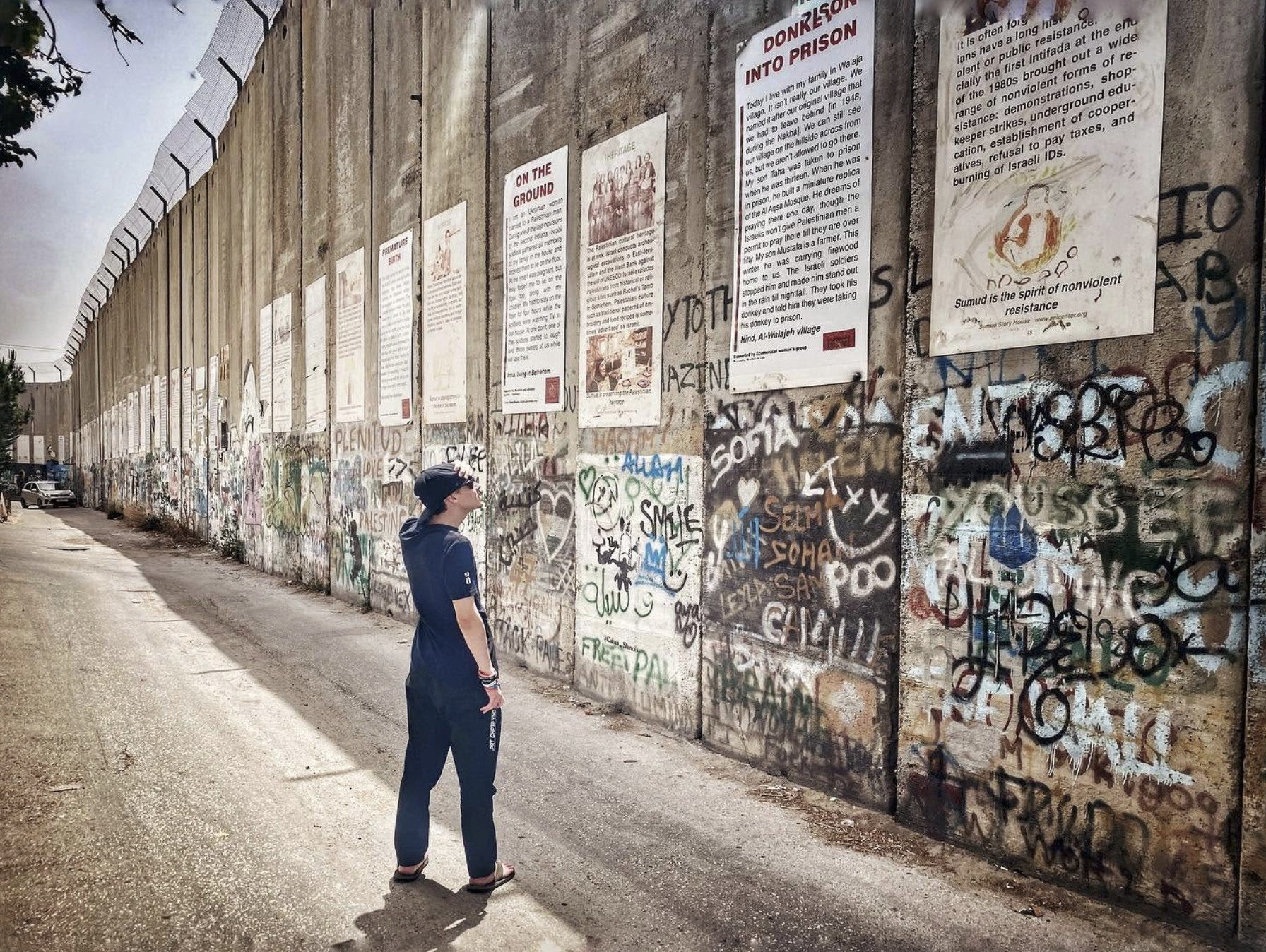
The Fifth and Sixth Gospels
Not too long ago, I had the opportunity to go on a “Holy Land Pilgrimage.” This short trip, my first time in this so-called Holy Land, forever changed the way I read Scripture. I believe it was Saint Jerome in the early 5th century who first referred to this experience as reading the fifth gospel, a term I have heard repeated by many. But I also discovered what I might call a “sixth gospel.”
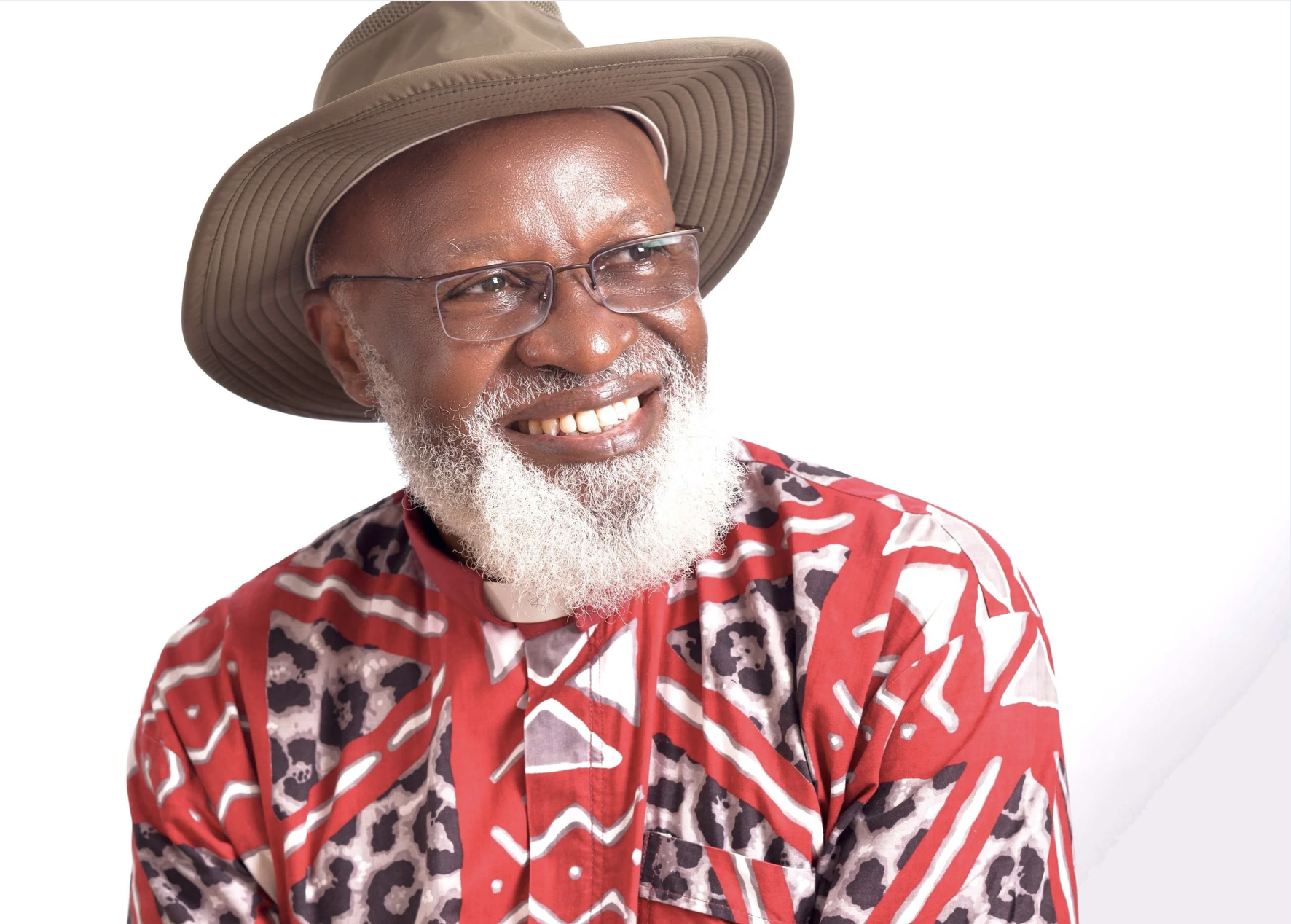
Reimagining Peace: From Peacebuilding to the Common Good
The following is a reflection by Bryan Carey, building on a conversation with Bishop Zac Niringiye. Bishop Zac is a Ugandan theologian and retired Anglican bishop whose decades of ministry, theological leadership, and public advocacy have made him a respected global voice on faith, justice, and the church’s public witness. His work challenges the church to embody the gospel through justice, humility, and solidarity rather than power and control.

The Third Deconstruction: A personal reflection on my faith journey
Over the years, I have heard a lot of talk about people deconstructing their faith, and my wife Lucy and I have helped people on their own journeys. Here, I want to focus a bit on my own faith journey and the process I’ve gone through, which I believe has involved three phases of deconstruction.
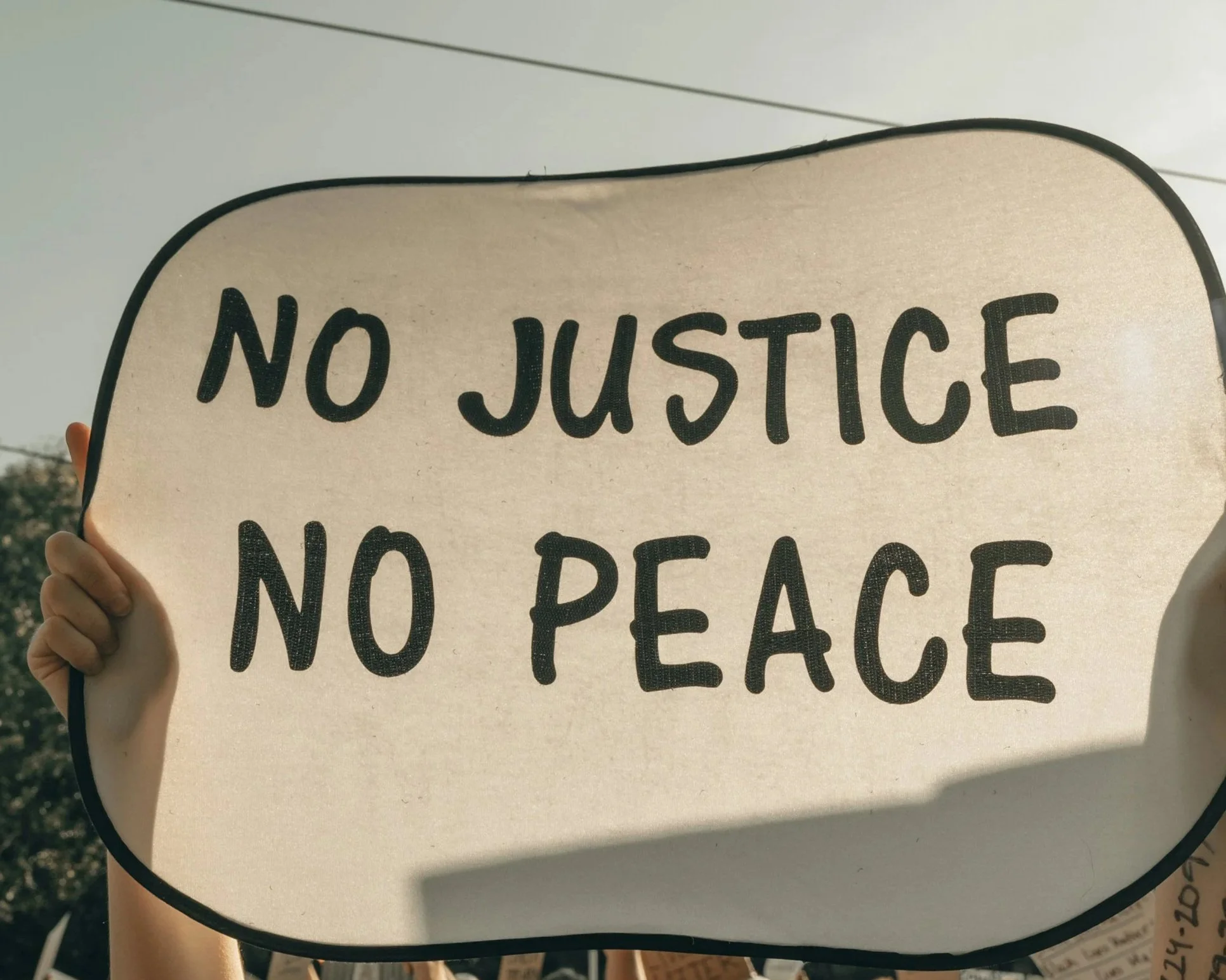
Justice at the Heart of God's Reign
God’s reign has a direction: it moves toward the poor, the captive, the oppressed. It moves toward a world where the widow isn’t preyed upon, the orphan has an advocate, the stranger is welcomed rather than exploited. This is what the prophets meant by God’s justice.

A Shalom-Centered Worldview “Belief Tree”
Our worldview influences our beliefs, values, decisions, and behaviors. So by visualizing these connections, we can better understand the relationship between what we believe at the deepest level and the “fruit” that our lives produce. Here’s what a truly shalom-oriented worldview looks like.

The Great Commission
Discipling the nations is not simply about getting people to believe in Jesus, but also about teaching them to live like Jesus, which can only happen when we listen to and obey what Jesus actually taught. So what did he actually teach? Here’s a reminder.

Faithful Peacebuilding: Why Peacebuilding Work Is the Gospel in Action
At first glance, the work of Peace Catalyst International can seem puzzling. We build friendships across divides, step into difficult conflicts, critique the church’s entanglements with power, and insist that following Jesus means engaging in the messy, public, political work of peacebuilding. Some Christians look at this and wonder, “Why so much self-criticism? Doesn’t that just tear down the church?”, “Isn’t this getting too political? Shouldn’t the church focus on spiritual things?”, “And most importantly: how does this kind of peacebuilding relate to evangelism and the gospel?” In what follows, I want to walk through these questions—not to dismiss them, but to show why they are exactly the kinds of questions the gospel compels us to wrestle with.
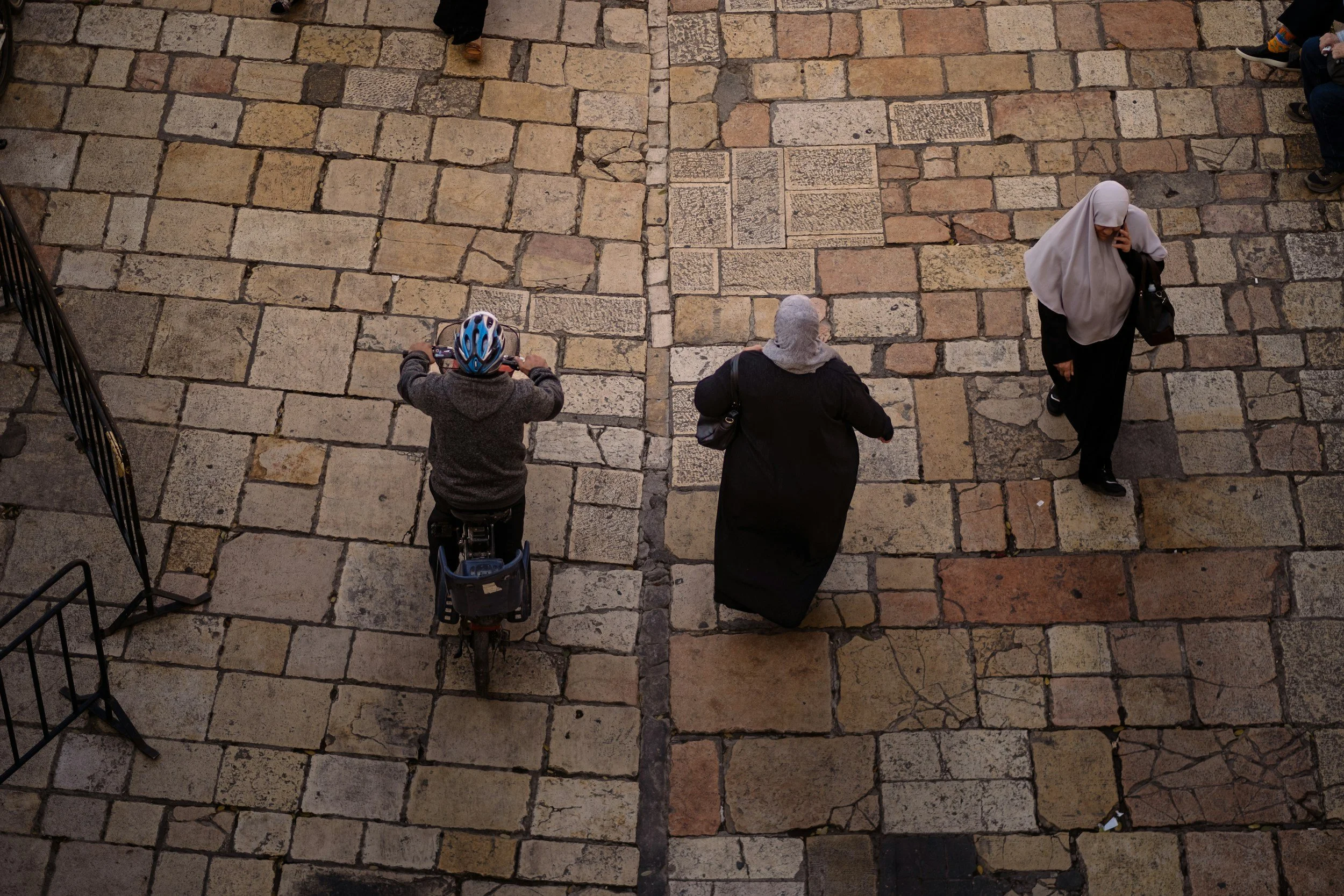
The Ethics of Jesus: Why Our Theology Must Never be Separated from the Ethics of the Kingdom of God
Whatever we believe about the Jewish people, the land of Palestine, or the end times, we must begin with the basics—with Jesus. Our theology is never just about ideas. It has real-world implications. It impacts how we treat people. It either upholds the ethics of the Kingdom of God, or it doesn’t. Jesus gave us a way of living marked by love, humility, justice, mercy, self-giving, and peacemaking.