This weekend we hosted an in-person discussion with Dr. Salim Munayer of Musalaha, a nonprofit working toward (and actually seeing) reconciliation in Israel-Palestine. Dr. Munayer shared with us not only about the Israeli-Palestinian conflict but very wise and hard-learned insights about conflict itself and the process of reconciliation.
Though this is a raw recording, the profound content of Dr. Munayer’s talk make it WELL worth listening to!
MORE FROM SALIM MUNAYER:


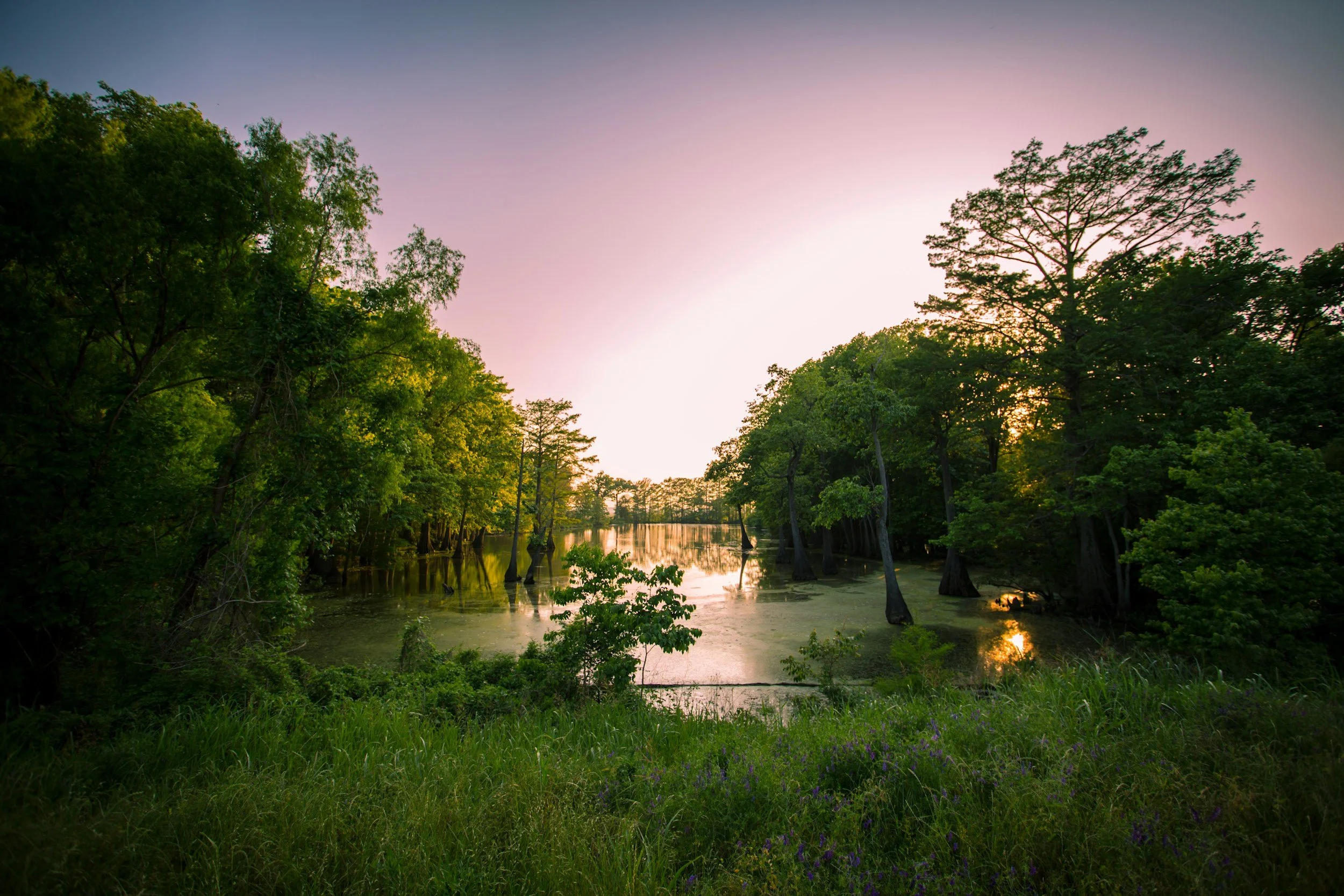
My peacebuilding work here in the Upper Midwestern United States has involved participating in Indigenous-led movements to protect land and water from extraction. The just-peace we work toward is a future where the world's freshwater held in the Mississippi River and the Great Lakes is recognized as a sacred gift rather than abused and polluted for profit.
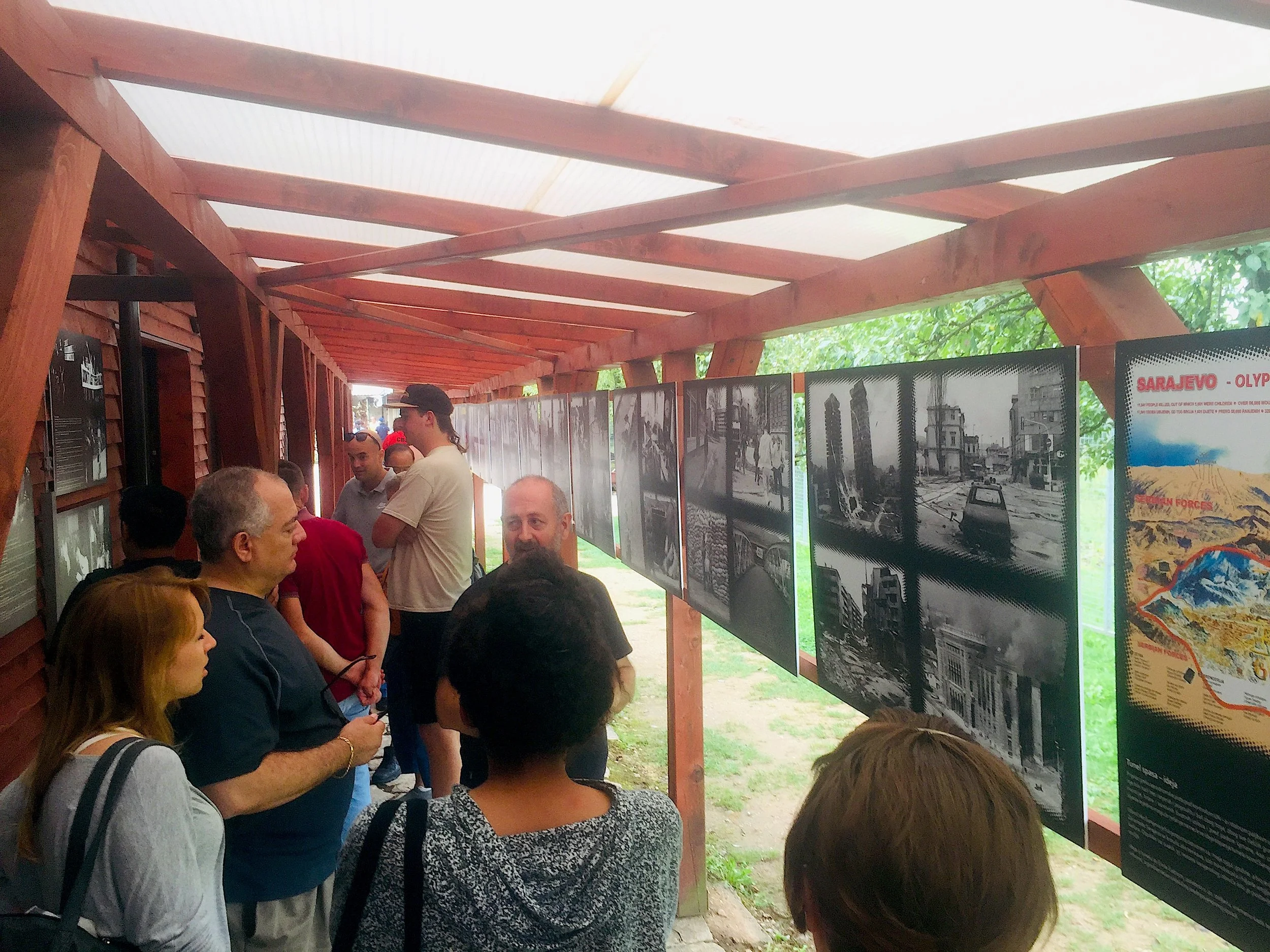
Safia Lamdaghri, a Danish student completing her masters in Global and Development Studies at Roskilde University, is currently an intern with PCI in Bosnia and Herzegovina. The following is a reflection processing BiH’s war-torn history and complex context as a visitor and Danish citizen.

Peacebuilding is not only about responding to conflict when it happens. It is also about helping people develop the skills, confidence, and opportunities to address problems constructively; participate in decisions that affect their everyday lives; and shape their communities for good. Young people around the world are an incredible force for good but oftentimes lack the support and encouragement they need to develop this knowledge base. However, when they learn that they can identify an issue, listen to different perspectives, engage decision-makers, and advocate for real, concrete change, young people build peace in their own communities.
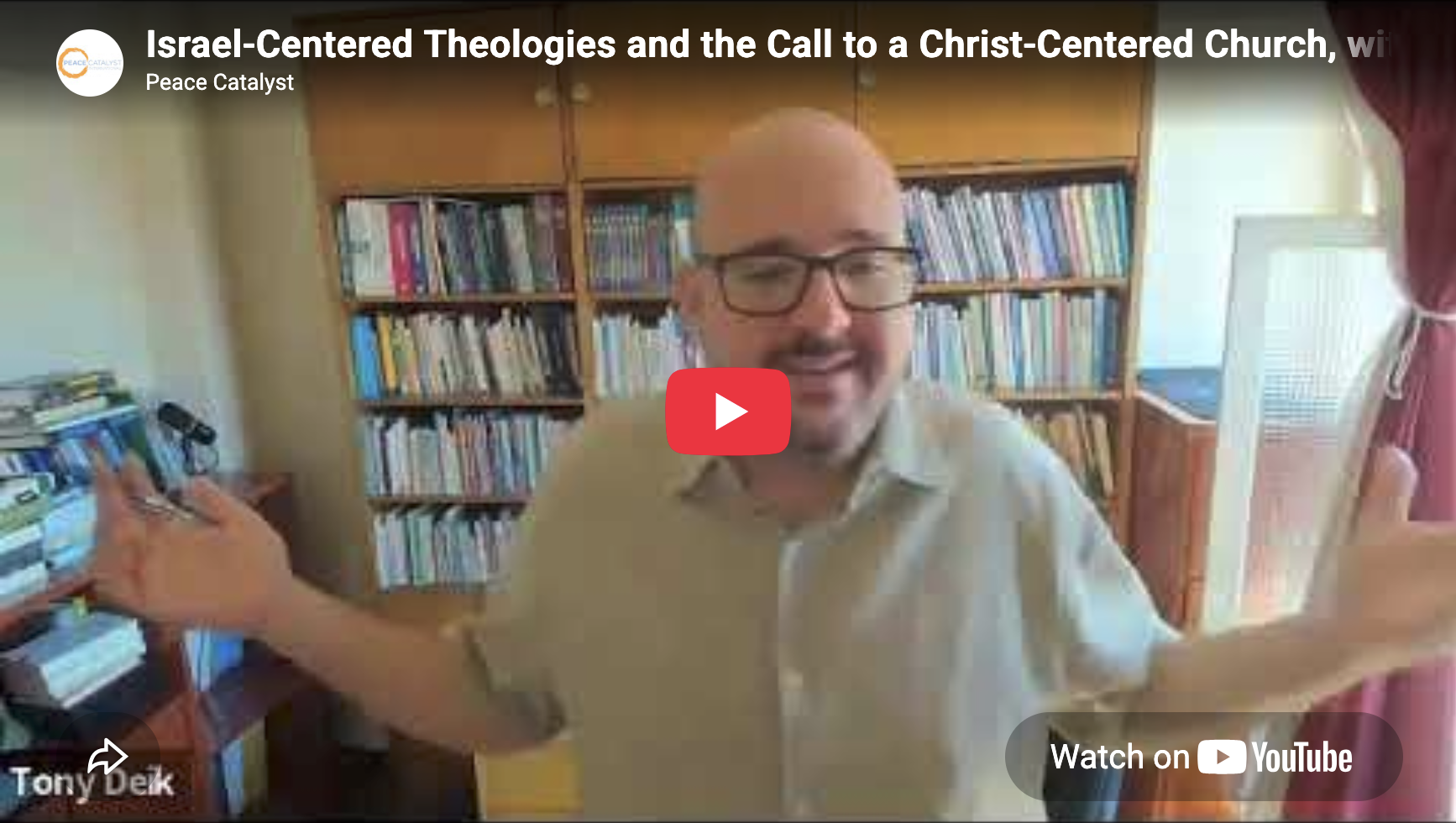
Palestinian theologian Tony Deik challenges Christian Zionism and the weaponization of “biblical chosenness.” The following reflections come after our October 8, 2026 Christian Peacebuilding Network conversation, “Israel-Centered Theologies and the Call to a Christ-Centered Church.”

Verbal insults, controversial statements, and hateful speech can be understood as symptoms of an ongoing war: a war fought within people’s minds. It spreads like a plague, transmitted through conversations, storytelling and insults, rooted in the political narratives. Those who absorb these narratives often do not realize that they themselves are victims. Victims of a hostility-inducing environment, which shapes their worldview and burdens their daily life with disturbing emotions.
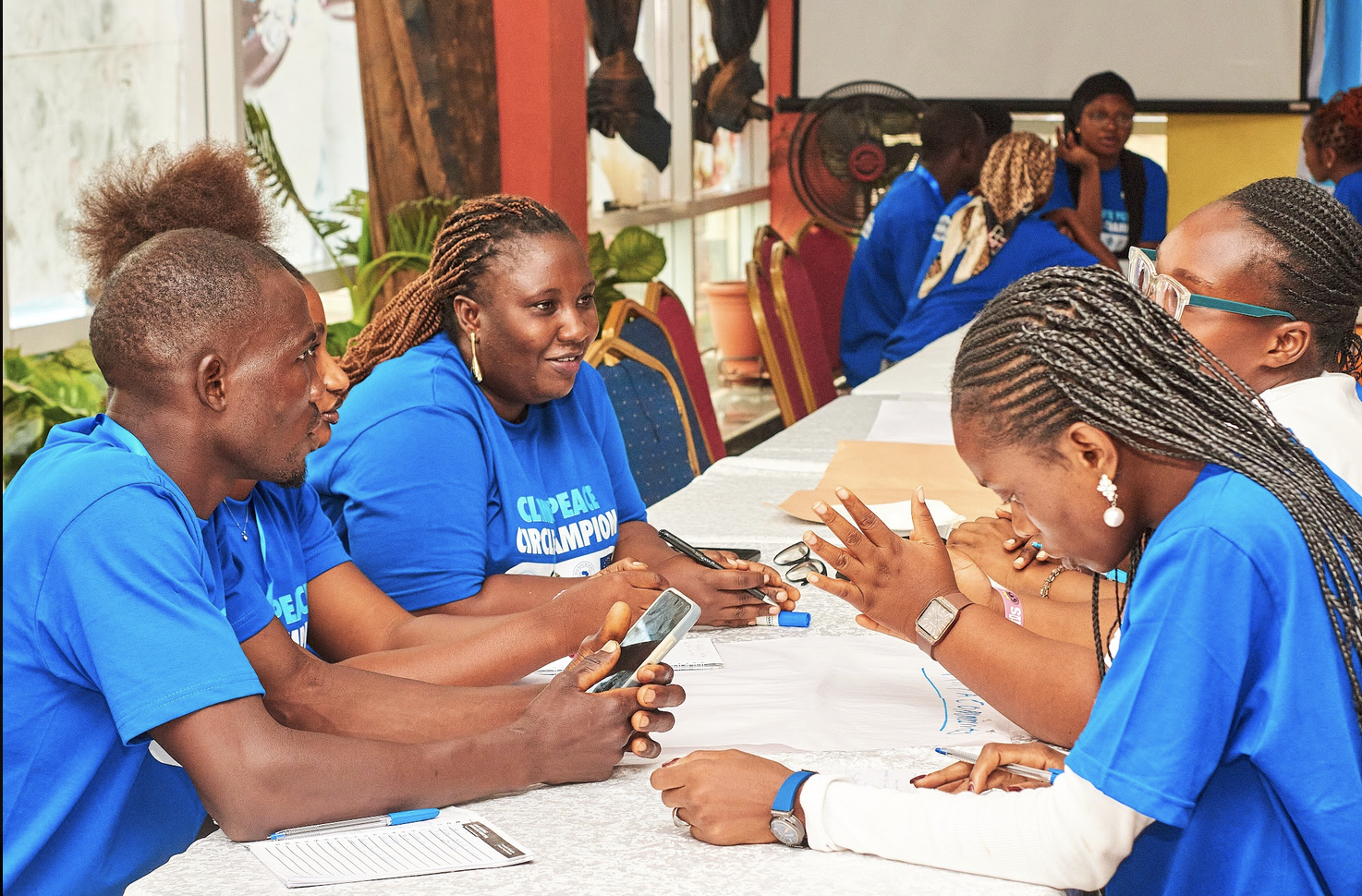
Climate change is increasingly experienced through its effects on livelihoods, access to resources, infrastructure, health, social relationships, and human security. Yet discussions around Climate, Peace and Security can often remain at the level of policy institutions and technical experts. The Climate Peace Circle (CPC) approach starts from a different premise: communities themselves have important knowledge about the risks they experience and should have meaningful opportunities to participate in understanding, discussing and responding to them.

While countries resist welcoming immigrants, going so far as establishing detention centers and deporting people to other locations, biblical teachings show Christians must oppose such harsh policies.

Wendell Berry died this week, and I find myself returning again to one of his poems I have loved for years, The Peace of Wild Things. The wild things can return us to a different rhythm, a peace that does not require us to deny what is happening around us. Perhaps they remind us that stillness itself can be a form of resistance to a world determined to keep us anxious, reactive, distracted, and afraid.

The lives we live and the legacies we leave behind. Reflections on the passing of Dolly Parton, Tim Curry, and Ratko Mladić.
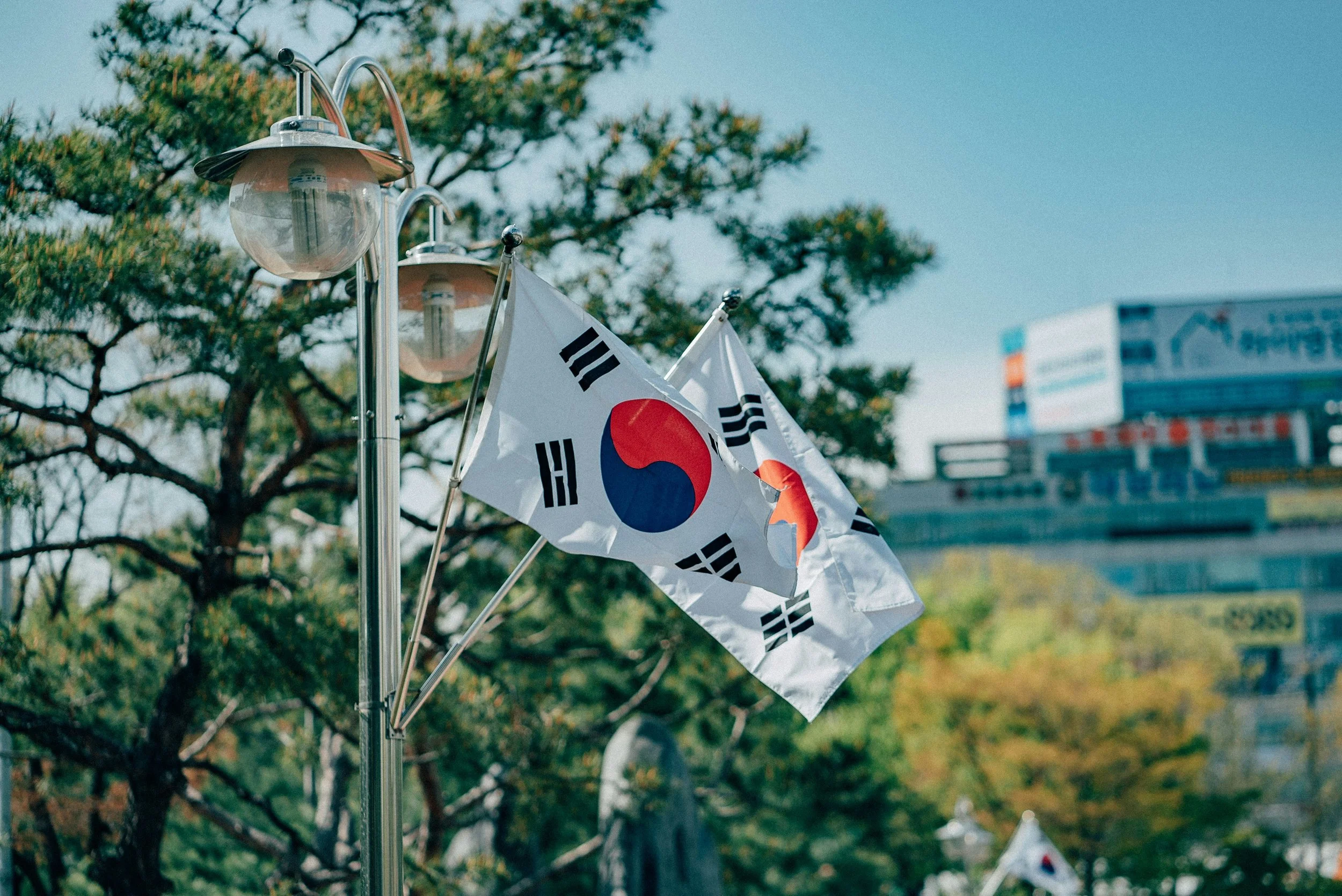
On Sunday, August 16th, US President Donald Trump announced that he had ordered the Department of War to reduce the joint military exercises (between the US and South Korean militaries) on the Korean Peninsula. I’d like to give some nuance to this situation, because whatever Trump’s motives, this public statement creates a small window of opportunity to open peace talks to end the Korean War.