Over the years, I have heard a lot of talk about people deconstructing their faith, and my wife Lucy and I have helped people on their own journeys. While the term “deconstruction” is problematic for many, I feel like it is an apt metaphor. Yes, it is a violent term, but going through the process can feel very violent. I also like the metaphor of restoration (like art restoration). It reflects a much gentler process, which I think is a good metaphor for those helping others in their deconstruction.
That said, I do not want to focus much on defining terms; instead, I want to focus a bit on my own faith journey. After some reflection, I believe I have experienced three phases of deconstruction.
Phase 1: Deconstructing Biblical Interpretation
During this period of my journey, I began to question whether the way I had been taught to interpret various texts was accurate. In my church tradition, I was taught that musical instruments in worship were wrong, women speaking or leading in church were wrong, drinking alcohol was wrong…and the list could go on and on, from who is saved to how long it took God to create everything.
During the first phase of my faith deconstruction journey, I discovered there were multiple ways to interpret Scripture, and that was okay, though I never really found a consistent way to interpret it. In short, I was left with freedom but no hermeneutic to guide me.
I’m not sure if it is important, but this all happened while I was serving as a church-planting missionary in Ukraine.
Phase 2: Deconstructing the Nature of the Bible and the Nature of God
In this phase, which I don’t think would have been possible without first going through the previous experience, I began to question the nature of the Bible and the nature of God. Are there mistakes or inconsistencies within the Bible? Did everything written happen exactly as described? Did God speak into the writers’ ears to tell them what to say? Is God a warrior? Is God violent? Who is God? This part of my journey led me to the Jesus hermeneutic, which interprets all things in light of Jesus' life and teachings. Until sitting down to write this, I did not realize that Phase 2 provided me with a consistent hermeneutic which Phase 1 left me without. This hermeneutic has helped me get a better understanding of the nature of both God and the Bible. In this phase, I also became much more comfortable with not having the answers and came to believe that the opposite of faith is not doubt; the opposite of faith is certainty.
This part of my journey took place while I was living and serving in China, partly self-supported and partly supported by a church.
Phase 3: In Progress…
And this brings us to today. I had thought I was done with deconstruction, but this third phase might be the most painful one of all, and I don’t know how to describe it just yet. The best I can do is to point to some key events and thoughts from the past several years. This phase began with my first visit to Palestine. It was there that I encountered, like never before, how my country and my religion - and our interpretation of Scripture and understanding of the nature of God and the Bible - have led to the oppression of millions of people. How was it possible for me to get into my 40s without ever hearing about Palestine, beyond the headlines or Hollywood stereotypes? And I guess it is normal for people who come from backgrounds of privilege to be impacted when they see the suffering of people in other countries, but what made this different is that when I went to tell my fellow Christians, I expected a sympathetic audience. I was naive. I thought that people would listen (and to be fair, some have), but most just want me to be quiet. I can talk about anything in the world, but not Palestine.
It is in this period of my journey where I have begun to see, like never before, God’s desire to bring shalom to earth. I have come to see that justice, peace, and reconciliation are central to the kingdom of God, and that we can’t just focus on the afterlife; we also have to focus on the present life. That if our theology does not speak to the suffering and oppressed peoples of the world, if it is not good news to them, then we have missed something. That God is to be found where he said he would be found, among the hurting, broken, and hungry.
Perhaps this stage of my journey is rethinking the very nature of what it means to be a Christian. And it is painful. It is isolating. But I think understanding this as a type of deconstruction — which has always led me into a deeper relationship with Jesus — offers some hope.
Concluding Thoughts
I don’t know if this will help anyone, but writing this out has helped me. I don’t have answers; I’m forever on this journey of following the Way of Jesus. And who knows what the Fourth Deconstruction will look like.
I also don’t know why I included where I lived and the type of work I was doing during each phase, but it feels important in some way, as it's part of my journey.
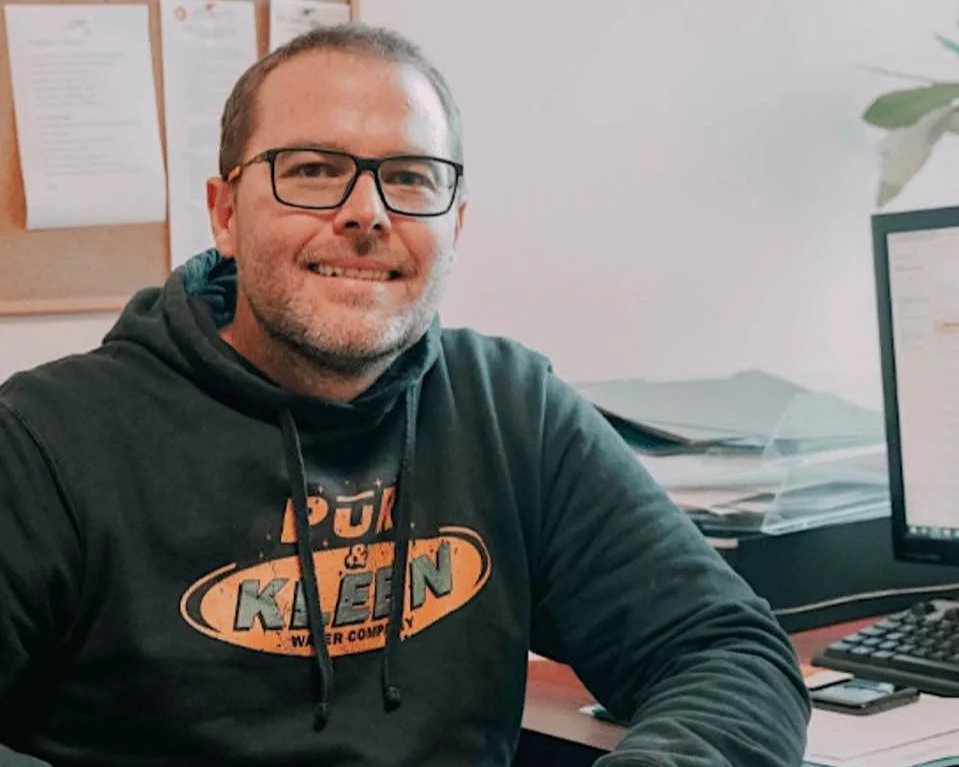
Mike McDougle is a Peace Catalyst Peace Ambassador in Lithuania. Originally from the United States, “Dougle” is interested in the intersection of peace studies, theology, and culture. Learn more about Dougle here.