Friday
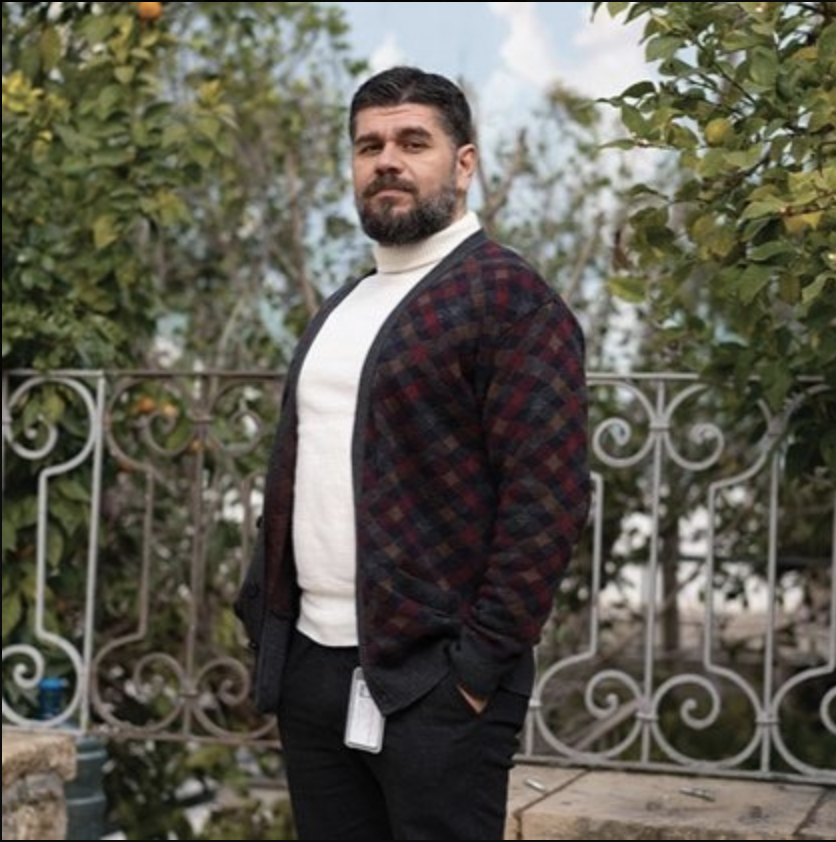
Saleem Anfous is a Peace Catalyst Team Member living and working in Bethlehem, West Bank, Palestine.
As we approach Good Friday in the Eastern calendar, I wanted to share what is on my mind. I am not that good at writing, but this is what is around us.
As I am reflecting on Holy Week, we enter the same dark path that the disciples walked two thousand years ago. On Palm Sunday, they had hope as they welcomed Jesus as king, entering Jerusalem, believing that their freedom was near. Yet their reality was shaken by a harsh political truth: Roman occupation, the corruption of religious and political leadership, and the tension of a society living on the edge of explosion.
At the Last Supper, Jesus’s words pierced their hearts as He told them that they would betray Him and that they would all scatter (Mark 14:18–31). Fear took root within them when they realized the danger of the path ahead, and they began to question everything and everyone. In the garden, their fear erupted; they fled, and some even ran away naked (Mark 14:50–52). Peter denied Him three times, and even when the women went to the tomb, they fled in fear (Mark 16:8). This fear and confusion were their reality; it overwhelmed them completely.
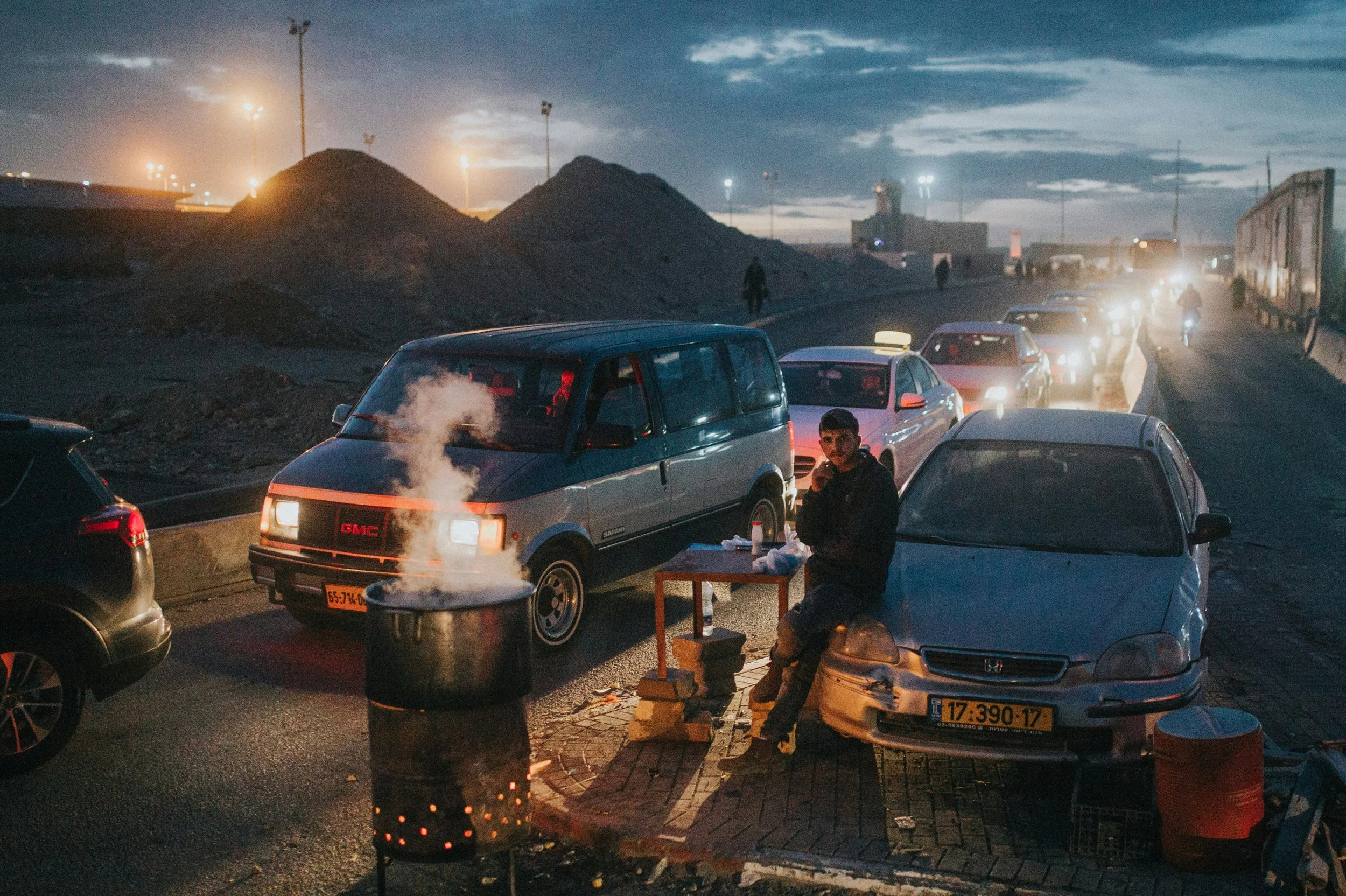
Today, as Palestinians, we walk a similar path. Our lives are filled with rising fear: under Israeli occupation, the Israeli-American war on Iran and the bombardment, settler mob attacks everywhere, unjust and racist Israeli laws passed against us daily, economic collapse, rising cost of living, and we cannot forget the ongoing genocide in Gaza.
Just as the disciples once had hope, we too had hope. But political and economic instability crush us more and more. Like them, we fear betrayal, we fear scattering, we fear losing hold of the future. Every injustice, every sound of an explosion, every new racist law, every tear shed by our children, every checkpoint that closes, all of it feeds this fear, disrupting our thinking and paralyzing our hope.
So we want to name this fear, not to remain its prisoners, but to see how it dominates us, just as it dominated them. By naming it, we confront this paralysis. Even while we are afraid, we remain honest about where we are and what this fear is doing to us. But we must also recognize that, like the disciples, we are not always in control, and that is frightening. We are under the grip of fear; our thinking is hindered, and we feel powerless. Psychologically, fear can paralyze us: we cannot think clearly, we cannot act, and we lose hope. This fear takes over everything, and this is where we are now.
So, what do we do with all of this? How do we deal with it? How do we understand it? How do we face the fear surrounding us today, when everything seems out of control?
With no doubt, we know our Scriptures well, and we know the truth, we know the tomb is empty, that Christ is risen from the dead, that He has conquered death, but in this moment, let us face the reality we are living in. We are still living in Friday. We live in fear. We are scattered. Fear dominates us. Fear surrounds us. Fear terrifies us. Fear controls us.
If fear blinded them from seeing the resurrection, what is our fear doing to us today?

Saleem Anfous is the producer of the Across the Divide podcast, which explores the intersection of Christian faith and social justice in Palestine-Israel and what this intersection means for the church in the West. Saleem originates from Aboud, the heart of Palestine’s finest olive oil, and has called Bethlehem home for over 25 years. Learn more about Saleem here.