PCI Norwich Highlight: Communion in India to Peacebuilding in Norwich
In 1998 I had the enormous privilege to join a highly creative reconciliation project as part of a British team of musicians traveling to India to ask forgiveness for the colonisation of music in the Indian church. This involved us doing fusion worship music alongside Indian musicians. It was a powerful and impactful time. At one of the events an Indian pastor said to me, “I would like to take you somewhere and show you some things. Would you be okay with that?”
I agreed to go with him and found myself sitting with just him in a little white van with no idea where we were going. He first took me to the town square where British soldiers killed people in a mass shooting, then he took me to a place where British troops had raped local women. At the third location he opened the side of the van and there was a tray with two cups, a plate, and some bread. When I think of all the bumpy roads to get to where we were, I will never understand how this tray stayed so immaculate! He said to me, “I would like to invite you to take communion with me as an act of reconciliation, with you standing for your country and the British church.” We read a passage from Corinthians together, took the bread and the cup, and I asked forgiveness for all the damage done by my nation - the hurt, pain and suffering that had been done in the name of God. It was a deeply moving experience that I will never forget. At the same time, though, I must admit that I did not really understand the gravity of what I was doing because I did not understand how dehumanising our actions had been towards these people.
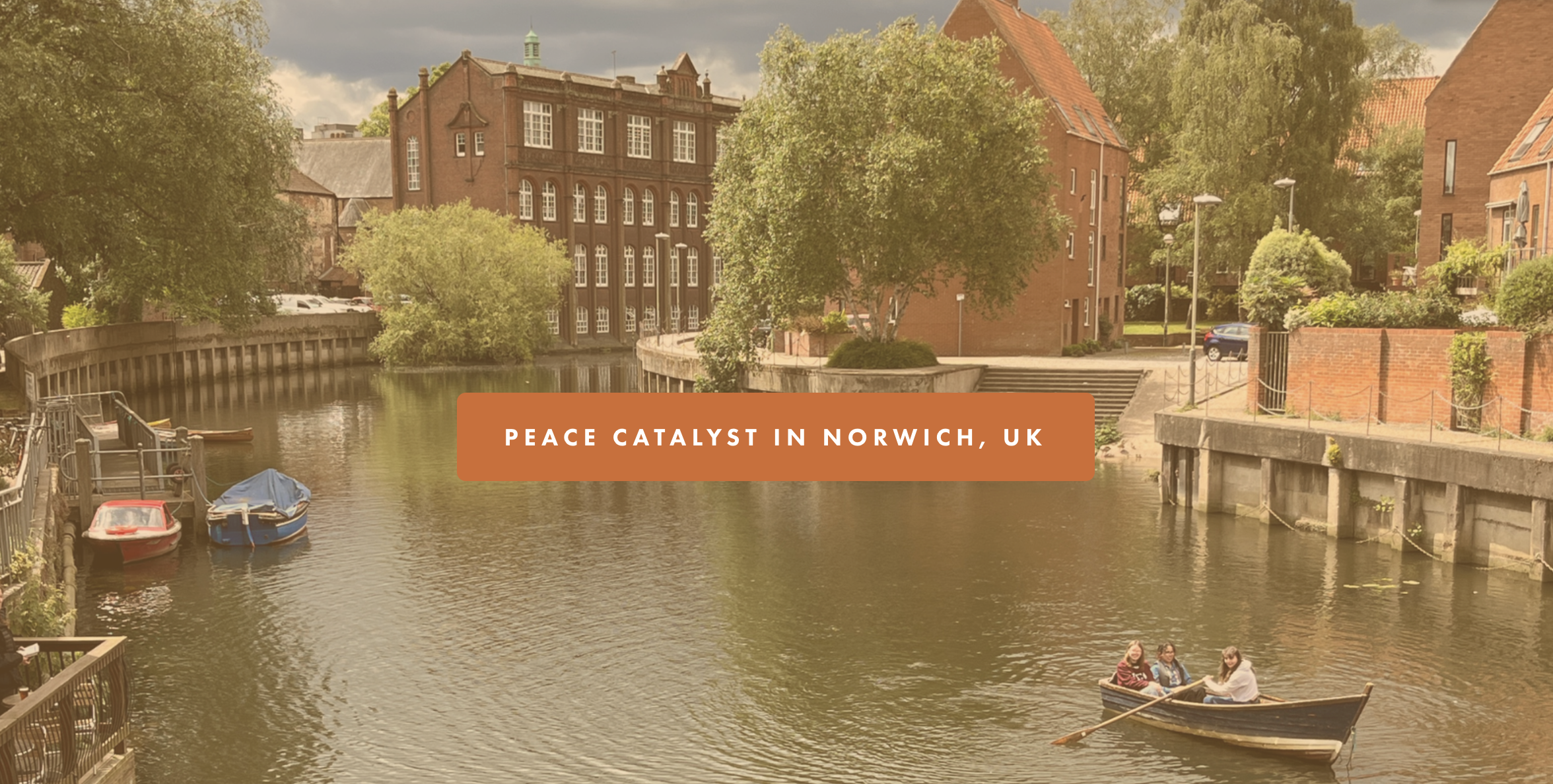
It was only after this experience that I found myself working full time in the social justice arena for the next 20 years. This took me to many other places around the world. In recent years I have gone full circle and found myself in Norwich, which is not too far from where I was raised. I have collaborated with many churches doing great work serving the poor and walking with the vulnerable and marginalised. Yet at the same time, I have also witnessed the church (the overall body of Christ) continuing to dehumanise others and act with colonialist power structures and ways of thinking. As I have ventured into this work in my older age, I have come to regard love, compassion and peace as the key components of my calling. In practical terms, this has meant seeking ways to rehumanise others.
That conviction is also what drew me to the work of Peace Catalyst. The language of understanding, connecting and collaborating resonated deeply with my own journey - from India, to refugee communities, and now here in Norwich. Our team here is learning how to put these values into practice in tangible ways.
We have identified three priorities that help guide us. The first priority is Personal Peace, which requires us to embody the truth of the Gospel (the example of Jesus) through inner soul work. We believe that we can only help others in a constructive way if we are present and mindful to those we are listening to, which means we must practice this within ourselves first. With all the things that are going on in the world, even as I write this, seeking to understand the other is as important as ever. Are we able to stop and listen to the story and the journey of the person who has different views to ours and different outlooks on current events? Understanding doesn't mean agreeing, but it does mean there is potential for connection.
Our second priority is Community Peace. This is where we seek to bring people together from different opinions, streams of thought, doctrines, or faiths to work together for the specific needs of local communities. One of my favourite verses in the Bible is Jeremiah 29:7 which says, ‘Seek the peace of the city.’ The Hebrew for this word translated as “peace” or “welfare” is Shalom. If Shalom - peace, welfare - is going to be achieved in our communities, then we need to work together.
The third priority is Church Unity. I rarely hear sermons on peace, the Beatitudes, or the Sermon on the Mount. Why is that? The word peace is mentioned in the Bible over 400 times; the word Shalom in the Old Testament and Eirene in the New Testament both have a multiplicity of meaning that includes peace, wholeness and welfare. When Jesus says ‘blessed are the peacemakers,’ he is saying, ‘blessed are the people that bring conflict transformation, that seek the welfare of the city and seek to love God with their soul so that they can be present and mindful to those around them.’ I do not believe it's a coincidence that each time after Jesus said ‘blessed are the peacemakers’ and ‘love your enemies,’ he then said, ‘You will be called children of God’.
We need to love our ‘enemies’ in the church; we need to be peacemakers. Sadly, this is a particularly hard task. We do not think of unity as a priority and yet Jesus said that it is only through us being one that the world will know truly about the nature and character of God. Jesus says to us as the church, ‘love one another.’ We can only do this if we listen, if we seek to understand and from this we can connect and possibly even collaborate with those in the church we may disagree with.
That communion time in India feels like a long time ago now, but I look back on it as a beginning for so much. I must confess I do not even remember that pastor’s name - but I'm grateful to him for listening to God and inviting me into something with him that was transformative and set the stage for where I am today.
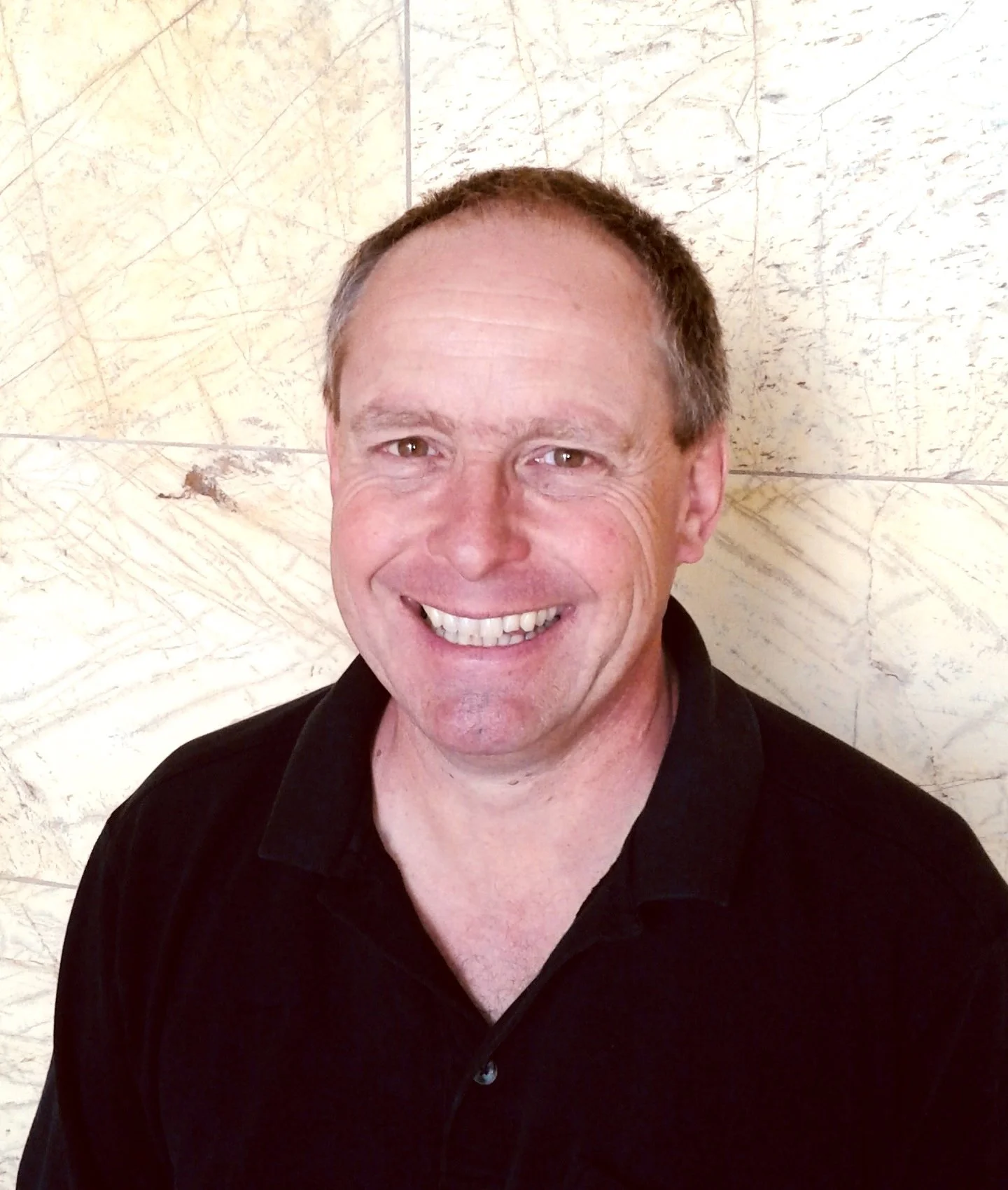
Phil is Peace Catalyst Program Director in Norwich, UK, where his primary areas of engagement are church unity, interfaith development, peace building, and safety in vulnerable communities. Learn more about Phil here.