The Struggles of Resisting when Burdened by Chronic Illness
One of the hardest things about living with lifelong illness is desperately wanting to make a difference in the world, but knowing the many ways your body might rebel if you even try.
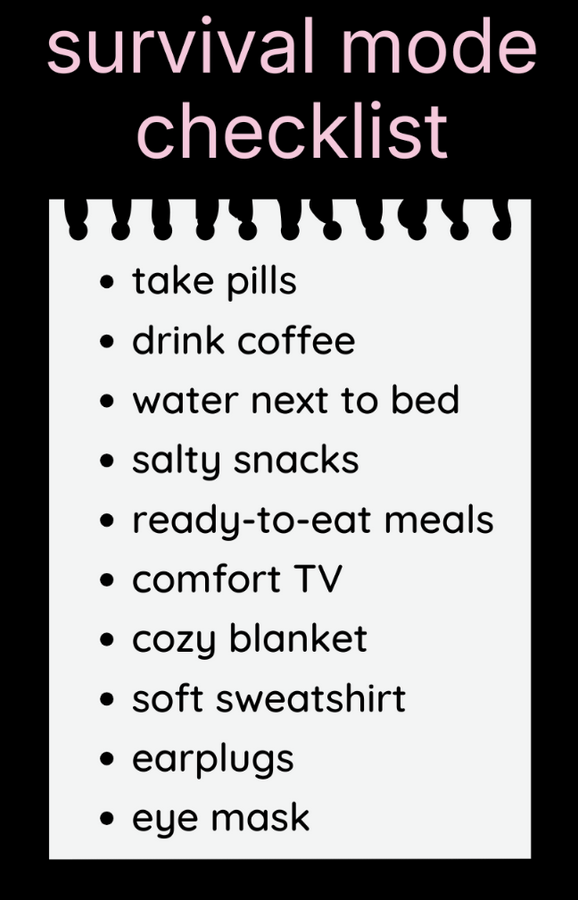
Even on the best days, chronic illness makes life into a constant juggling act. To avoid crashing and burning, which can trigger a flare (when symptoms worsen for days or even weeks), I need to pace myself.
The phrase “pace yourself” is fairly common, but in spoonie circles, pacing is a deliberate plan, crafted through the balancing of many factors: time of day, the weather, upcoming events. It requires knowing how your body will react to changes in barometric pressure, how many hours of recovery time you need for each activity, whether your brain fog is most likely to lift in the mornings or the evenings. And, of course, even creating such a plan requires time and energy, draining a battery that’s already depleted.
Even when fully charged, my battery sits at around 35%. In other words, I can do about one-third of what a “normal” person manages throughout the day. The rest of the time, I’m dealing with debilitating fatigue — one that can’t be alleviated by coffee or even sleep — aching, throbbing, burning muscles, or the dreaded “fibro fog,” under which I cannot easily process information, can’t remember the last sentence I read, can’t find the words I’ve spent so much of my life spinning into pretty sentences.
One recommendation is that I make a list of what I need to get done that day, then cut it by half. Half. Half. Otherwise, I’m going to crash, and then it’s back to that survival checklist.
Because my current fibromyalgia rating is around 35, if I have a list of ten items, I’ll circle four. If I finish those, I might try to add something simple, like saying hi to a friend or checking on a few plants.
Chronic illness grief is very real — yet it’s something that is only just starting to be widely discussed in spoonie spaces, and it’s certainly not well understood by those not dealing with an unrelenting, unending illness. Depending on the day, I grieve the loss of my professional aspirations, the loss of friendships I can’t devote the necessary time to maintain, the loss of future dreams of travel and adventure.
One constant, though, is that I always regret that I cannot do more to change the world.
As a peacebuilder, I’ve chosen to commit myself to taking nonviolent action that helps restore broken relationships and dismantle oppression, so that all parts of this world can flourish. Often, peacebuilding falls into certain categories: working with a local organization to create specific change in a community, organizing events that raise awareness or promote action, pursuing justice by petitioning policymakers, bringing together opposing groups in hopes of moving toward reconciliation.
At this point, many of these typical change-making processes are out of my reach, given that I rarely know how I’ll feel hour to hour, much less day by day.
That’s why I’ve been looking into examples of creative resistance. Turns out, there are a number of ways to counter injustice and oppression that won’t cause my brain to fill with fog or my body to shut down entirely. For me, creative resistance might look like reading, editing, crafting, or gardening. For others, it might be singing, teaching, cooking, drawing, programing, illustrating, babysitting, performing, researching, preaching, podcasting. . . the list goes on and on and on.
I know I’m not alone in wondering what I can do to push back against the waves of violence and harm engulfing the globe.
Many of you (8 million!) attended the No Kings rallies on March 28. What now? It is essential to continue resisting fascism, protesting illegal detentions and deportations, and calling for an end to war. But you, too, might be trapped by your body, unable to regularly attend events, or by your mind, which might shut down when surrounded by lights and noise and smells. That’s where creative change-making comes into play, reminding us that there’s a wealth of ways all of us can work toward a more just, peaceful, flourishing world.
I invite you to join the Graceful Punks Book Club on Saturday, April 25 at 3pm ET/9pm CET for a virtual discussion about different ways to take action, making the best use of our time and talents while honoring our own needs and limits.
You can find a list of suggested books here—and feel free to add your own ideas to the pile! Regardless of what you’ve read, or even if you’ve read at all, you are welcome to join this space, a place to share knowledge and learn from one another. And, fingers crossed, find a little hope and a bit of joy along the way.
Reading is resistance. Taking what you’ve read and sharing it with others? That’s resistance multiplied.
Join the Graceful Punks Book Club. Amplify resistance. Multiply hope.
This blog was originally posted at https://substack.com/home/post/p-192511062
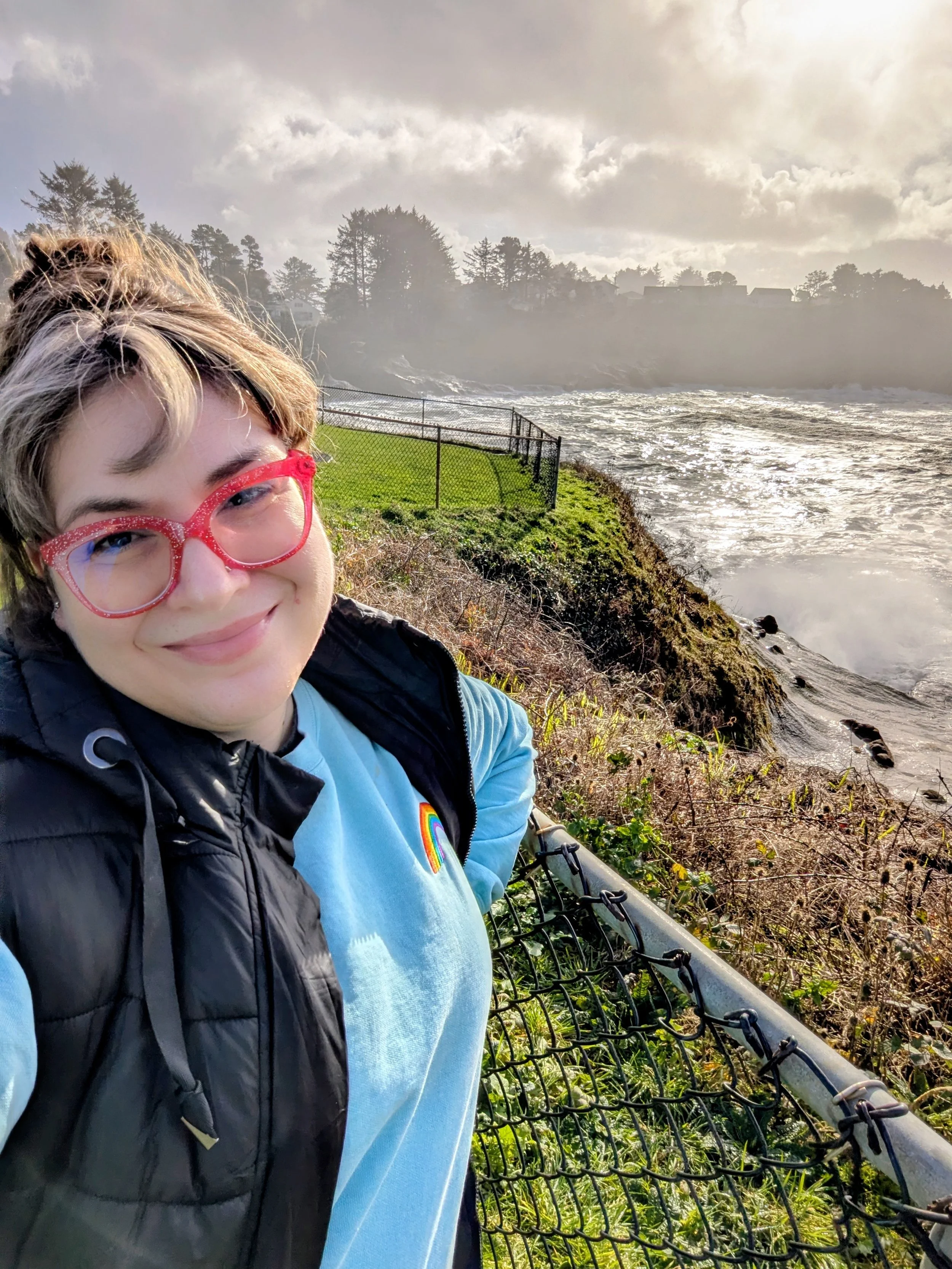
Kirsten Schlewitz is Peace Catalyst Peacebuilding Educator, Digital Activist, Community Builder, and Creation Care Specialist in Belgrade, Serbia. She educates current and future pastors and church leaders on how peacebuilding can bridge their congregations’ spiritual practices, and she also engages in digital ministry to help Christians adopt peacebuilding as a way to live out their faith. Learn more about Kirsten here.