Advent 2025 - Hope: Prophetic Imagination Under Empire
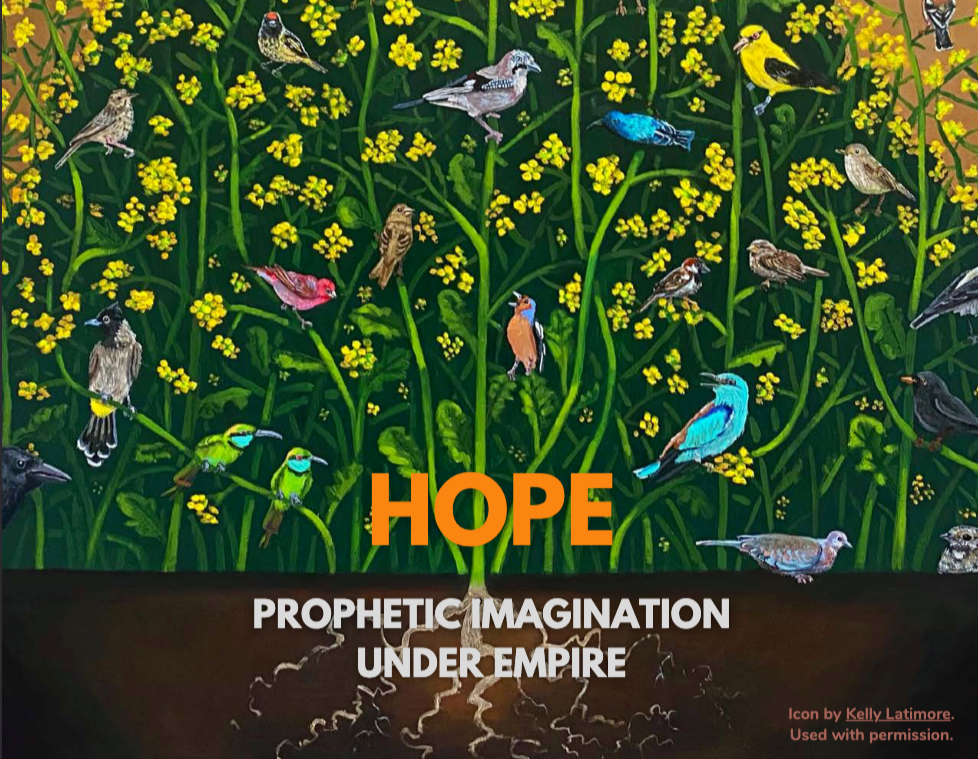
Advent begins this Sunday, and this week's Advent theme is HOPE.
Today, hope often sounds like wishful thinking. We use the word to describe personal aspirations, feelings, or a positive outlook: "I hope things get better." "I hope for a good year." "I hope this works out." This modern hope comforts but rarely confronts; it waits for circumstances to change instead of joining God in changing them.
But biblical hope is not optimism. It's born in the midst of despair—in exile, under empire, among people who have every reason to give up. When the prophets spoke of hope, they were not soothing the comfortable but awakening imagination among the powerless. Isaiah’s words—“The people walking in darkness have seen a great light” (Isa. 9:2)—were written not in stability but under occupation. The promise of a child born and a government of peace was a political impossibility in a world ruled by Assyria and later Rome. Therefore, hope for the early prophets was not a naïve belief that things would turn out fine. Instead, it was defiant imagination that, despite their current situation in exile and in occupied lands, God was the true king and God would make all things new.
So when we light the candle of hope, we are not expressing confidence in ourselves or our systems. We are bearing witness to a promise: the light shines in the darkness, and the darkness has not and will not overcome it.
Advent hope is not optimism; it is resurrection imagination.
SUGGESTED PRACTICE: SEE AND IMAGINE
Advent hope begins with noticing what is happening today and imagining what could change for the better—the first steps toward God’s future of healing and flourishing. Each day this week, name one small place where you see a light of hope breaking in—an act of kindness, forgiveness, or courage—and thank God for it.
Want more?
Our full Advent devotional is available on our website, so you can access it anytime. Get the full devotional here, and feel free to share it.