
At Peace Catalyst, we do this thing - which we would love others to reproduce around the world - called Peace Feast. We've got two events coming up in Phoenix, so we thought we'd take this opportunity to share a few blog posts about what Peace Feast is, what the vision for it is, and how it got started. So for today, what is Peace Feast?
The Peace Feast is a movement of “dinner clubs,” frequently gathering at ethnic restaurants in order to learn about other cultures, enjoy good conversation, and seek the flourishing of their local and global community.
Each group that launches a Peace Feast will organize regular gatherings (usually monthly) at an ethnic restaurant. Some groups may want to focus on one restaurant, while other groups may want to rotate between restaurants. The organizers will invite musicians, speakers, artists, or other presenters who will help people experience some aspect of the culture or some global issue.
The Two Goals of Peace Feast
1) To give people a taste of other cultures and to learn about their global neighbors.
2) To financially support ethnic restaurants as a gesture of love and an affirmation of their presence in the community.
How you can start a Peace Feast
We would love to help you start a Peace Feast in your area. Contact us and we will send you a Leader’s Guide that will help you get Peace Feast started in your city.

In this work, I’ve seen how a shared meal can become a foretaste of the Great Feast Jesus spoke of. A table becomes a space where walls come down and the Kingdom comes near. In a broken world, breaking bread together becomes a revolutionary act. It’s a way of bearing witness to God’s love, awakening to the possibilities of reconciliation, and empowering others to join in the work of peace.

When people ask, “What does Peace Catalyst do?” I typically say, “We create safe spaces for people to get to know each other.” Usually that means getting Christians and Muslims in the same room, but over the years that has expanded to other groups joining us too. When storms come and people start saying hateful things about those we’ve met and care about, perhaps we won’t be led down a path of hate and isolation. Perhaps we’ll have friends in this demonized group and will feel compelled to nuance the arguments. Perhaps we’ll be brave enough to stand with the marginalized and defend them. Perhaps we’ll catalyze peace.
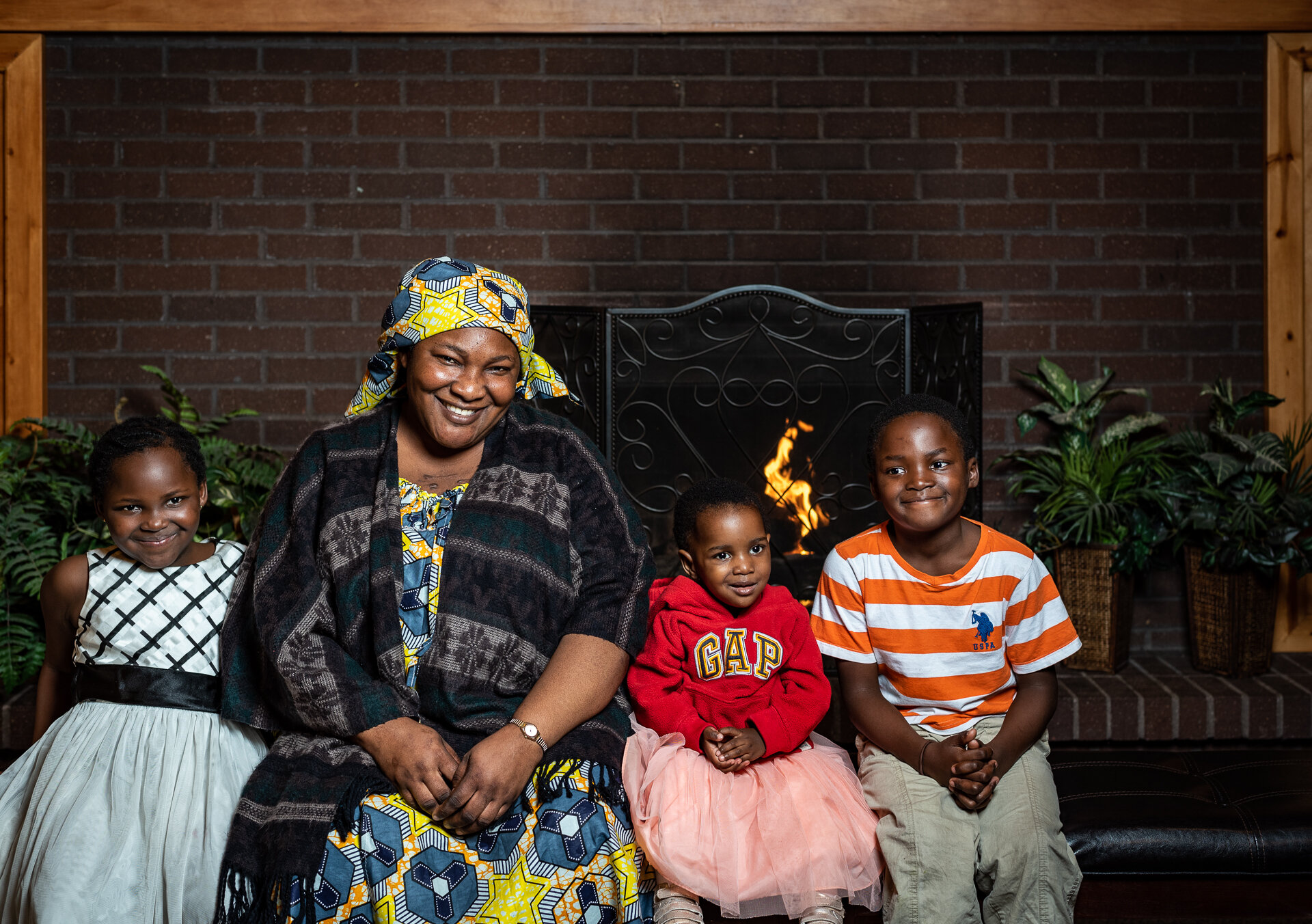
It’s a diverse community with the potential for dangerous divisions. But it’s this very diversity that is bringing people of different faiths and all walks of life together. A major refugee resettlement city, Boise is home to new Americans from around the world, a majority of them Muslims, and Peace Catalyst peacemakers Nick and Laura Armstrong are at the heart of local efforts that are bringing community members together in deep and perhaps unexpected friendships.

You’ve already taken the steps to plan your Peace Dinner and you’re equipped with our 5 tips for hosting successfully, but you may still find yourself feeling nervous or unsure about any number of elements of your peace dinner. Here are answers to a few questions you might have.

So you’ve got your peace dinner planned, and people will be at your house in a few hours. What will make you a good cross-cultural host? The following 5 tips will give you a good start.

You can help us set the table for peace in 2018! By bringing Christians, Muslims, and others to the table, you help create peace in our world by dissolving stereotypes, bridging divides, and turning fear into friendship. Here's how...

Peace Catalyst works in cities and neighborhoods across the U.S. to promote understanding and peace between Christians and Muslims, and one of our most recent events was a Peace Feast in San Diego.

This week's Peace Feast at Hoyo's Somali Kitchen in Columbus was a great success! We ended at 9pm and by 10:30pm we still had people talking and laughing and enjoying one another, and we've gotten responses like, “this was the best conversation I’ve had with a stranger in a while,” and “I really made friends Saturday night!” Others who weren't able to attend have asked for another event soon.

When trying to understand the perceived “other,” it’s important to be cautious about single-story narratives (i.e. “just watch a 4-minute video on YouTube to know the truth”) and information from mass media and to instead get to know real people in real relationship. That’s why we do what we do.

This is the question one couple asked Peace Catalyst's Kelly Perry before a recent Peace Feast in San Diego. It may be a question this particular couple asked, but it's definitely a sentiment that many people have when attending Peace Feasts or other Peace Catalyst events that involve meeting or interacting with Muslims for the first time.