
Shalom Undone: Sin, Death, and the Cycles of Harm that Enslave Us
This article is one of several written by a Peace Catalyst International staff team in order to articulate the centrality of shalom (which is also one of our organizational core values) in how we understand God's work in the world and our calling as Christians. To view this article as a pdf, click here. For previous articles, see What We Mean By Shalom and Shalom in the Biblical Narrative.
Beyond Guilt: Recovering a Biblical Vision of Sin
For many, sin is an uncomfortable topic, one that evokes guilt, shame, or even avoidance. Within much of the Christian tradition, sin is often framed as a list of personal moral failings—lying, greed, lust, or anger—reducing it to a running tally of personal mistakes. Salvation, then, is commonly understood as God’s forgiveness for these moral failings and a guarantee of one’s place in heaven after death. For many, this moralistic definition of sin—and corresponding understanding of salvation—feels narrow, even troubling. It reduces faith to a transactional system of guilt and pardon and leaves in its wake unaddressed questions about why, if sin is about the personal misdeeds of individuals, the world is still so very broken.
But what if this individual, moralistic understanding of sin is not only incomplete—but fundamentally at odds with the Bible’s vision of sin and salvation?
A closer look at the biblical picture of sin reveals a more expansive and sobering view: sin is not simply a matter of wrong choices but a condition that shapes our world and our lives.1 It is something we are caught in—a web of distorted relationships, harmful systems, and inherited patterns of thought and behavior. Sin includes not only our harmful actions but also the ways we are entangled in what is broken, even when we are unaware or passive. It’s not just what we do—it’s the water we swim in, the atmosphere we breathe.
In this light, sin is not merely a personal failing—it is a force that distorts what God created for wholeness. It corrodes God’s shalom/eirene, the just and life-giving peace that God intends for all creation. And this distortion is not just external; it takes root within us, shaping our fears, desires, and relationships.
Jesus helps us see this more clearly. He did not come merely to forgive individual sins, but to confront the forces that enslave and deform human life. He challenged cultural norms, disrupted unjust systems, and exposed the spiritual and social dynamics that keep people trapped in fear, pride, self-preservation, domination, and violence.2 His life and teaching point toward a much broader vision of salvation—not limited to forgiveness or future rescue, but centered on God’s present, ongoing redemptive work to heal what sin has fractured and liberate creation from all that distorts and destroys God’s abundant life. This is the peace of God’s reign: a world made whole where people and communities flourish in justice, love, and restored relationships.
To explore this more fully, this paper introduces three peacebuilding insights that help reframe our understanding of sin in ways that are both biblically faithful and spiritually liberative:
- The Sin Triangle – Sin is not only personal, but also structural (systemic) and cultural (ideological).
- The Sin Cycle – Sin functions like a spiral of violence that entraps people and societies in repeated harm.
- The Sin-Death-Powers Matrix – Sin is fueled ultimately by our fear of death and our deep desire to survive, remain in control, and be held in high regard.
When we begin to grasp the scale and complexity of sin—not just as personal wrongdoing but as something that entangles individuals, communities, and systems—we also begin to see the broader scope of God’s saving work. It is not merely about freedom from guilt, but the healing of all that sin distorts. This shift clarifies the meaning of Christian discipleship, not as belief for escape, but as training in the way of Jesus—formation to join God’s liberating, peace-restoring mission in the world. It also reshapes our witness, inviting us to participate in announcing and embodying the in-breaking of God’s holistic and just peace.
The Sin Triangle: Direct, Structural, and Cultural Sin
In his work, peace scholar Johan Galtung describes a “violence triangle” made up of three interconnected types of violence.3 Direct violence is visible with a clear perpetrator, Galtung contends, while structural and cultural violence are unseen or “invisible” forms of violence.
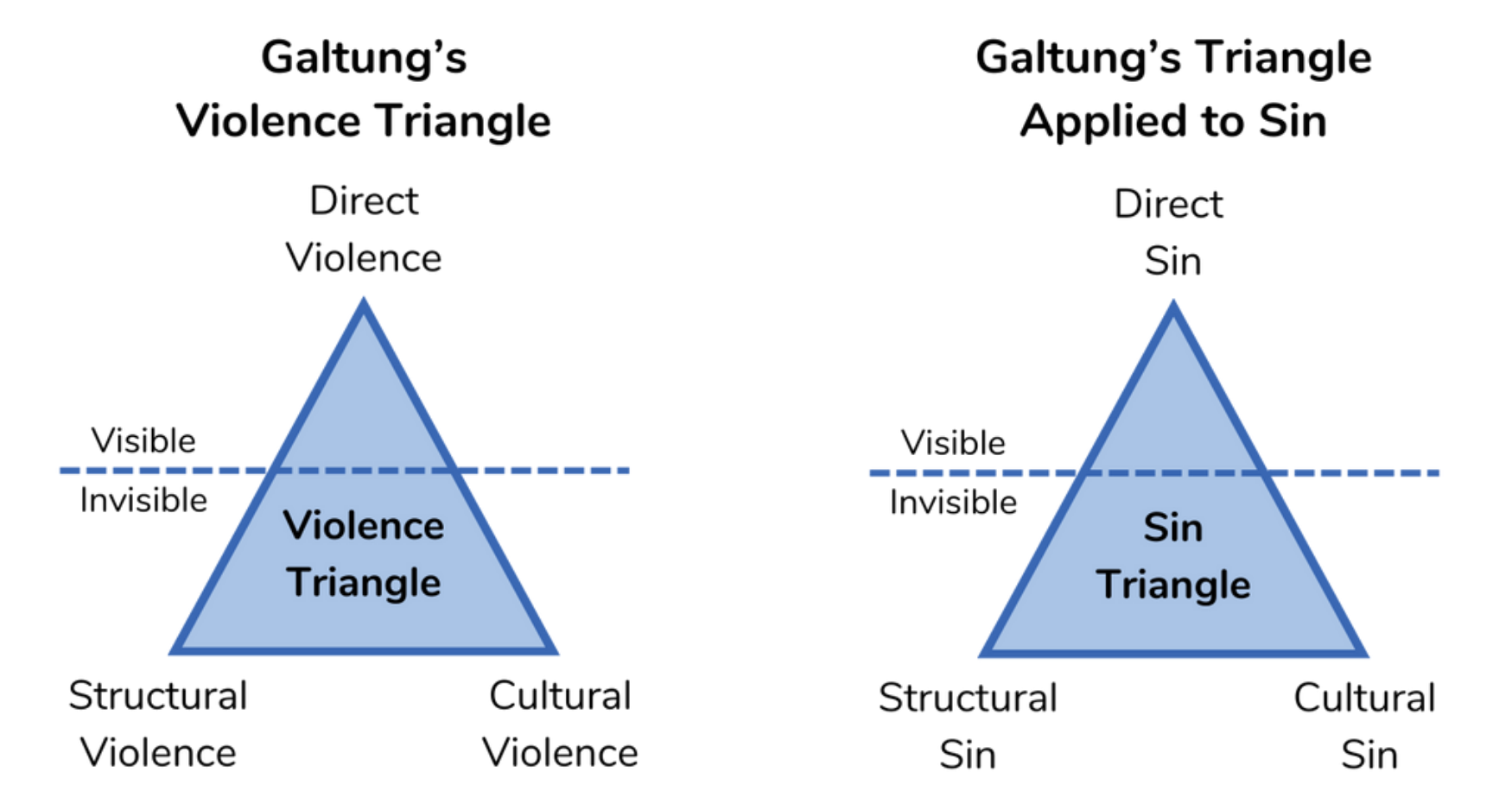
Figure 1. Galtung's Violence Triangle Applied to Sin
We can apply this same model to sin:
- Direct Sin – Individual actions or omissions that harm ourselves and others (e.g., lying, hatred, greed, or complicity in structures and cultures of sin).
- Structural Sin – Social systems that perpetuate injustice (e.g., economic exploitation, racial oppression, religious discrimination).
- Cultural Sin – Beliefs and narratives that normalize, legitimize, or glorify sin (e.g., religious legalism, ethnic or religious supremacy, nationalism, materialism).
Jesus’ ministry reveals how all three facets of sin operate in cooperation with one another.4 In peacebuilding training sessions with Christian groups, participants often point to Jesus’ interactions with the Pharisees. The Pharisees were fixated on direct sin—condemning individuals for breaking religious laws. But Jesus exposed structural sin—how their legalism oppressed the poor and excluded sinners from community (Mt. 23:23-28). He also confronted cultural sin—the way their traditions had distorted God’s intentions (Mk. 7:6-13).
A striking example of the sin triangle in action is Jesus’ response to the woman caught in adultery (Jn. 8:1-11). The religious leaders condemned her direct sin, but Jesus redirected their focus to the structural and cultural forces at play: a patriarchal system that disproportionately punished women, a mob using her as a pawn, and a religious culture more concerned with punishment than restoration. Notably, while Jesus does not dismiss her direct sin, he is much more interested in confronting the direct sin of those in power—leaders who wielded power over structures and traditions to crush the vulnerable rather than seek justice and mercy.
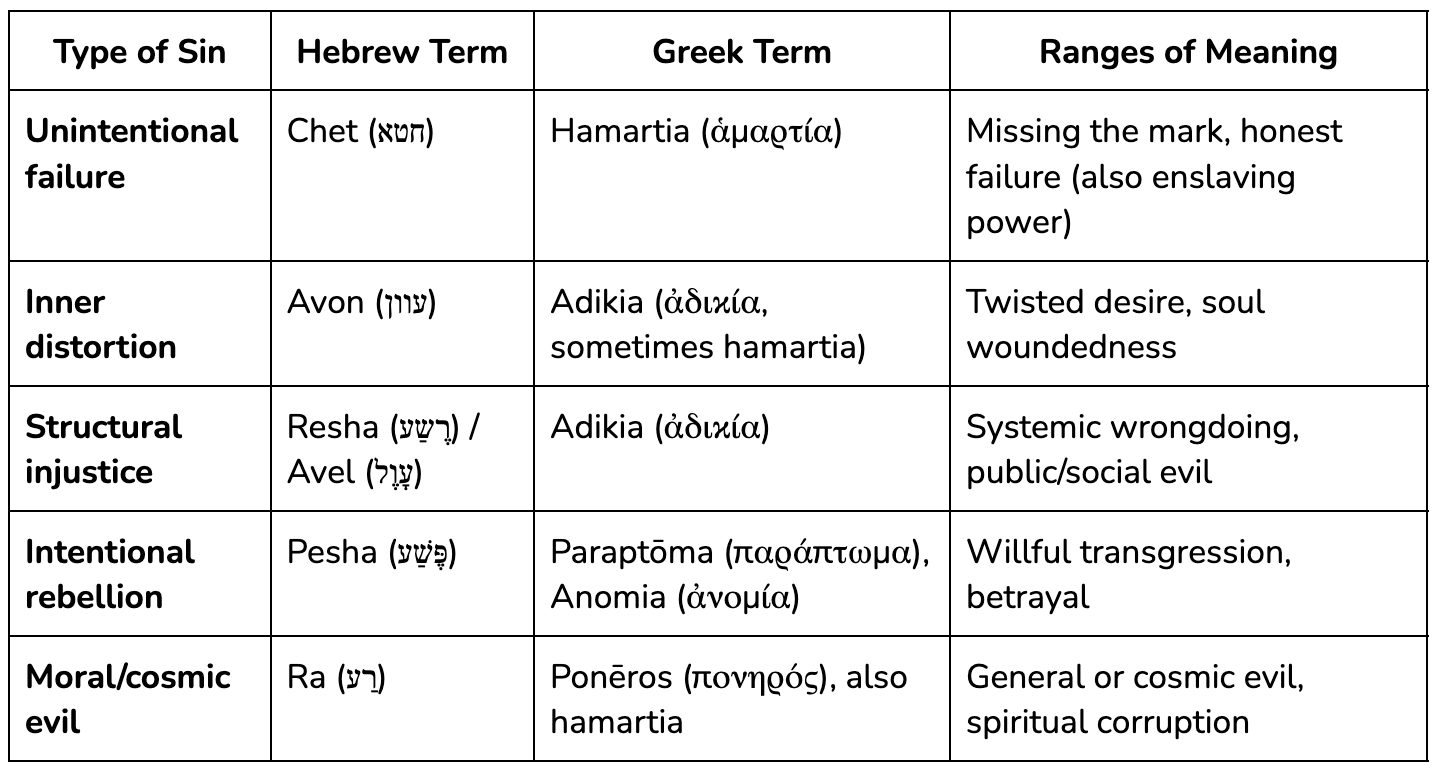
Table 1. Hebrew and Greek Words for Sin
Grasping this scale and complexity of biblical sin moves us beyond fixation on individual guilt, which often produces shame and self-loathing, and helps us see how people are caught in a larger web of brokenness that God wants to confront, liberate us from, and heal us out of. Put differently, Galtung’s triangle gives us a visual framework, while the Hebrew and Greek words for sin provide the theological vocabulary, together opening our eyes to the depth and breadth of what Scripture means when it names sin.
The Sin Cycle: A Spiral of Harm
The work of Eastern Mennonite University’s Strategies for Trauma Awareness & Resilience helps aspiring peacebuilders understand cycles of violence and harm.5 We can apply those same insights to our understanding of sin as more than individual wrongdoing; it is a cycle of harm that entraps people and societies.
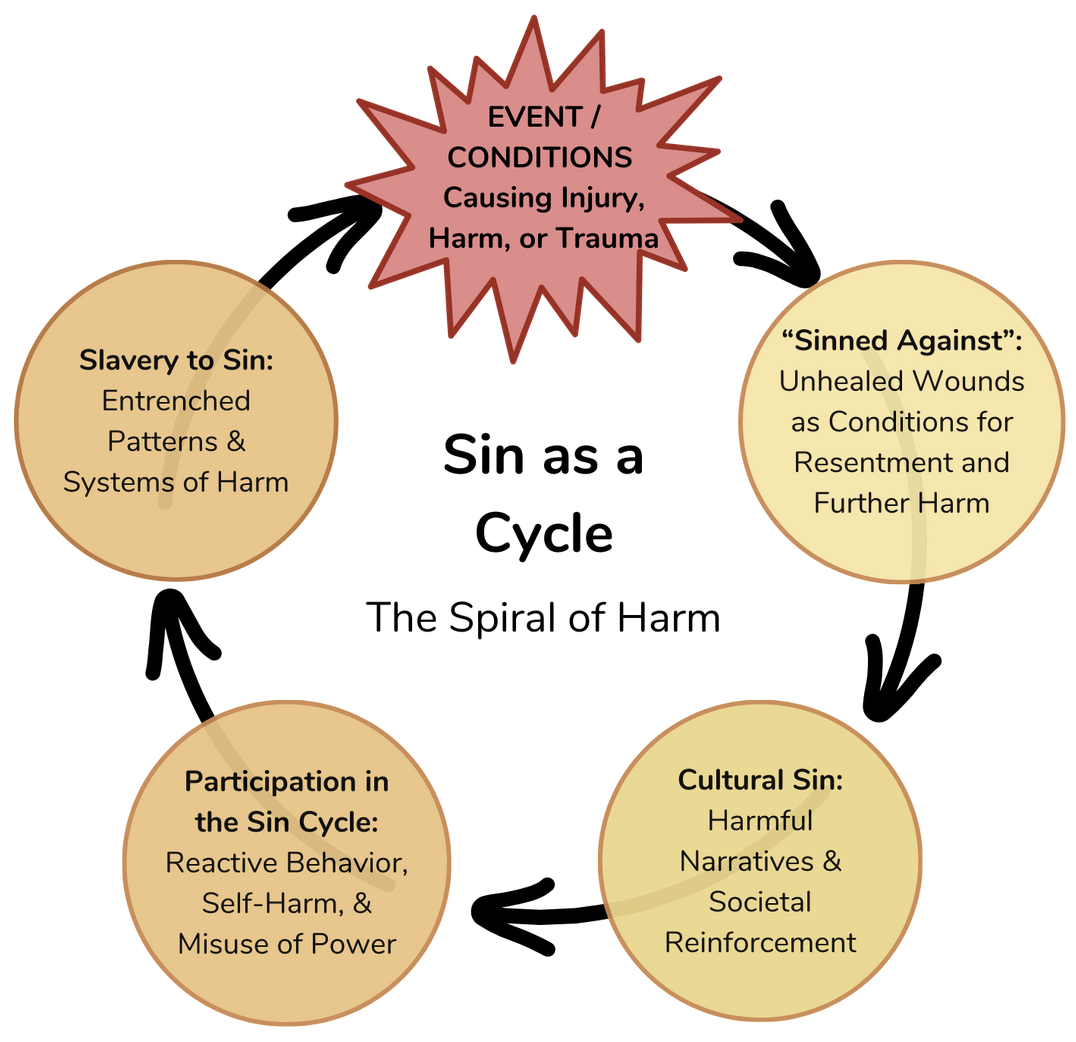
Figure 2. The Sin Cycle: A Spiral of Harm
Using the story of Joseph and his brothers (Genesis 37–50) as a case study, we can see how sin spirals.6
- Event / Conditions Causing Injury, Harm, or Trauma
Cycles of sin rarely start with us; they almost always begin with inherited wounds. Sometimes these wounds come in a single moment, and sometimes they build up through persistent patterns. As the saying goes, “We didn’t start the fire.”7
In Joseph’s family, the cycle begins long before the brothers act. Jacob openly favors Joseph, the firstborn of his beloved Rachel, over the sons of Leah and the concubines. Patriarchy also shapes these dynamics; the rivalry between wives is played out in the lives of their children. By the time we meet Joseph, resentment has already been seeded.
What appears to Joseph as betrayal by his brothers is, for them, the boiling over of years of rejection by their father. Their envy and Joseph’s arrogance are symptoms of a family system shaped by favoritism and bitterness. Trauma is always multilayered: some of it inherited, some of it freshly inflicted, all of it feeding the spiral.
- Sinned Against: Unhealed Wounds as Conditions for Resentment & Further Harm
The experience of being sinned against—through injury, betrayal, trauma, systemic injustice, or generational harm—leaves deep wounds, and unhealed wounds create the conditions for further harm. Joseph’s brothers feel overlooked and unloved by their father, and their resentment festers into bitterness. Rather than addressing their pain constructively with their father, they turn it toward Joseph.8
Although Joseph is traditionally seen as the hero of the story, he is not innocent. He flaunts his status, recounts dreams of superiority, and seems to stoke resentment. The story begins not with a pure victim and villain, but with a family dynamic distorted by favoritism, arrogance, and pain—a web of avon (inner brokenness) and chet (unintentional failure), which culminates in pesha (betrayal, direct harm).9
- Cultural Sin: Harmful Narratives & Societal Reinforcement
Unhealed wounds are often reinforced by cultural narratives that justify resentment, superiority, despair, or domination. These narratives build on the original trauma, shaping cultural myths of scarcity, exclusion, and dehumanization. Over time, they erode self-worth and agency, making individuals more vulnerable to both self-destructive and dominating behaviors.
Instead of confronting their disappointment and anger at being slighted by their father, Joseph’s brothers justify their betrayal: Joseph is arrogant. He deserves this. Their betrayal becomes easier to rationalize. Meanwhile, the Egyptian system that enslaves Joseph treats hierarchical oppression as normal. All these stories are examples of cultural sin—what the Bible might call anomia (lawlessness) or ponēros (deep-rooted evil)—where distorted narratives justify harmful actions and prop up unjust systems.
- Participation in the Sin Cycle: Reactive Behavior, Self-Harm, & Misuse of Power
When people are wounded, they often respond in ways that deepen the cycle of harm. This can take the form of acts out—direct harm done to others—or acts in—self-destructive responses such as despair, isolation, or internalized shame. Both are forms of active participation in the sin cycle.
Joseph’s brothers embody the first pattern. Instead of bringing their pain to their father, they lash out at Joseph—plotting his death before finally selling him into slavery. Their wound of rejection becomes an act of betrayal. Later, Joseph himself mirrors this pattern. Elevated to a position of immense authority in Egypt, he does not resist the logic of empire but wields it against the vulnerable. During the famine, he sells back to the starving people their own grain—the harvest he had stored away during the seven years of plenty. Step by step, Joseph strips the people of their money, livestock, land, and finally their freedom (Gen. 47:13–21). This is not quiet complicity but an active misuse of power: Joseph personally oversees decisions that enslave an entire population.
This reveals how easily trauma that is not transformed can be transferred to others.10 What began with Joseph as a wound of betrayal becomes an act of betrayal against others. Pesha (willful transgression) piles on top of avon and chet (distorted desires, failures, and wounds), reinforcing the spiral of harm and pushing it toward systemic resha or adikia (public and institutionalized evil).
- Slavery to Sin: Entrenched Patterns & Systems of Harm
Cycles of harm continue as sin becomes institutionalized, shaping laws, economies, and cultural beliefs that sustain oppression rather than address its root causes. Even those who are not actively harming others often remain caught in or benefit from these structures, whether by omission, acceptance, or resignation. Injustice becomes embedded in communal narratives and societal structures, making it harder to break free from.
What begins as sibling rivalry becomes a generational legacy. Pharaoh gains unprecedented wealth and power while ordinary Egyptians lose everything, including their freedom. Joseph’s descendants, who benefit from the empire’s favor, eventually become its targets (Exod. 1:8–14). Ironically, but not surprisingly given how the cycle of sin works, this pattern of domination and oppression that Joseph helps establish ultimately traps his own descendants.11
The story of Joseph warns us that sin is not just about individual choices but about patterns of harm that become deeply entrenched in relationships, societies, and institutions. What begins as a personal wound can ripple outward, shaping economies, politics, and entire societies. This is hamartia at work—not just “missing the mark,” but a power that enslaves, as Paul describes (Rom. 7:14–24). Just like the Egyptians in famine, and later the Israelites under Rameses, we too are enslaved by cycles of harm and sin that have long spiraled beyond us as individuals.
The Fear of Death: How Sin Entraps Us
If sin is a cycle of harm in which we are both crushed and complicit—caught in webs of personal, structural, and cultural sin—then what keeps this cycle going? Psychologist and theologian Richard Beck argues that the engine is fear—specifically, the fear of death.12
- Fear of death fuels greed—hoarding resources to feel safe.
- Fear of death fuels violence—lashing out and attacking others to protect oneself.
- Fear of death fuels oppression—clinging to power to avoid vulnerability.
Hebrews 2:14-15 proclaims that Jesus came to “destroy the one who holds the power of death—that is, the devil—and free those who all their lives were held in slavery by their fear of death.” Beck writes, “Fearing death, we act in various ways that are prompted by needs for self-preservation . . . Mortality fears create our sinful actions and attitudes.”13
Many Christians have been taught to see sin as the primary problem—“the wages of sin is death” (Rom. 6:23). But Beck draws attention to an older and equally biblical insight: “the sting of death is sin” (1 Cor. 15:56). In this view, it is not just that sin causes death, but that our fear of death fuels sin. Death becomes the venom that poisons our lives with anxiety, selfishness, rivalry, and domination.
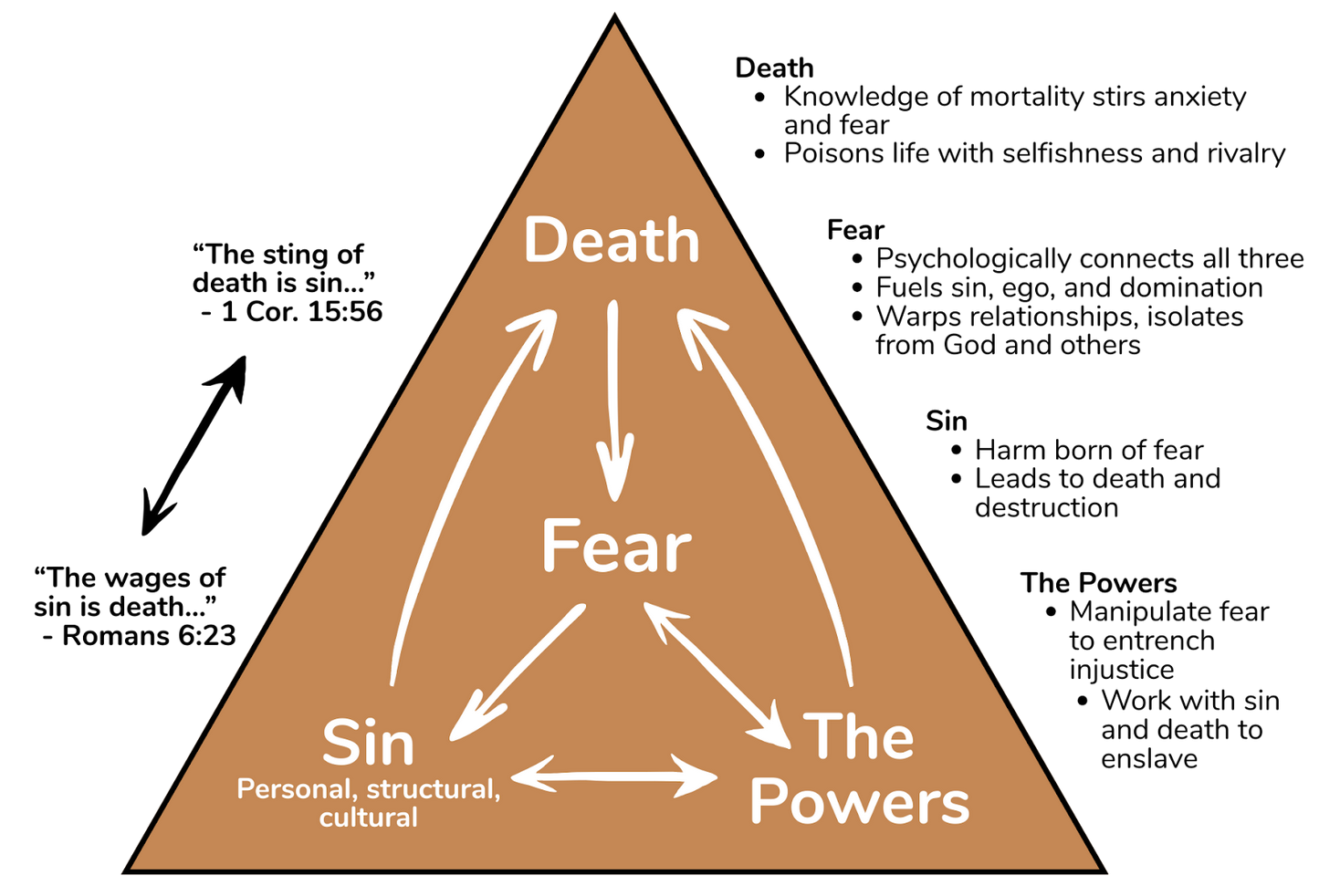
Figure 3. The Sin-Death-Powers Matrix
This is not a modern psychological theory—it’s a deep thread in early Christian theology. In the fourth century, St. John Chrysostom famously preached:
“He who fears death is a slave and subjects himself to everything in order to avoid dying . . . But he who does not fear death is outside the tyranny of the devil.”14
These insights reveal a deeper matrix of bondage—where sin, death, and the oppressive “powers” (Eph. 6:12) work together to trap us in fear, entrench injustice, and isolate us from God and one another. This is not just a theological idea but a deeply practical one. If we focus only on managing sin, we miss the deeper work of casting out fear—which is at the heart of our faith and peacebuilding. As 1 John 4:18 reminds us, “Perfect love casts out fear.”
This fear takes many forms. Sometimes it’s a raw fear of physical danger, as when Peter, terrified for his life, denies knowing Jesus three times.15 His failure isn’t driven by malice, but by the primal instinct to survive. At other times, fear arises from wounded pride or the need to be esteemed and affirmed, like Cain, whose offering was not accepted.16 Jealous and humiliated, he kills his brother rather than face his own woundedness.
Both stories show how fear warps our relationships—causing us to lie, lash out, or dominate. When we do so, we remain in bondage to fear and our primal instincts, unable to love fully or act justly. We remain enslaved to sin.
But the gospel proclaims: we are no longer slaves to fear. Jesus breaks the tyranny of death and invites us into a new freedom—freedom from fear so that we may love boldly, live generously, and join Jesus’ work for healing, justice, flourishing, and positive peace. As Chrysostom preached, “He who does not fear death is outside the tyranny of the devil.”17
Beyond Guilt: The Liberating Power of a Bigger Gospel
If sin is not just a list of personal wrongs but a tangled web of relational, structural, and cultural harm—then it is a force that impacts every facet of our lives. And if that is true, then the gospel must be just as expansive. The good news cannot simply be about relieving individual guilt or assuring postmortem escape. That version of salvation, focused on sin management and heaven insurance, is far too small. It is a modern distortion of the gospel, one that bears the fruits of escapism, moral anxiety, and indifference to the suffering of the world.
A narrow moralistic view of sin leads to a legalistic gospel that fixates on guilt, often paralyzing people with shame or pushing them toward fragile, defensive “innocence.” It invites passivity, not transformation. This version of the gospel does not call us into God’s healing work; it sedates us while the world burns.
But a larger view of sin—a view rooted in Scripture and experienced in the cries of creation—changes everything. This view names not just what we have done, but what has been done to us. It reveals the ways we are all entangled in brokenness far bigger than ourselves. It honors the trauma we have carried, the injustice we have witnessed, and the complicity we have inherited. And it names it not to condemn, but to set us free. Naming the shadow—the fear, the domination, the cycles of harm—disarms its power over us.
In this light, guilt is not the goal. Guilt is insufficient, even counter-productive. What’s needed is awareness—the courage to see clearly—and the willingness to choose. There is no innocence here—only complicity or resistance, action or inaction, participation in God’s healing mission or blind allegiance to the status quo. This is what Jesus called people to over and over again: not to wallow in shame, but to follow him into a new way of being. The “sinners” he spent time with felt seen and freed. The power-holders who resisted his message were those unwilling to confront their complicity in unjust systems.
This broader vision of sin enlarges everything:
- It enlarges our understanding of the cross—not as appeasement for divine anger, but as the place where God takes on the full weight of our violence, fear, and death in order to break its power.
- It enlarges our understanding of salvation—not as escape, but as participation in God’s ongoing work of liberation and healing.
- It enlarges discipleship—not as learning the right beliefs, but as training in love, justice, and peace.
- And it enlarges the mission of the Church—not as a guilt factory, but as a community formed to embody liberation and repair.
This is why peacebuilding is central, not peripheral, to Christian faith. If sin is a force that shatters God’s shalom/eirene, then peacebuilding is what salvation looks like in public: casting out fear, dismantling injustice, healing wounds, and building communities where God’s justice and abundant life can take root.
Jesus has torn the veil. He has broken the power of death and set us free from the fear that keeps us trapped in cycles of domination and despair. And he invites us now—not someday—to join him in the restoration of all things.
This is the good news: the reign of God is near. The powers that enslave no longer hold the final word. Your sins—your complicity in this brokenness—are not being held against you. You are forgiven. And you are called to join in God’s mission to establish holistic and just peace. Every act of healing, every move toward justice, every choice to resist fear is a signpost of the new creation already breaking in.
Notes and References:
- The Bible uses multiple words to describe sin’s complexity: chet (missing the mark), pesha (rebellion), avon (distortion or inner brokenness), and others. These reflect unintentional failure, willful harm, and the inner and communal dynamics that perpetuate harm. For more, see Table 1 and reference Colossians 1:19-20, Romans 8:21, Isaiah 9:6-7, Ephesians 2:14-16, Luke 4:18-19. (back to text)
- See Matthew 21:12-13, Mark 2:16-17, Matthew 5:38-39, Luke 6:20-21, John 18:36, Acts 10:34-35 (back to text)
- See The Peacebuilding Practitioner, “An Analysis of Violence for Peacebuilders.” (back to text)
- For Biblical words for and categories of sin, please see footnote 1 and Table 1. (back to text)
- See in particular “Cycles of Violence” by Carolyn Yoder and the STAR Team at Eastern Mennonite University, based on the writings of Olga Botcharova, Peter Levine, Vamik Volkan and Walter Wink. (back to text)
- See Rene August, “Decolonizing the Ways We Read the Bible,” Christ at the Checkpoint 2024. (back to text)
- Billy Joel, “We Didn't Start The Fire (Official HD Video),” 1989. (back to text)
- For more examples of how people experience being “sinned against,” see how the Israelites suffered under structural oppression in Egypt, enduring forced labor and dehumanization (Ex. 1:11-14); Hagar, an enslaved woman, was mistreated and cast out, demonstrating how personal harm can force individuals into cycles of suffering (Gen. 16:6-7); Jesus himself lamented the oppressive systems that silenced prophets and perpetuated harm, longing to gather the wounded under his care (Mt. 23:37). (back to text)
- See Table 1 to see the range of overlapping meaning of various Hebrew and Greek words for sin. (back to text)
- Richard Rohr is often credited with this formulation, “Transforming Pain.” (back to text)
- For more examples about entrenched patterns of sin and systems of harm, see how Jesus confronted these realities when he overturned tables in the temple, exposing how religious and economic systems exploited the vulnerable (Mt. 21:12-13); the Tower of Babel demonstrates how human pride and power-seeking can lead to exclusionary systems that consolidate control (Gen. 11:1-9); the crucifixion of Jesus is the ultimate example of institutional sin—a sinless man condemned by a collaboration of religious, political, and economic powers seeking to maintain their dominance (Lk. 23:13-25). (back to text)
- Richard Beck, The Slavery of Death, Cascade Books, 2013. (back to text)
- Richard Beck, “The Slavery of Death: ‘He who does not fear death is outside the tyranny of the devil.’” (back to text)
- Richard Beck references Chrysostom in “The Slavery of Death: ‘He who does not fear death is outside the tyranny of the devil.’” See also, New Advent, “Homily 4 on Hebrews.” (back to text)
- See Matthew 26:69-75; Luke 22:54-62 (back to text)
- See Genesis 4:1-15 (back to text)
- See footnote 13. (back to text)