
This call is hosted by the Christian Peacebuilding Network (CPN), a multi-org group we helped found, and is part of a series of monthly conversations to help connect Christian peacebuilders and discuss themes related to peacebuilding and the Christian faith.
Many of us come to peacebuilding because we care deeply about reconciliation, justice, and healing. Yet religious systems have often done an excellent job of suppressing conflict while underpreparing people for it. We are taught that harmony means silence, that disagreement is disloyalty, and that conflict is a failure of faith or character. When conflict inevitably arises, we can find ourselves collapsing into avoidance, dishonesty, guilt, or shame—what looks like peace on the surface, but is often deferred rupture.
In this session, Mueni Mutinda and Sobia Ali-Faisal of Seed Room Consulting invite us to explore what they call “the work before conflict.” Drawing on their experience in equity and social justice work, they will help us examine the internal groundwork that makes authentic peacebuilding possible: understanding our own relationship to conflict, recognizing the ways trauma and insecurity shape our reactions, and learning to navigate difference with greater honesty and compassion. Rather than beginning with conflict resolution, this conversation asks a more foundational question: What foundations must be laid so that peacebuilding is not a Band-Aid on unexamined wounds, but a genuine practice rooted in honesty, compassion, and relational accountability?
Time:
3:00pm Central Europe & Central Africa (2:00pm UK & Western Africa, 4:00pm East Africa and Eastern Europe, 9:00am USA Eastern, 6:30pm India Time)
About Our Guests:
Seed Room Consulting is an equity and social justice practice founded by Mueni Mutinda and Dr. Sobia Ali-Faisal—a Christian woman and a Muslim woman, both on active journeys of engaging, questioning, and deconstructing the toxic dynamics embedded in the religious traditions they were raised in, love, and maintain complicated relationships with. Their work helps organizations, institutions, and communities navigate the messy, tender, and often avoided terrain of difference. Drawing on liberation theology, intersectionality, systems thinking, and somatic practice, they believe that genuine transformation requires both the head and the heart—that conscientization is not merely intellectual awakening, but something embodied, felt, and practiced.
Facilitators:

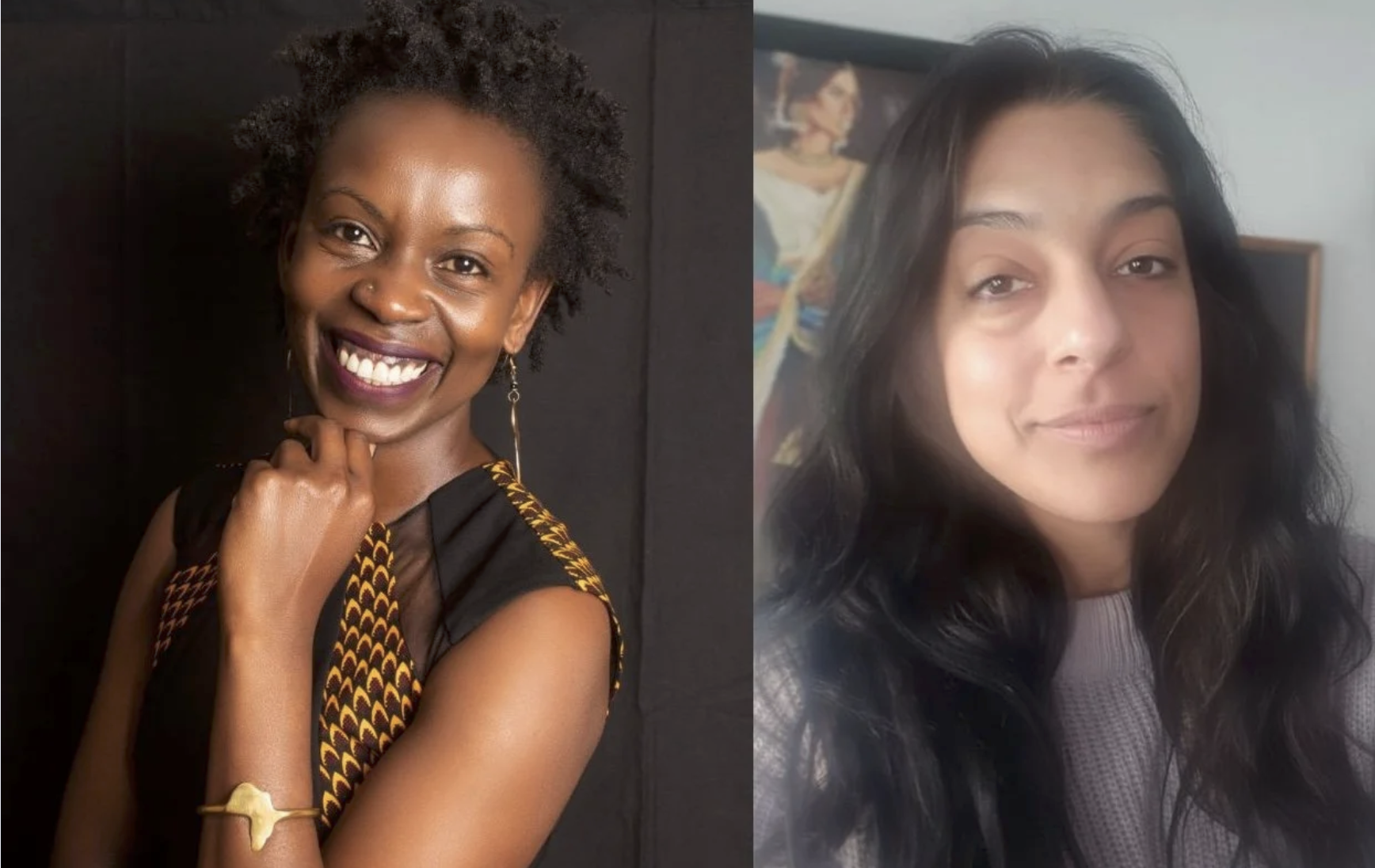
Mueni Mutinda
Mueni brings over 20 years of experience as an international development specialist, nonprofit leader and African Canadian immigrant who intimately understands the dynamics of power, belonging, and cross-cultural adaptation. Her work is rooted in relational accountability—the belief that transformation happens through the quality of our relationships.
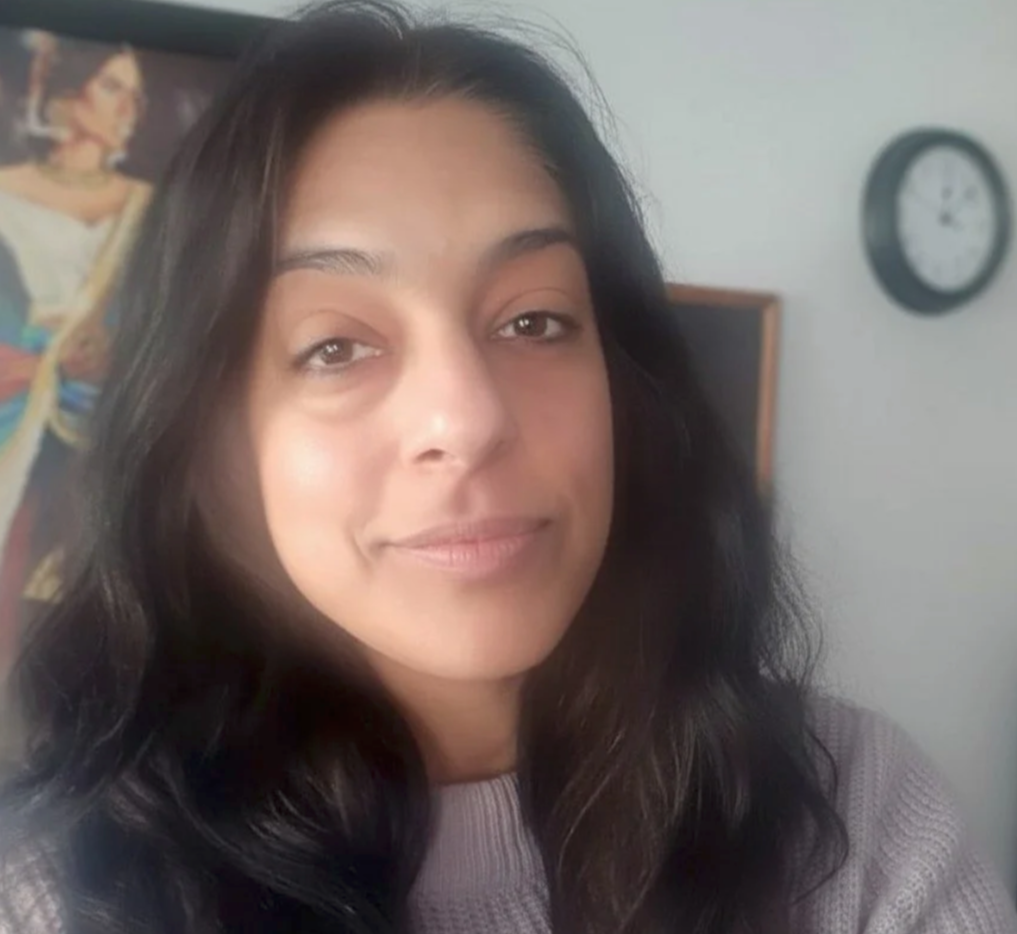
Sobia Ali-Faisal, PhD
Sobia brings the grounding of academic rigor as an applied social psychologist and researcher, combined with public health expertise and community-rooted activism. She has served as a Director of the Department of Equity, Diversity, Inclusion, and Human Rights (EDIHR) at the University of Prince Edward Island (UPEI) and Executive Director of BIPOC USHR, weaving together research and anti-oppressive practice to create lasting institutional change.