
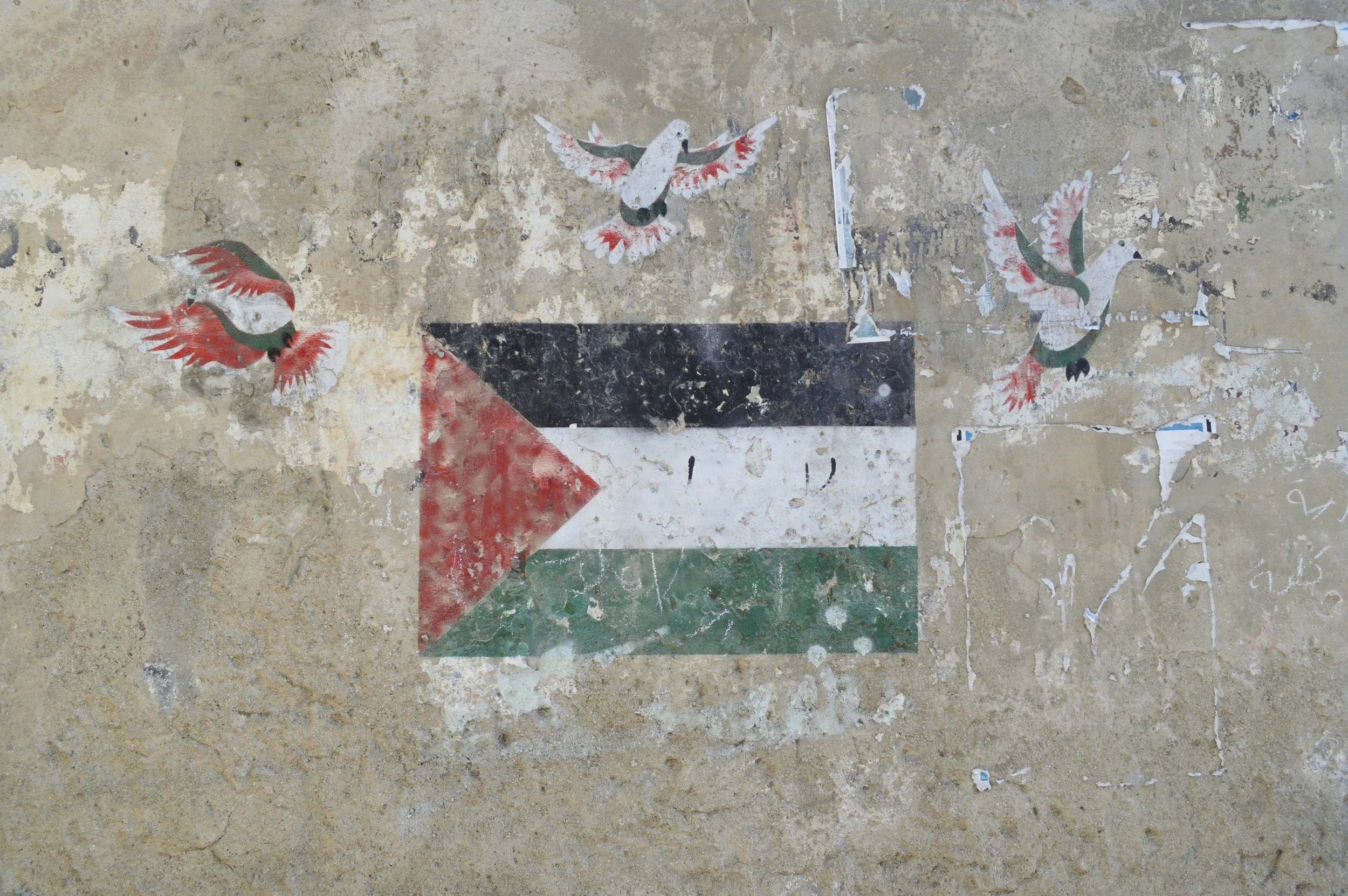
This call is hosted by the Christian Peacebuilding Network (CPN), a multi-org group we helped found, and is part of a series of monthly conversations to help connect Christian peacebuilders and discuss themes related to peacebuilding and the Christian faith.
For many Christians, questions about Israel and Palestine are deeply intertwined with how we understand Scripture, God’s promises, the church, justice, and the character of God. Yet Palestinian Christians have often found their voices marginalized or absent from these conversations. The Bethlehem Institute for Peace & Justice (BIPJ) seeks to change that by equipping the global church to listen, learn, and engage more faithfully.
In this conversation, Tony Deik will introduce us to BIPJ’s work—from conferences such as Christ at the Checkpoint and Church at the Crossroads, to trips to Palestine and media such as the Across the Divide podcast. He will share why this work feels increasingly urgent, not only in relation to Palestine, but for the church’s witness, theology, and discipleship more broadly.
Tony will also share about his work with Israel-centered theologies and the ways these theological frameworks shape how Christians understand God, Scripture, the land, and the people who live there. Together, we will consider what happens when particular theological assumptions become so deeply embedded that they shape our instincts about who God is for, whose suffering matters, and what kinds of violence or power we can imagine God endorsing—and what it might look like to recover a more Christ-centered imagination.
Questions to reflect on as you come to the meeting:
Why is this work urgent for the church—not only for Palestinians, but for Christians around the world?
Where have you encountered Christian theology about Israel and Palestine that seemed to shape people’s instincts before they had really examined the assumptions underneath it?
What might we learn from Palestinian Christians about reading Scripture, following Jesus, and pursuing peace in a context where theology has profound material consequences?
What happens to our understanding of God when our theology gives us a God who is primarily “for us” and against others?
How might our understandings of sin, salvation, the cross, violence, or biblical “chosenness” prepare us to accept some forms of domination or violence as legitimate?
Time:
3:00pm Central Europe & Central Africa (2:00pm UK & Western Africa, 4:00pm East Africa and Eastern Europe, 9:00am USA Eastern, 6:30pm India Time)
Facilitator:
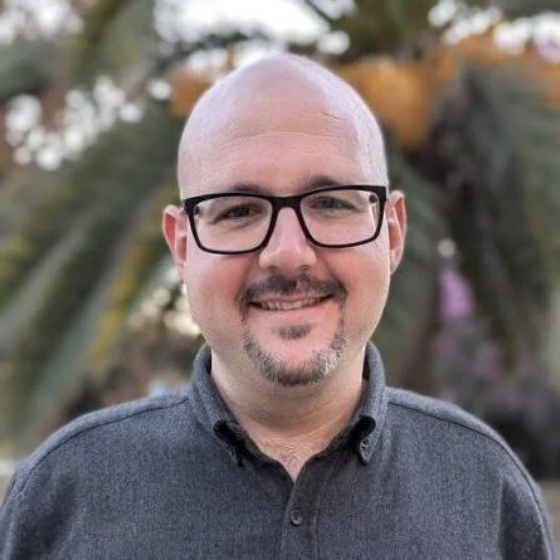
Tony Deik
Tony Deik is a Palestinian Christian theologian and biblical scholar from Bethlehem, Palestine, and Executive Director of the Bethlehem Institute for Peace & Justice (BIPJ). He holds a PhD in New Testament Studies from the University of Aberdeen with Trinity College, Bristol, and serves as a lecturer in Biblical Studies at Bethlehem Bible College and a Research Associate at the Centre for the Study of Bible and Violence in the UK. He is also Vice-Chair of the Board of the International Fellowship for Mission as Transformation (INFEMIT). His academic and ministry work focuses particularly on social justice, biblical theology, and the witness of the gospel in contexts of injustice. Through BIPJ, Tony works to help the global church recover a biblically grounded, Christ-centered, Kingdom-focused understanding of faith, justice, and peacemaking. His public teaching and writing particularly engage Christian Zionism, Israel-centered theologies, the relationship between justice and evangelism, and the ways Christian theology shapes the church’s witness in Palestine and beyond.