

How can religious tourism and peacemaking go together? After the dean of the College of Tourism & Management in Konjic, Bosnia attended our recent Catalyze peacemaking trip, my local colleague and I received an invitation to participate in the College’s Religious Tourism and Theology conference.
The dean’s personal vision for this conference, partially informed by the personal experiences she had with us at Catalyze only a couple weeks before, was to help foster connection between the Balkan region’s diverse ethnic and religious communities.
During an interactive panel, I had a chance to share briefly about the challenges of doing inter-religious tourism. In a place like Bosnia, where the negative impacts of division, conflict, and war are tangible, travelers can’t avoid being confronted with the violent past. When that occurs - for example, when a tourist or host community mentions how a religious building was destroyed or its people expelled during war - there is a choice about how to engage with the past, and to either contribute to peace or division. It’s natural to interpret stories from the past in order to show that “our community” is better than another: “they” are the savage aggressor and “we” are the innocent victim.
However, although it’s much more challenging to engage in self-reflection about the complexities of division and conflict, there is potential within religious tourism to do just that - to turn a point of challenge into an opportunity for peace building so that we can move together toward mutual understanding and a just peace.
This is true not only in Bosnia but around the world. Let’s be catalysts for peace not only in our own cities and neighborhoods but also as we travel and encounter the histories and stories of others. There are enough causes of division in the world. Let’s be people who make peace instead.
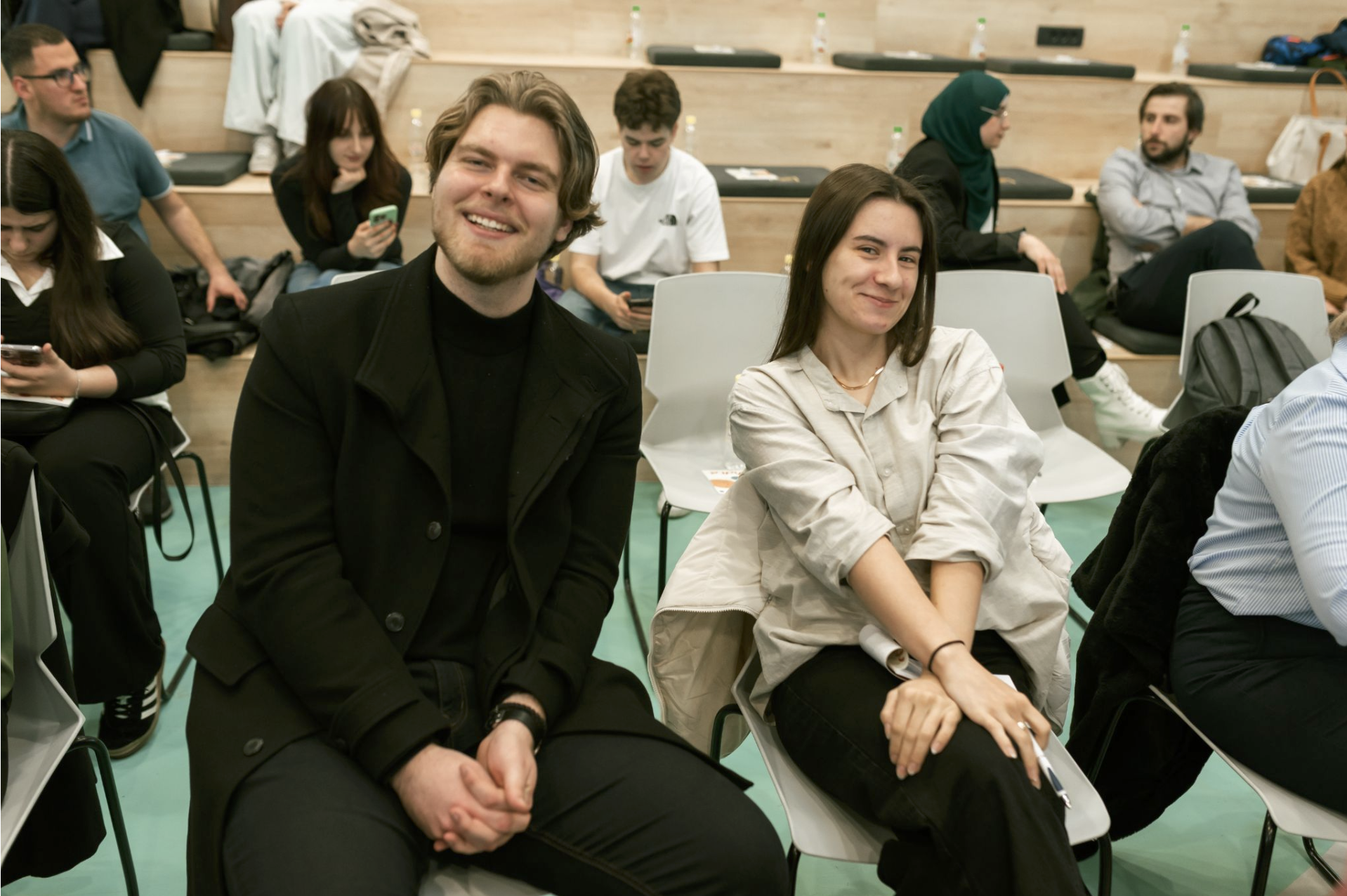
Peacebuilding is not only about responding to conflict when it happens. It is also about helping people develop the skills, confidence, and opportunities to address problems constructively; participate in decisions that affect their everyday lives; and shape their communities for good. Young people around the world are an incredible force for good but oftentimes lack the support and encouragement they need to develop this knowledge base. However, when they learn that they can identify an issue, listen to different perspectives, engage decision-makers, and advocate for real, concrete change, young people build peace in their own communities.

Verbal insults, controversial statements, and hateful speech can be understood as symptoms of an ongoing war: a war fought within people’s minds. It spreads like a plague, transmitted through conversations, storytelling and insults, rooted in the political narratives. Those who absorb these narratives often do not realize that they themselves are victims. Victims of a hostility-inducing environment, which shapes their worldview and burdens their daily life with disturbing emotions.

Over the past three months, I had the opportunity to be part of a local project called “Safe and Strong – Women Shaping Communities,” through which I led Kintsugi workshops in different towns across Bosnia and Herzegovina. Kintsugi, the Japanese art of repairing broken pottery with gold, symbolizes the idea that our scars do not have to be hidden, but can instead become part of our strength and beauty. In many ways, that philosophy reflected the women I met throughout this journey.

I hope these short and simple journal entries can help you better understand or better communicate to other audiences the mission of peacebuilding while offering a glimpse into PCI’s work in Bosnia and Herzegovina.

For the past 6 months living in The Netherlands, I have felt like I escaped the reality of the world. However, as soon as I landed in Bosnia and Herzegovina I landed into reality once again. Yet, what surprised me was the division within the city. I wondered why there were inverted Russian flags all over town. As soon as I opened my mouth to ask, my new colleague Mirela said, “Welcome to Republika Srpska” (predominantly Serbian Orthodox). I realized that all of my reading and understanding wasn’t enough to prepare me for this.

“What will happen?” This question kept popping into my head as I sat in the van, winding through the rugged mountains of Kula, somewhere between Montenegro and Kosovo. Together with the artists from the acting troupe Magic Theatre (Magični Teatar), we were on our way to perform a play with women living in Kosovo. The project aimed to bring together women of Albanian and Serbian ethnicity, using theatre and artistic expression to empower those from areas affected by conflict. The twist? The actresses weren’t professionals—they were going to be local women who had never acted before but were willing to give it a shot.

Several nights ago, I was invited by my dear friend to come to Vratnik, but this time to a local “kafana” (pub) to come and sing Sevdah, a traditional genre of song from Bosnia that usually talks about unrequited love, tragedy, and fallen heroes. I’m a big advocate of in-person therapy, but oftentimes that type of therapy is unavailable or unattainable. So that evening, I decided to offer a different kind of therapy, the kind that sings songs of sorrow and gives permission to even the most hardened of men to experience the emotions of pain.
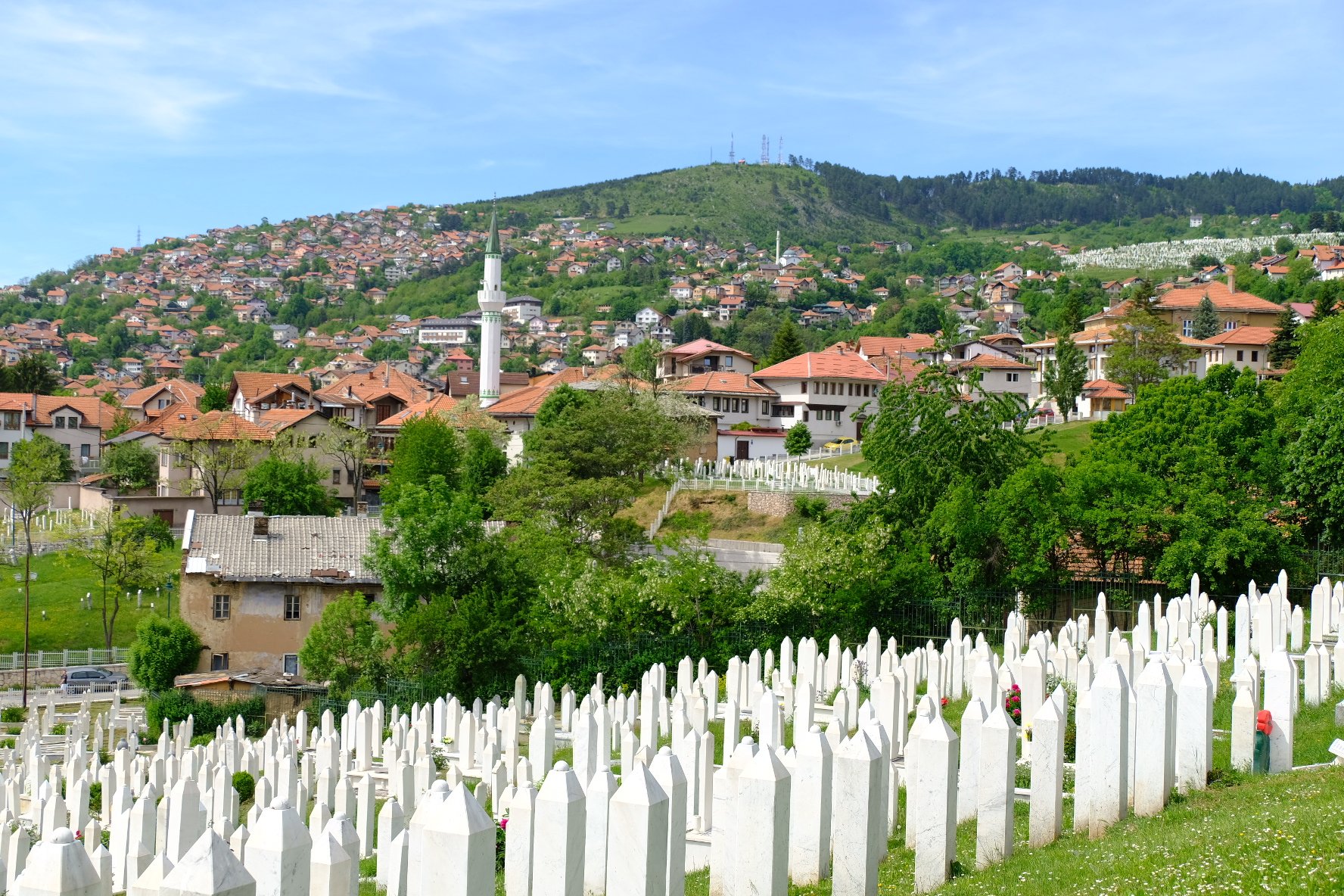
The prevalence of transgenerational trauma in Bosnia and Herzegovina is not well understood or communicated. The older generations, who lived through and survived the war, never received the help needed to heal from that trauma, and this results in mental health issues for the country’s youth that are made even worse by the persistence of ethnically-biased and conflicting narratives. This is all why our intern in Sarajevo is learning from and working with a local organization called Progres as part of her internship with us. Keep reading for more about what she’s learning.

I am guessing there is a person in your surroundings with whom you do not agree and share the same values. If you are unable to speak to that person, I invite you to imagine walking in their shoes. Imagine spending one day as that person. Think about their life, their struggle, their way of seeing the world. What makes that person unavailable to you? And what makes them relatable?

In a world rife with conflict and division, peacebuilding is a felt need in our families, communities, and wider society. Traditional approaches to conflict resolution often focused on political strategies and the most visible leaders, but there’s a growing awareness that sustainable peace requires a more holistic approach that involves everyday people like you and me. One innovative approach that we are leaning into at Peace Catalyst is the idea of a “peacebuilding learning pilgrimage” that includes active local participation. This transformative experience combines groups of foreign and local participants who learn from local peacebuilding practitioners about challenges and successes in their peace work. By including and valuing the voices of local participants, this approach empowers local populations in conflict-affected zones like Bosnia & Herzegovina (BiH) while simultaneously creating a lasting impact on participants from foreign countries.
