As we prepare to celebrate the birth of Jesus, we rejoice in proclaiming the Prince of Peace. Yet at times the centrality of peace as a theme at Christmas can feel distant from the world we live in. From armed conflict to family strife to internal turmoil, no matter how much we may love peace it can feel like just a far off ideal. In a recent sermon about the Prince of Peace, Pastor Steve Grusendorf of Princeton Alliance Church in New Jersey provides a very helpful introduction to how Jesus bridges this gap.
Pastor Grusendorf explains how we can cross the bridge Jesus offers us by allowing him fully into our lives and moving, step by step, toward embracing the peace which the Prince of Peace is so eager for us to experience and share. His sermon focuses on Isaiah 9 and Ephesians 2.
In particular, emphasizes Pastor Grusendorf, in order to move beyond seeing peace as "a cute slogan for Christmas cards," we need to understand that, "Shalom," the Hebrew word for peace, "is an important word in the Old Testament...Really Shalom represents relationships as they were always intended to be - relationships unadulterated, pure, and in the right form."
"Peace," he explains, "doesn't have to be relegated to Christmas cards. Jesus is the Prince of Peace because He desires to help us restore relationships through forgiveness so that we can experience Shalom." And not just that. But as Pastor Grusendorf emphasizes, "The Prince's peace is always meant to be shared."
A video of the sermon is available at this link.
Jennifer S. Bryson, Ph.D., is Director of the Islam and Civil Society Project at the Witherspoon Institute in Princeton, NJ and she serves on the Board of Directors of Peace Catalyst International.

I hope these short and simple journal entries can help you better understand or better communicate to other audiences the mission of peacebuilding while offering a glimpse into PCI’s work in Bosnia and Herzegovina.

What if we reimagine peacebuilding as a spiritual practice that we implement in our ordinary lives? If we see it as a Christian discipline to be lived out, as a natural response to our love for God, a direct action stemming from our love of neighbor?

In this work, I’ve seen how a shared meal can become a foretaste of the Great Feast Jesus spoke of. A table becomes a space where walls come down and the Kingdom comes near. In a broken world, breaking bread together becomes a revolutionary act. It’s a way of bearing witness to God’s love, awakening to the possibilities of reconciliation, and empowering others to join in the work of peace.

“Making peace,” “resolving conflict,” “building bridges” – whatever you want to call it – is by definition hard. It’s challenging and uncomfortable. There is no way around this. because if it wasn’t, then the conflict wouldn’t exist and the work wouldn’t need to be done. But evidence from psychologists, neuroscientists, professors, and religious leaders point to the fact that doing hard things is good.
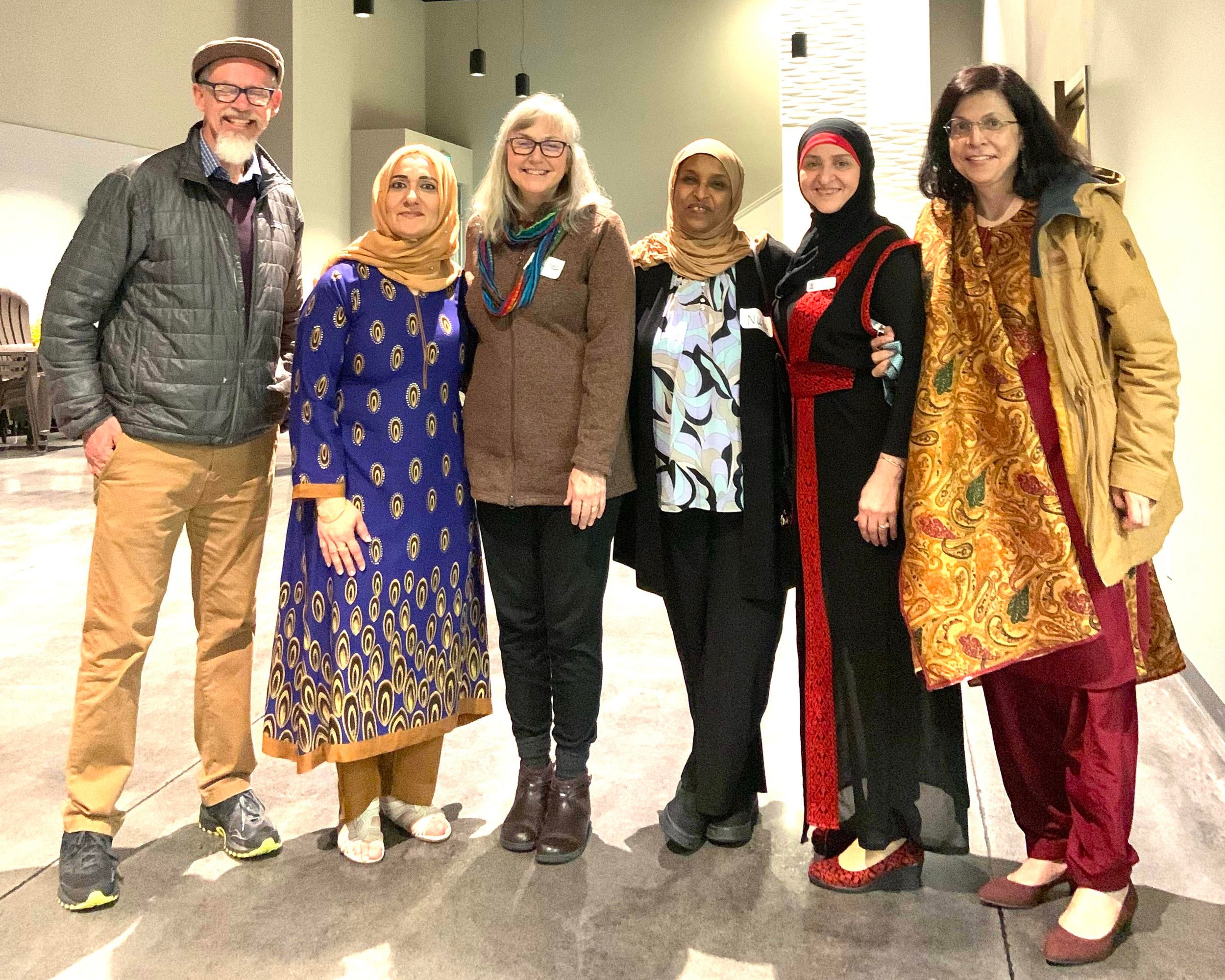
A few questions that we keep getting have to do with the relationship between peacebuilding and Christian witness. Is peacebuilding supposed to lead to witness? Does Christian witness simply not matter in light of so much division and conflict? What is Christian witness? Is it mainly about expressing religious convictions through our words? Or is it about serving as a living example of one’s faith? Read on to see our answers.

At Peace Catalyst, we’re working to equip and mobilize Christians for collaborative peacebuilding across lines of difference. In light of today’s hyperdiversity, church decline, and polarization, the need for a holistic, healing-oriented framework at a popular level among local pastors and their congregations has never been greater. With a shalom-centered theological framework and PCI’s peacebuilding toolkits, congregations have the opportunity to both reconstruct their faith in ways that fit with their core faith priorities and values and to collaborate with their diverse neighbors on issues that affect all of society.

In a world rife with conflict and division, peacebuilding is a felt need in our families, communities, and wider society. Traditional approaches to conflict resolution often focused on political strategies and the most visible leaders, but there’s a growing awareness that sustainable peace requires a more holistic approach that involves everyday people like you and me. One innovative approach that we are leaning into at Peace Catalyst is the idea of a “peacebuilding learning pilgrimage” that includes active local participation. This transformative experience combines groups of foreign and local participants who learn from local peacebuilding practitioners about challenges and successes in their peace work. By including and valuing the voices of local participants, this approach empowers local populations in conflict-affected zones like Bosnia & Herzegovina (BiH) while simultaneously creating a lasting impact on participants from foreign countries.

“Peacebuilding is not an elective that you can choose from your church’s course offerings; it is the essence of our calling as Christians and the motivator for all we do.” That feedback was one of many incredible responses we got from our last 6-week online small group: “Introduction to Christian Peacebuilding,” and we have another group coming up in September. Read what others are saying about it, and join us for the next one!

Last month, the Slovakia Missions Network invited me to lead two workshops to introduce peacebuilding and how it relates to God’s mission and how Christians understand the Good News and witness. Since so much of my work with Peace Catalyst is to help Christians catch a vision for God’s shalom vision and peacebuilding mission, I was very excited to see how these ideas might connect more broadly with others in Eastern Europe.

How do we kindle the compassionate desire to love and serve our neighbors, while also learning that loving them means transformig the underlying conditions and conflicts causing harm? Learn about Peace Catalyst’s three-fold approach to community peacebuilding.