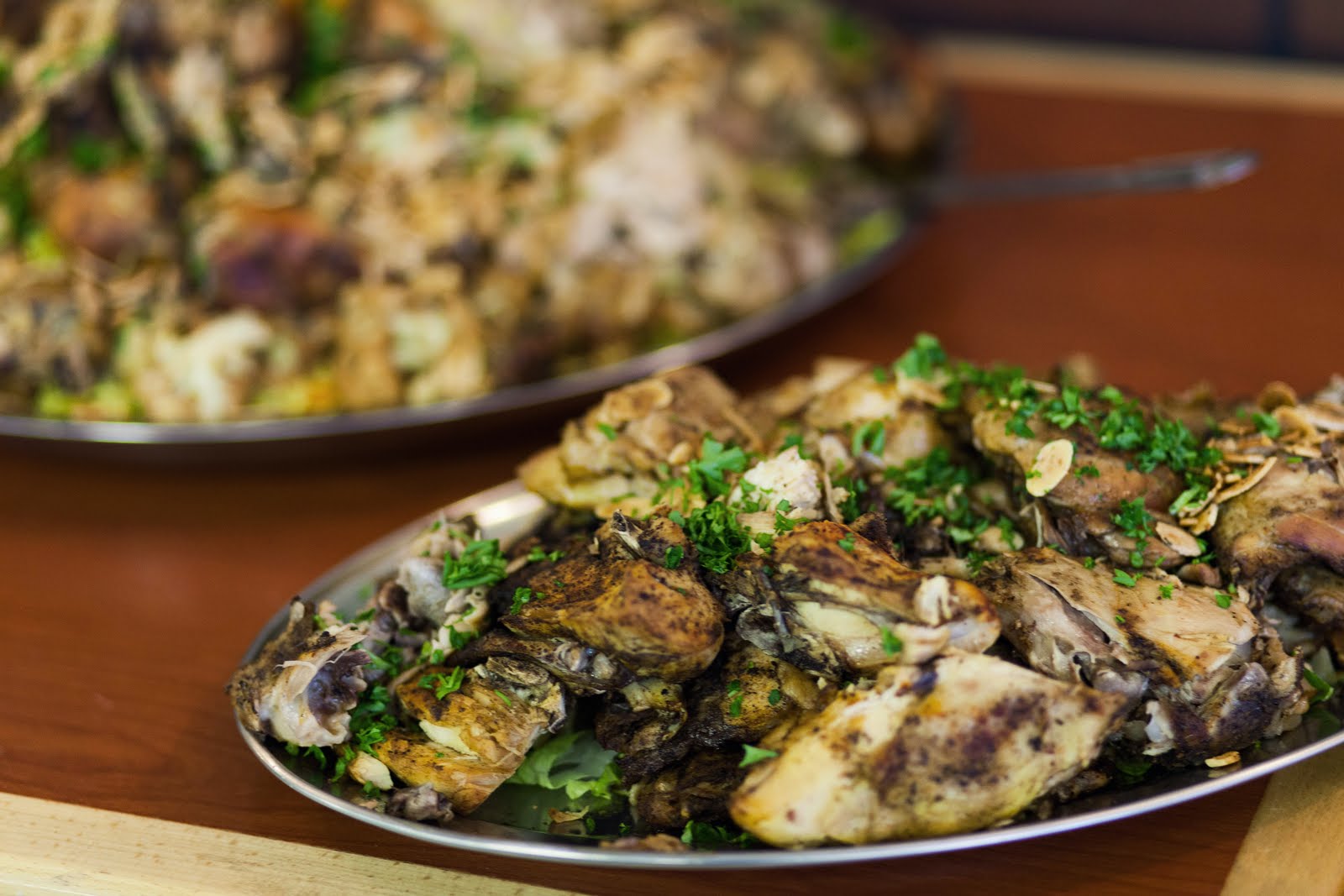
Peace Catalyst International exists to ignite local movements of Christians and Muslims (and others!) living together in peace and working together towards peace. To this end, our Muslim friends have graciously invited us to join them in fasting, praying, and eating together during one of their most holy times: Ramadan.
WHY RAMADAN?
Ramadan is one of the most important and holy seasons within the Islamic faith, during which Muslims around the world observe strict fasting from sunrise to sunset. Each Muslim who has reached puberty and is in good health is encouraged to fast. The sick and elderly, along with travelers, pregnant women, and those who are nursing are exempt - although they sometimes opt to make up for the missed fast days sometime in the future or help feed the poor. The first pre-dawn meal of the day during Ramadan is called suhoor. Each day’s fast is broken at sunset with a meal known as iftar.
PARTICIPATE WITH US!
Our friends have invited us to join them for Iftar dinners, and we'd love for you to be there. Throughout the month of June you can join us for an Iftar dinner with our Muslim friends in a few cities. Click here for more info and to tell us you're interested!

Verbal insults, controversial statements, and hateful speech can be understood as symptoms of an ongoing war: a war fought within people’s minds. It spreads like a plague, transmitted through conversations, storytelling and insults, rooted in the political narratives. Those who absorb these narratives often do not realize that they themselves are victims. Victims of a hostility-inducing environment, which shapes their worldview and burdens their daily life with disturbing emotions.
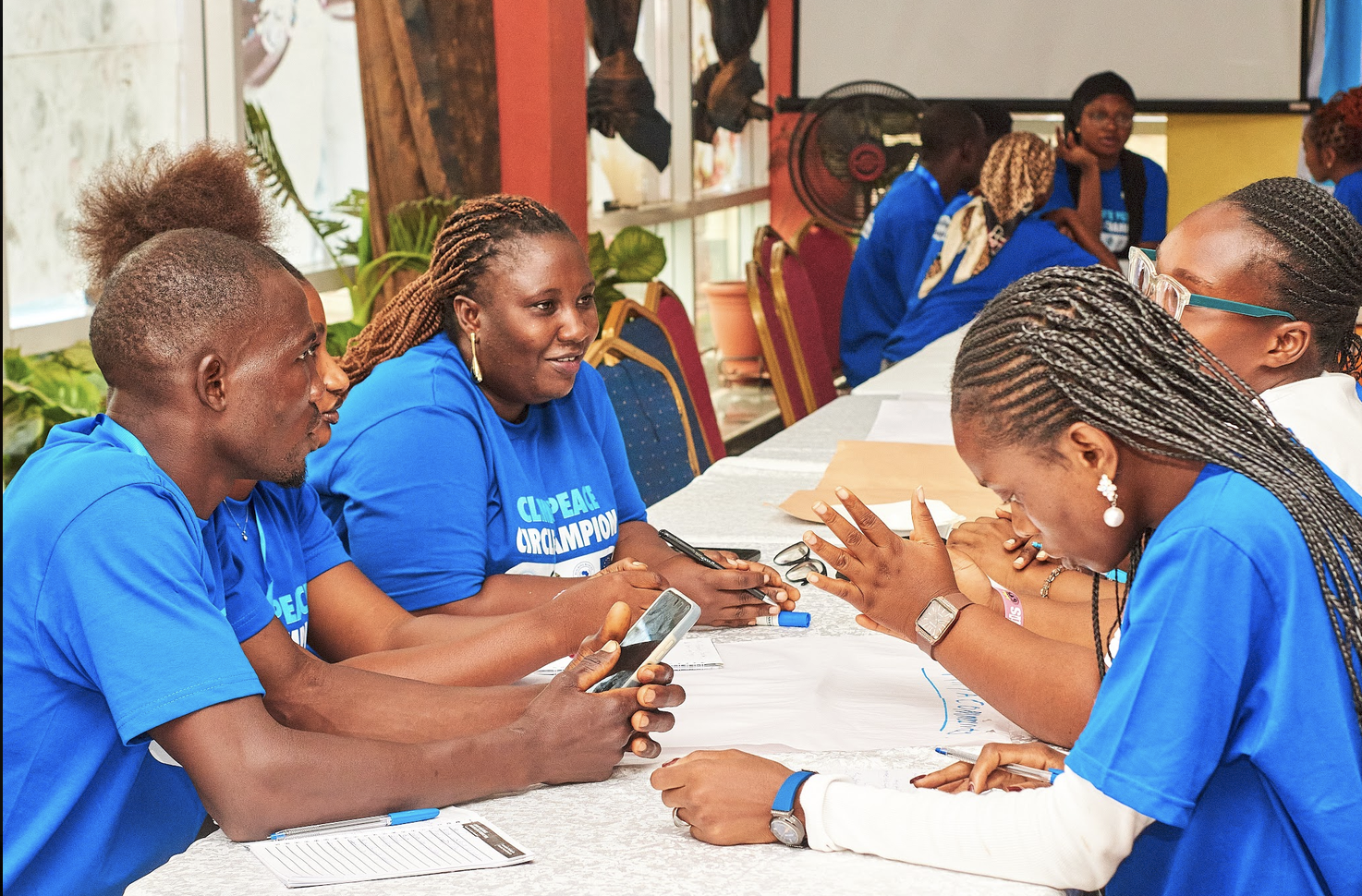
Climate change is increasingly experienced through its effects on livelihoods, access to resources, infrastructure, health, social relationships, and human security. Yet discussions around Climate, Peace and Security can often remain at the level of policy institutions and technical experts. The Climate Peace Circle (CPC) approach starts from a different premise: communities themselves have important knowledge about the risks they experience and should have meaningful opportunities to participate in understanding, discussing and responding to them.

While countries resist welcoming immigrants, going so far as establishing detention centers and deporting people to other locations, biblical teachings show Christians must oppose such harsh policies.

Wendell Berry died this week, and I find myself returning again to one of his poems I have loved for years, The Peace of Wild Things. The wild things can return us to a different rhythm, a peace that does not require us to deny what is happening around us. Perhaps they remind us that stillness itself can be a form of resistance to a world determined to keep us anxious, reactive, distracted, and afraid.
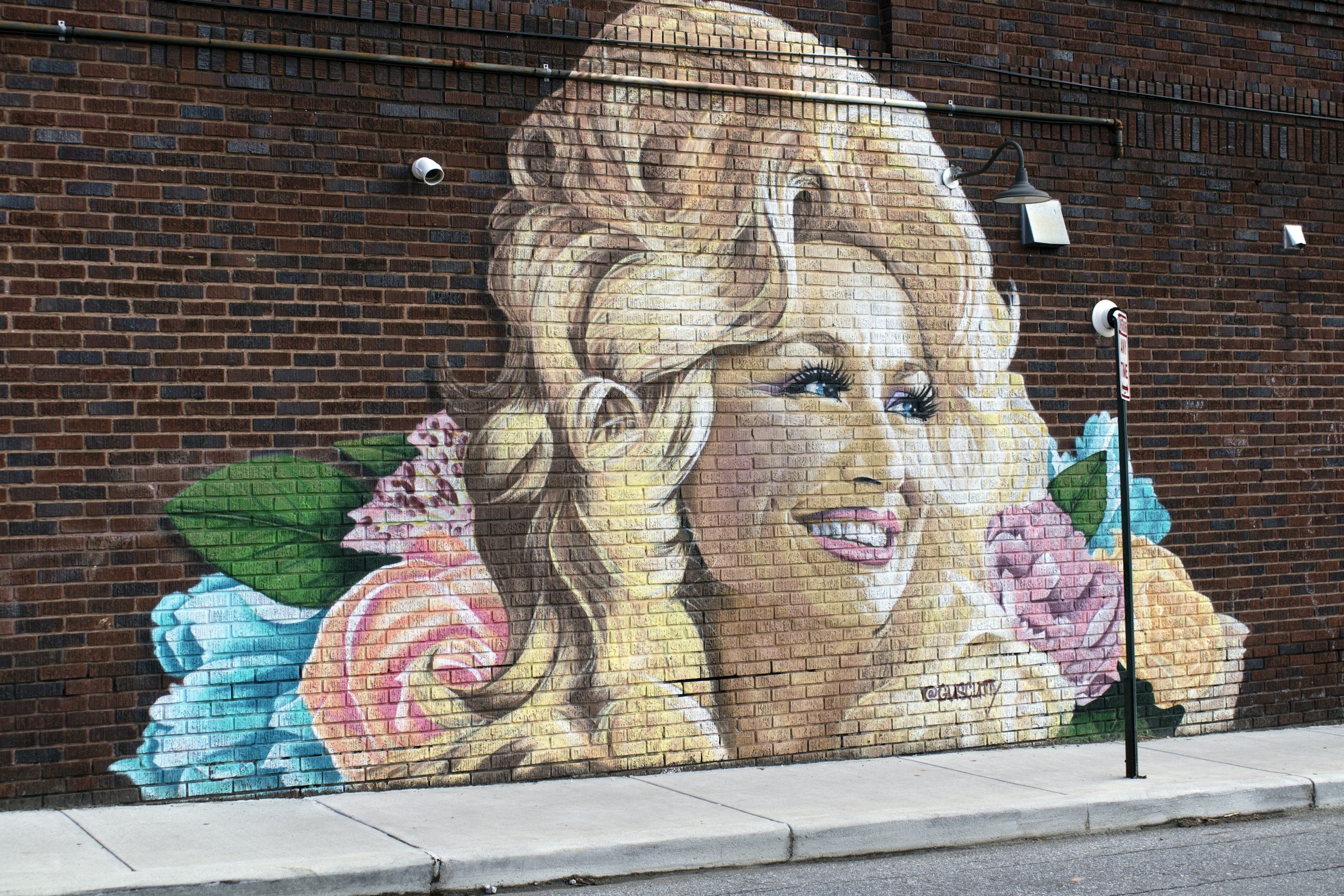
The lives we live and the legacies we leave behind. Reflections on the passing of Dolly Parton, Tim Curry, and Ratko Mladić.
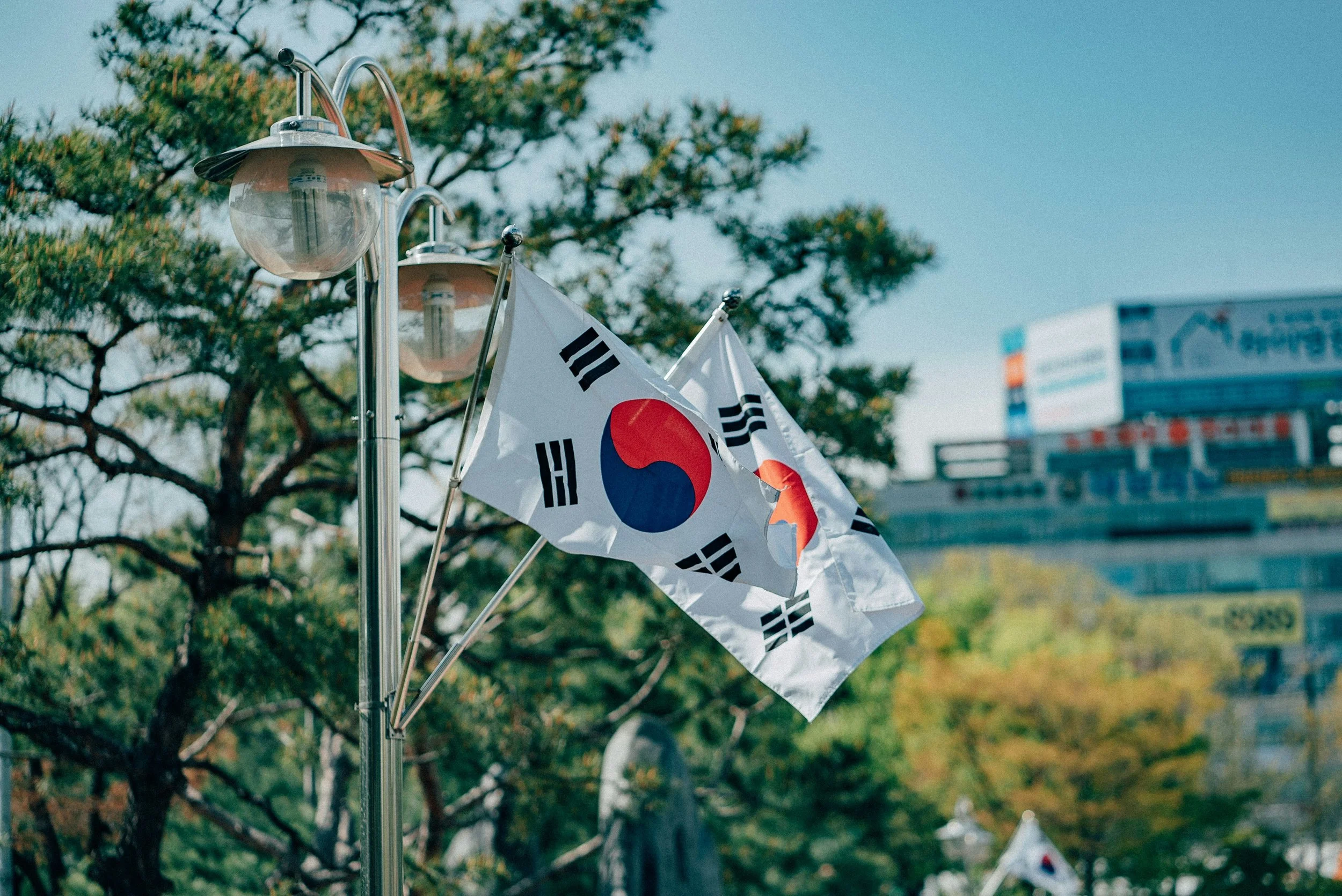
On Sunday, August 16th, US President Donald Trump announced that he had ordered the Department of War to reduce the joint military exercises (between the US and South Korean militaries) on the Korean Peninsula. I’d like to give some nuance to this situation, because whatever Trump’s motives, this public statement creates a small window of opportunity to open peace talks to end the Korean War.
Few words in the Christian vocabulary have been more distorted, weaponized, or misunderstood than “forgiveness.” In many church and societal contexts, forgiveness is asked from those who have been harmed—often quickly, publicly, and in ways that protect the comfort of the powerful and keep the oppressed in place. We need a liberative, trauma-informed, and biblical reimagining of forgiveness—one that centers survivors, breaks cycles of harm, and refuses to be co-opted by oppressive systems. Here’s what we think that looks like.
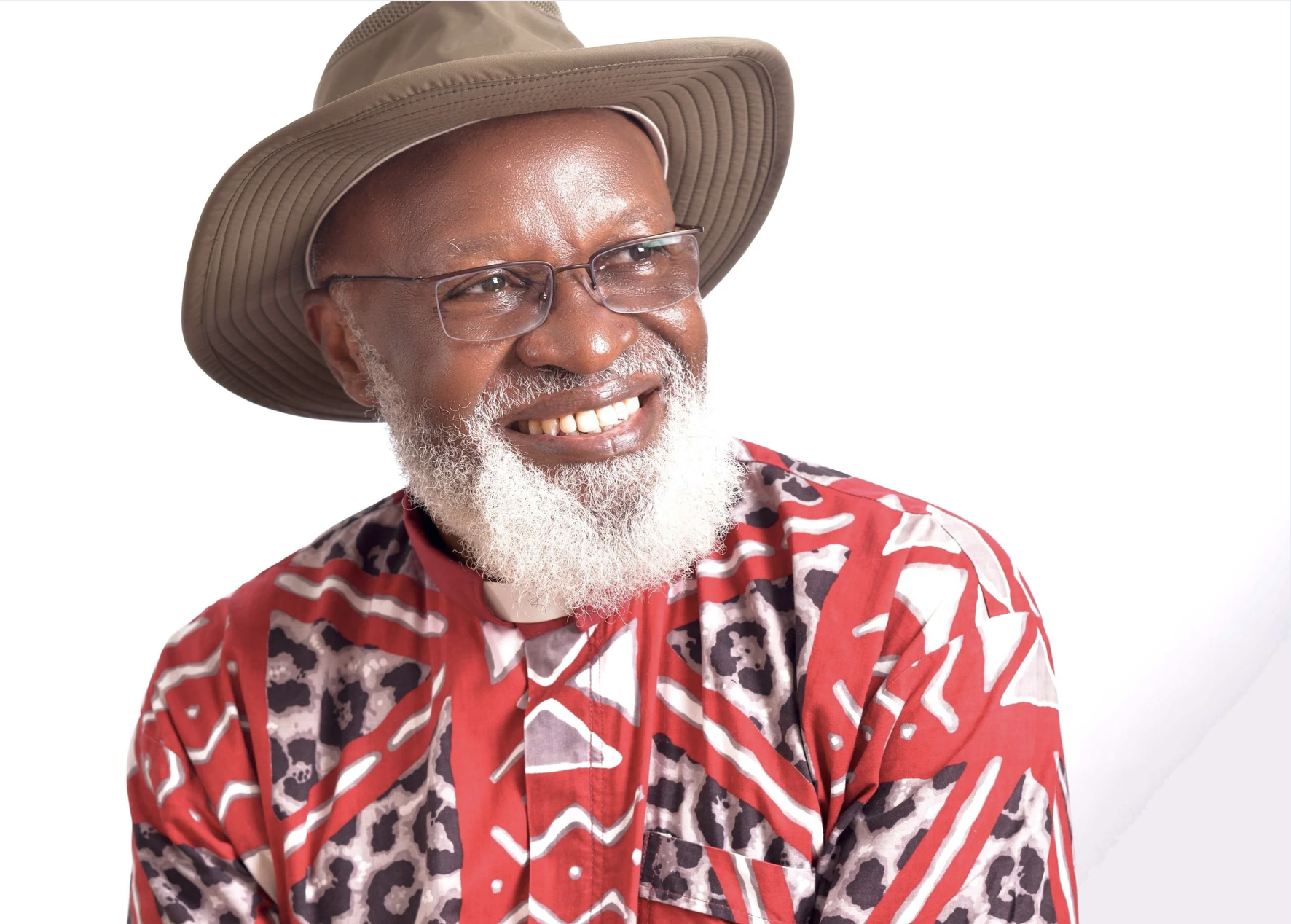
The following is a reflection by Bryan Carey, building on a conversation with Bishop Zac Niringiye. Bishop Zac is a Ugandan theologian and retired Anglican bishop whose decades of ministry, theological leadership, and public advocacy have made him a respected global voice on faith, justice, and the church’s public witness. His work challenges the church to embody the gospel through justice, humility, and solidarity rather than power and control.
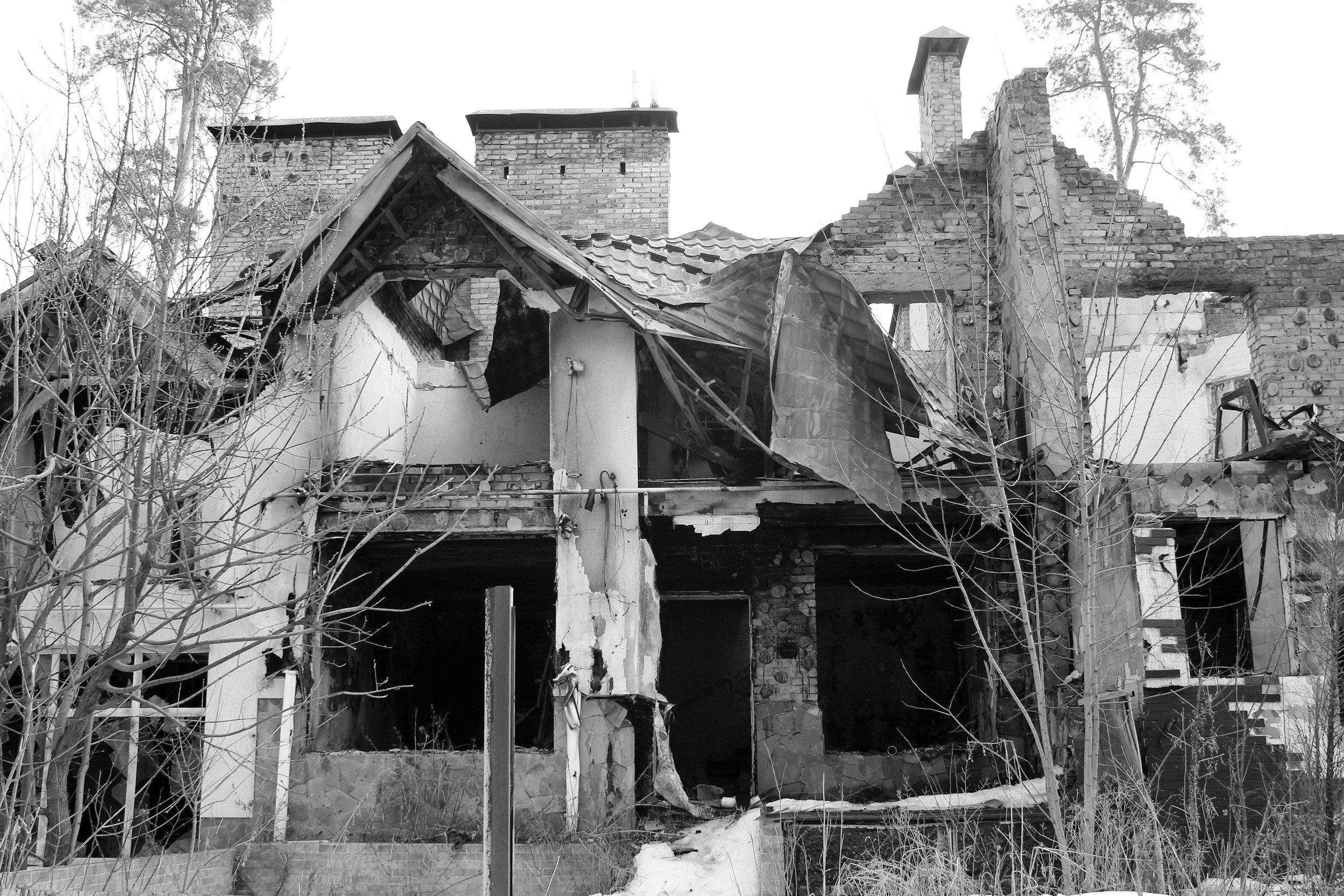
Uganda is in crisis, and the world needs to pay attention. In this blog, an East African researcher and friend of Peace Catalyst discusses Uganda’s situation and what democracies around the world must learn from Uganda before it’s too late.
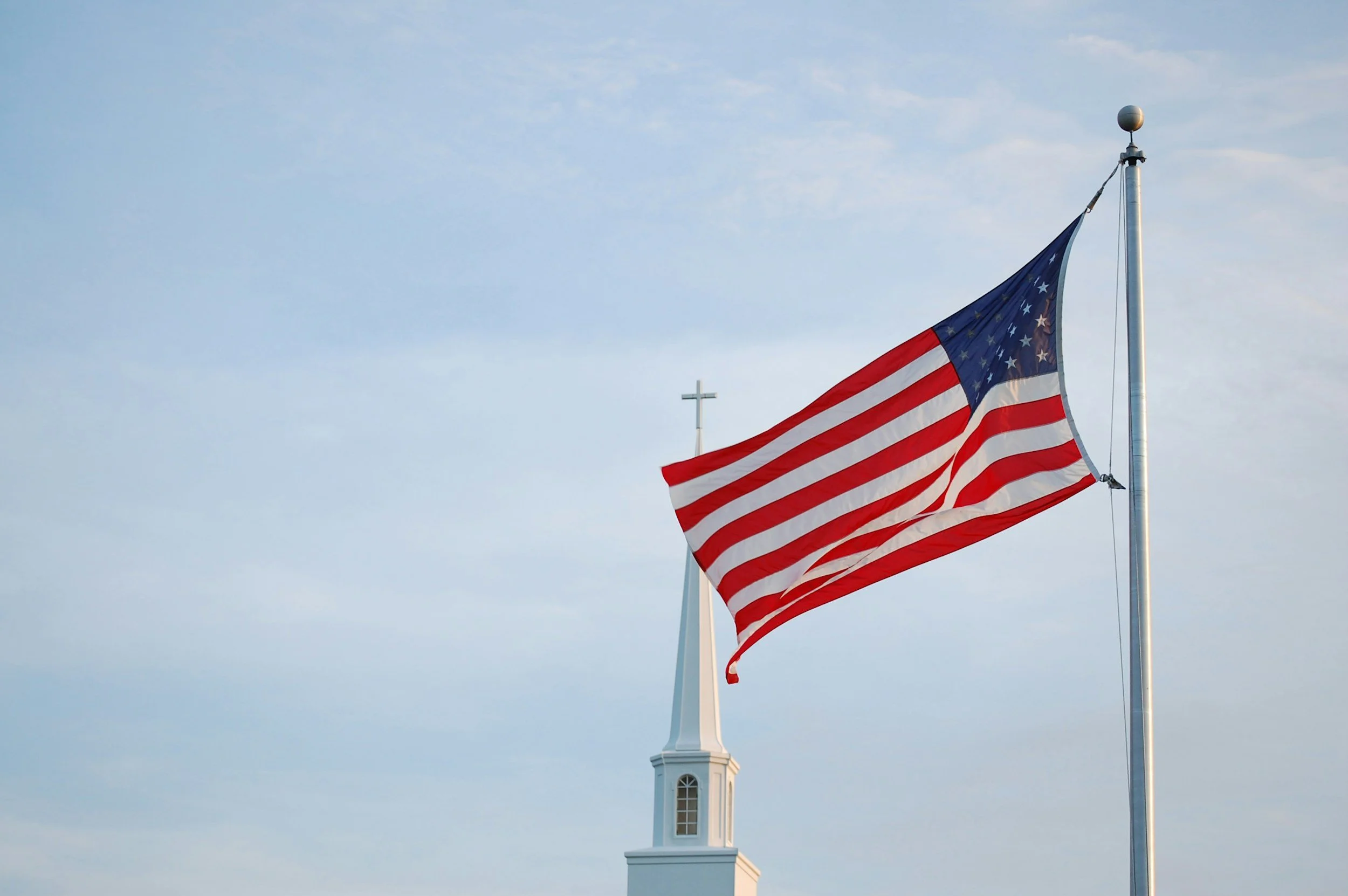
The argument for nonviolence needs to come from people who know what violence actually costs, not just from scholars who've read about it. Veterans need to be the primary voices calling the church to account. So here’s what I think the church actually owes to veterans and others, and what it looks like for the church to repent.